
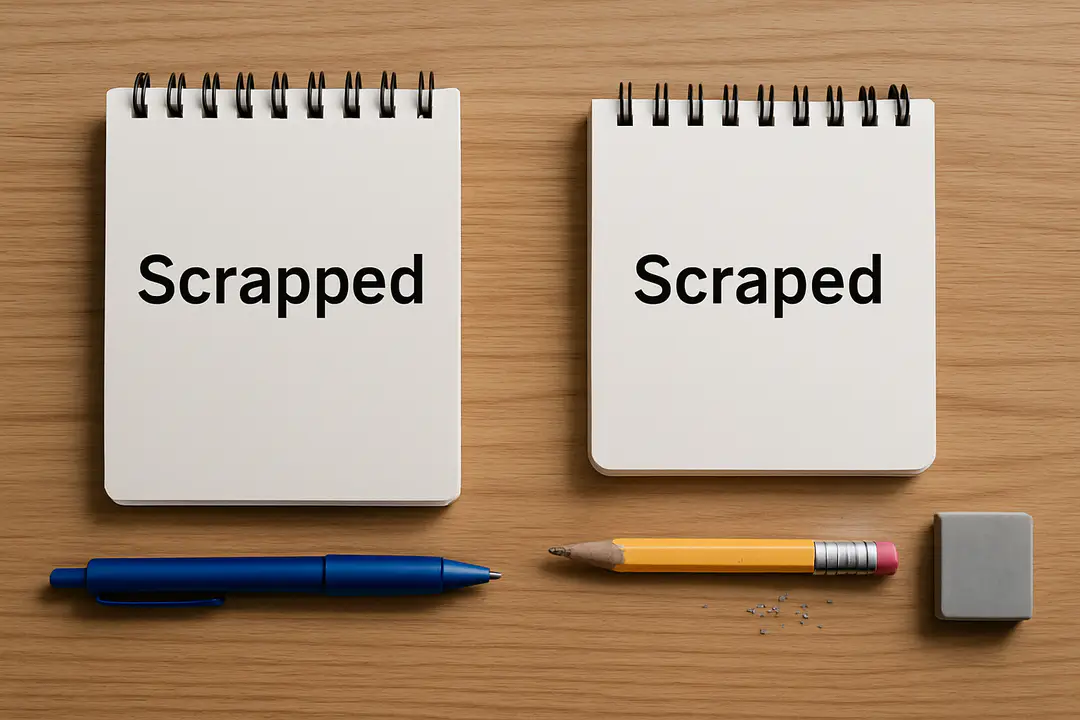

Have you ever noticed how similar words can cause big headaches when writing? One such pair is scrapped and scraped. Though they look alike, they serve very different purposes. Many writers often skip the small distinction. What simply tipping of letters can mean in a sentence leaves people puzzled and second-guessing their choice?
It all comes down to understanding how last letters change meaning. By knowing when to choose scrapped over scraped, you nail your message and avoid confusion. This clarity improves how readers see your text. You can write with more confidence and precision. Isn’t it worth a quick grammar check to skip the guesswork?
Common Misunderstanding
One of the biggest reasons people choose the wrong word is they sound alike. Both appear in writing and look only different by one letter. Scraped with one P refers to removing a thin layer or catching data. Scrapped with double P means discarding or canceling a plan. When you see news saying a project was scrapped, they did abandon it.
But if you read a chef scraped the skin off a carrot, they removed the thin layer. Writers often mix these up because they think it’s sound-based. They assume scrapped and scraped have the same sound. But the meaning hinges on a simple spelling shift. Overlooking that can lead to errors in business reports, recipes, or code comments.
For example, in software engineering, scraped data is data extracted from something. This ties in with web scraping, the process of pulling content from a webpage. If someone writes we scrapped data, it suggests data was disposed of. That reads wrong. It feels odd to scrap data, unless you throw it away.
To see how widespread the mix-up is, glance at common search terms related to similar word pairs. You’ll find queries like usage vs useage and even exception vs exemption. These show how small spelling signals big meaning. By spotting this confusion early, you can adjust your writing habits. It takes a moment but saves you from appearing careless.
Beyond simple definitions, think about how context clues shape our choice. When reading a sentence, ask: am I talking about removing, collecting, or canceling? This small mental step makes a big difference.
Historical Origins
Understanding scrapped and scraped means tracing them back to their roots. The noun scrap comes from Old Norse skrap, meaning small pieces or shavings. Over centuries, this form crossed into Middle English. Early shipping logs from the 1600s listed ship scrap sold for melting down. By the 19th century, scrapping had taken on the sense of discarding entire ships or canceling events. In newspapers of the era, writers reported that a seaside fair was scrapped after a storm.
Meanwhile, scrape has a different pedigree. It stems from the Middle English word scraipien, linked to Germanic roots describing the action of rubbing or shaving off thin layers. Medieval cookbooks from around 1450 instruct cooks to scrape vegetables to remove skins. Leatherworking manuals from the 1500s detail how to scrape hides before tanning. From these trade records, scraped settled as the past tense for that specific physical action.
With print technology, the spellings solidified. The London Gazette in 1800 noted that a royal regatta was scrapped, meaning canceled. At the same time, scientific journals described scraped samples under microscopes. Lab technicians scraped cells from a growth plate and noted their methods in formal reports. These consistent uses helped readers learn which form matched which action.
Fast forward to modern times and digital archives, and the two terms remain distinct. Scraped data underpins many automation tools and AI projects today. Meanwhile, if an event is scrapped, it means organizers canceled it. This clear split in meaning shows the power of historical usage.
Just as grammar guides clear up pairings like nosy or nosey, knowing the origin story of scrapped and scraped makes your writing precise.
Grammar Rules Guide
The simple rule is that scraped with one p is the past tense of to scrape. Scrapped with two p’s comes from the verb to scrap. One deals with removal or extraction. The other deals with discarding or canceling. You can use a quick table to see this clearly.
| Word | Meaning | Origin Verb | Example |
|---|---|---|---|
| Scraped | Removed thin layer or collected | Scrape | She scraped the paint off the wall. |
| Scrapped | Discarded or canceled | Scrap | The company scrapped the prototype. |
Beyond just these two words, English has many past tense verbs that follow regular patterns. For example, like scraped, we have jumped, laughed, and planted. And like scrapped, we have clapped (from clap) and stopped. Recognizing these patterns can improve your spelling across the board. When you see a doubled final consonant in a past tense verb, it often signals a short vowel sound before it.
If you ever get confused while writing, apply two quick checks. First, read the sentence for context clues. Are you talking about removing, digging, or collecting? If yes, use scraped. Second, ask if you are canceling a plan, discarding an item, or rejecting an idea. If so, use scrapped. These checks serve as a writing playbook for future drafts.
Also keep in mind the pronunciation difference. Even though they sound almost identical, paying attention to p counts on paper helps keep your meaning clear. This technique works for many words that differ by a single letter. With regular practice, you’ll write with confidence.
Usage in Sentences
Examples show the words in real contexts. Read through these sentences to see which form fits best.
- The renovation crew scraped old wallpaper off the living room walls.
- Due to budget cuts, the festival was scrapped at the last minute.
- He scraped the frost from his car windshield before driving to work.
- After losing fuel, the airline scrapped its evening flights.
- The archaeologist scraped soil gently from ancient pottery.
- The board scrapped the merger proposal after reviewing the risks.
Notice how the first word in each pair deals with removal or collection. The second word always refers to a decision to stop or cancel. Reading these aloud also helps reinforce the meaning difference. Over time, seeing them in context builds a mental rulebook you can trust.
When writing your own sentences, follow a simple approach. First, draft your idea. Next, circle the action word and double-check the meaning. Finally, pick the correct term. This small habit saves major editing time and avoids awkward revisions later.
Take a moment to reread any previous emails, reports, or social posts where you may have used one of these words incorrectly. By correcting past mistakes and noting them, your brain wires the right pattern. Tools like spell checkers might not always catch a scrapped vs scraped typo because both are valid words. So your own review beats automated checks.
Tech vs Practical
In tech circles, scraped is common jargon. Developers write scripts that scrape web pages. Web scraping tools fetch product details, pricing, or reviews. When you read an article about scraping data, remember that scraped always has one p.
On the flip side, scrapped appears in manufacturing or project management. Factories scrap faulty parts. Project plans can be scrapped if budgets run dry. This practical use shows up in daily operations. That usage differs entirely from digital data pulling.
Consider a startup building an app. Engineers may scrape data from public APIs to fill their database. Later, the sales team might scrap a feature if adoption lags. Two teams. Two very different meanings. Fresh writers can trip over this if they switch between coding and business documents.
This dual life of the words highlights how context matters. Rigorous writers will note their audience and intent. If your team works in both tech and operations, share a quick style guide. That sheet can list items like “scrape vs scrap” to maintain consistency and avoid misunderstandings.
Another practical tip is labeling code comments. When adding notes in a script, write “data scraped from source” not “data scrapped”. This small habit builds clearer logs. Over time, such discipline supports smoother teamwork and fewer bug reports related to misunderstood comments.
Similarly, other mixed pairs can cause confusion in business writing. Just like the exception vs exemption conundrum, clarity on scrapped vs scraped keeps reports sharp. Encouraging team members to refer to a shared reference limits needless edits and misunderstandings.
Tips to Remember
Make remembering easier with a few simple tips. Think of scraped as one “p” because you scrape paint, ice, or data off something. Imagine the tool touching a surface once.
Conversely, picture scrapped as two “p” because you put something in the scrap pile or pump the brakes on a plan. The double p reminds you of passing something to the trash.
Flashcards can work if you often forget. Write scraped on one side with a scraping action sketch. On the reverse, draw a discarded box for scrapped. Visual cues stick in your mind.
You can also set a keyboard shortcut or text expansion for each term if you use them frequently. This trick auto-corrects your drafts before you even think about it.
Reading out loud is another strong hack. When you say “I scraped the floor” vs “I scrapped the floor”, the sound may not change much. But the action behind the words shifts. Paying attention to that mental image helps lock in the spelling mentally.
Review your work as a final pass with fresh eyes. Skim only the scr* words across your document. A quick glance can catch an extra p or a missing p. That focused check takes seconds yet prevents confusion in your final draft.
Conclusion
Choosing between scrapped and scraped comes down to clarity. One letter changes the focus from removal to discard. By reviewing the definitions and context clues, you sharpen your writing skill. From historical origins to modern tech use, the distinction holds strong. Applying simple tips like flashcards, style guides, or read-aloud checks ensures you pick the right term each time. Take a moment now to scan your recent messages for scrapped or scraped and correct any slips you find.
As you write reports, code comments, or everyday notes, keep these lessons close. A quick mental checklist or customized text expansion can prevent mix-ups. Remember, clear language builds trust and shows attention to detail. Accurate word choice may seem small but has a big impact. Now that you know the scrapped vs scraped usage difference, put these techniques into practice and let your writing shine with confidence.


