
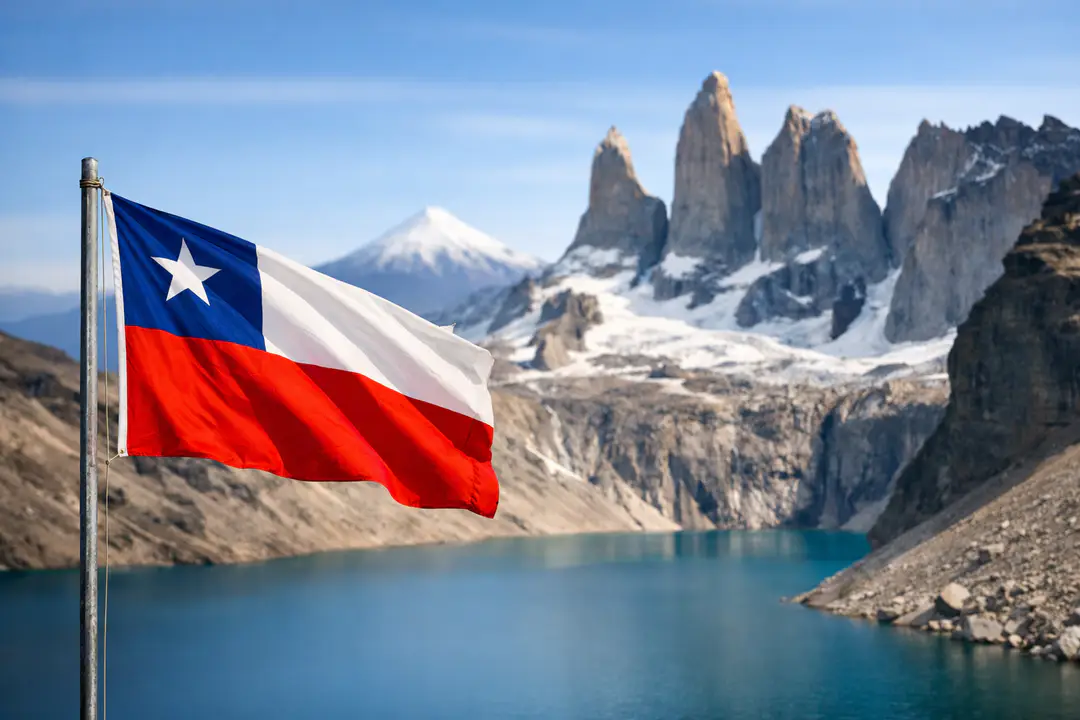

You can land in Santiago under bright city lights, sip a crisp Sauvignon Blanc in a coastal valley the next day, and—within the same week—stand under a sky so clear it looks unreal in the Atacama Desert. Chile has that rare ability to feel like several countries stitched into one long ribbon: desert, glaciers, wine country, volcanoes, surf towns, and vibrant cities, all connected by a surprisingly solid travel network.
That variety is exactly why planning matters. Chile’s distances are enormous, seasons flip as you move north to south, and some of the most memorable places (Patagonia, Easter Island/Rapa Nui, remote national parks) require reservations, buffer days, and a realistic budget. A little structure upfront prevents a trip that’s spent rushing through airports or stuck without lodging.
This comprehensive travel guide to Chile walks you through the fundamentals—when to go, where to focus, how to move around, what to budget, and how to stay safe and comfortable. You’ll also find itinerary ideas, regional highlights, practical packing advice, and common mistakes travelers make (so you can avoid them). The goal: help you build a trip that feels ambitious, but still relaxed and doable.
What Is a Travel Guide to Chile? An Overview
A travel guide to Chile is more than a list of attractions. At its best, it’s a planning framework for a country defined by extremes: Chile stretches over 4,300 km (about 2,670 miles) from north to south, yet is often only a few hundred kilometers wide. That geography shapes everything—climate, transportation, costs, and the time you’ll need to travel between regions.
In practical terms, a good guide helps you match your interests to the right regions and seasons. Want otherworldly landscapes and stargazing? Prioritize the Atacama (dry and high altitude). Dreaming of iconic hikes? Patagonia’s Torres del Paine has short summer windows and high demand. Interested in food and wine? Central Chile’s valleys and the coast are easy to combine with Santiago and Valparaíso.
Key concepts to understand before you book:
- Chile is long-distance travel: internal flights can be time-savers, while buses are excellent for medium distances.
- Seasonality matters: Patagonia is best in austral summer; ski season peaks in winter; the north stays relatively accessible year-round.
- Reservations can be essential: especially for Patagonia circuits, popular lodges, and some park entrances.
- Microclimates are real: coastal fog, high-altitude sun, and sudden mountain weather changes are common.
With that foundation, you can plan a trip that fits your timeline and budget—without trying to “see it all” in one go.
Understanding Chile’s Regions (and What to Prioritize)
Chile becomes easier to plan when you think in regions rather than cities. Each zone has a distinct character and travel rhythm, and trying to combine too many in one trip is the fastest way to spend your vacation in transit. A strong rule of thumb is to choose two major regions for a 10–14 day trip, or three regions if you have 3+ weeks and you’re comfortable flying internally.
Northern Chile: Atacama and the High Andes
The north is defined by altitude, salt flats, geothermal fields, and some of the world’s clearest skies. San Pedro de Atacama is the classic base for day trips to Valle de la Luna, El Tatio geysers, and high-altitude lagoons. Expect early mornings, strong sun, and big temperature swings between day and night.
Practical tip: build in a light first day to acclimatize. Many excursions go above 4,000 m (13,000 ft), and travelers who over-schedule can end up with headaches, nausea, or simply a miserable day.
Central Chile: Santiago, Valparaíso, and Wine Valleys
This is Chile’s most accessible region for first-timers. Santiago offers museums, markets, and neighborhoods like Lastarria and Bellavista, plus easy day trips into the Andes. Valparaíso brings street art, hillside funiculars, and a creative port-city atmosphere. Nearby wine valleys—Casablanca, Maipo, Colchagua—make it simple to add vineyard visits and tastings.
Common mistake: treating Valparaíso as a quick stop. It’s more rewarding with at least one overnight, so you can explore early and late when day-trippers are gone.
Lake District and Araucanía: Volcanoes, Forests, and Hot Springs
South of Santiago, landscapes shift to green forests, lakes, and snow-capped volcanoes. Bases like Puerto Varas and Pucón are great for hiking, kayaking, rafting, and soaking in termas (hot springs). Weather changes quickly here; carry a rain layer even in summer.
Patagonia: Torres del Paine and Beyond
Patagonia is the headline act for many travelers—glacial lakes, granite towers, and wind that humbles even experienced hikers. Torres del Paine is the iconic centerpiece, but don’t ignore places like Punta Arenas, Puerto Natales, and—if time allows—Chilean Fjords cruising routes.
Tip: Patagonia rewards patience. Add buffer days for weather, and don’t plan tight flight connections on big hiking days.
When to Go: Seasons, Weather, and Crowd Strategy
Chile’s best time to visit depends on where you’re going. Because the country spans so far, you can’t rely on a single “perfect month.” Instead, choose a season based on the region you care about most and accept that another region may be slightly off-peak. Smart travelers use shoulder seasons to balance weather with fewer crowds and better prices.
Quick seasonal guide (by region)
| Region | Best months | What to expect |
|---|---|---|
| Atacama (San Pedro) | Mar–May, Sep–Nov | Clear skies, manageable temps; nights still cold |
| Santiago + Coast | Oct–Apr | Warm, dry summers; coastal mornings can be cool/foggy |
| Wine Valleys | Mar–Apr (harvest), Nov–Dec | Harvest energy in fall; spring is green and quieter |
| Lake District | Dec–Mar | Best hiking window; still pack rain gear |
| Patagonia (TdP) | Dec–Mar | Peak season; long daylight; strong winds common |
| Ski (Andes near Santiago) | Jun–Sep | Snow-dependent; weekends get busy |
How to avoid crowds without sacrificing the trip
If Patagonia is your priority but you dislike peak crowds, target late November or late March. You’ll still get long daylight and open trails, with slightly lower prices and fewer groups. For Atacama, avoid mid-summer heat by traveling in spring or fall; you’ll still get phenomenal stargazing conditions.
A helpful planning habit is to build your trip around two “anchor” experiences (like the W Trek and Atacama lagoons), then fill in cities and rest days around them. When mapping those transport and recovery days, it can help to review a few simple comfort-focused travel habits that make long bus rides and multi-stop itineraries feel much easier.
Common mistake: Underestimating sun and wind
At high altitude the sun can be harsh even on cool days, and Patagonia’s wind can make a mild temperature feel cold fast. Pack sun protection year-round and a windproof layer if you’re going south.
Building Your Itinerary: Smart Routes for 7–21 Days
The best Chile itineraries respect distance and recovery. A plan that looks efficient on a map can be exhausting in reality—especially if you stack early flights, high-altitude tours, and long hikes back-to-back. Below are proven route structures that work for most travelers, plus guidance on where to slow down.
7–9 days: Santiago + Coast + Wine (low transit, high variety)
- Days 1–3: Santiago (neighborhoods, markets, Cerro San Cristóbal, museum time)
- Days 4–5: Valparaíso + Viña del Mar (street art, viewpoints, seafood)
- Days 6–7: Casablanca or Maipo Valley (tastings, vineyard lunch)
- Optional: Andes day trip (Cajón del Maipo) if weather is clear
Why it works: minimal flights, easy logistics, and a strong first-time snapshot of Chilean culture and cuisine.
10–14 days: Atacama + Santiago (and one extra region)
- Days 1–4: San Pedro de Atacama (mix sunrise geysers + slow afternoons)
- Days 5–7: Santiago (city pace and rest)
- Days 8–12: Valparaíso/wine OR Lake District (choose one)
- Days 13–14: Buffer days for weather, shopping, and a relaxed departure
Tip: In Atacama, alternate “high” and “low” days (altiplano lagoons one day, Valle de la Luna the next). Your body will thank you.
14–21 days: Patagonia highlight trip (with realistic travel days)
- Days 1–2: Santiago (or connect straight onward)
- Days 3–5: Puerto Natales (gear check, park transport, a calm start)
- Days 6–12: Torres del Paine (day hikes or W Trek)
- Days 13–15: Punta Arenas or a fjords cruise extension
- Days 16–21: Add Atacama OR Lake District (not both unless you love airports)
Common mistake: booking Patagonia trekking, then flying out the next morning. Weather delays and fatigue are real; plan at least one night after your final hike.
Case study: A balanced 12-day first trip
A practical “best of” route for many travelers is 4 days Atacama + 3 days Santiago + 2 days Valparaíso + 3 days wine/Andes. It blends landscapes, culture, and food, while keeping transfers manageable.
Getting Around Chile: Flights, Buses, Car Rentals, and Local Transport
Chile’s transport system is one of the biggest reasons the country is approachable for independent travelers. The key is choosing the right mode for the distance and your schedule. If you plan well, you can move efficiently without paying premium prices for every leg.
Domestic flights: best for north–south jumps
Flying is often the most time-effective way to connect Santiago with Calama (for Atacama), Puerto Montt (Lake District gateway), Punta Arenas, or Balmaceda (for Carretera Austral access). Budget carriers can be affordable, but pay attention to baggage rules; outdoor gear and heavier packs can add fees.
Tip: avoid booking the last flight of the day before a major hike or tour. A small delay can cascade into missed park transfers or lost reservations.
Long-distance buses: comfortable and great value
For central and southern routes, Chile’s buses are often clean, safe, and comfortable, with semi-cama (reclining) and cama (more recline) options. Night buses can save a hotel night, but pack a layer—air-conditioning can be cold. Keep valuables on your person, not in overhead racks.
Car rental: ideal for wine valleys and the Lake District
Renting a car makes sense when your route involves multiple small stops—vineyards, coastal detours, trailheads, and hot springs. In Patagonia, a car can be helpful, but weather and gravel roads increase risk; ensure your insurance covers windshield and tire damage where applicable.
Urban transport: Santiago’s Metro is your friend
Santiago’s Metro is efficient and easy to use for many neighborhoods, and ride-share apps are common in cities. In Valparaíso, funiculars are part transport, part experience—just keep an eye on your phone and wallet in crowded areas.
Common mistake: underestimating drive times in mountainous or rural zones. Distances on a map don’t reflect slow roads, weather, or photo stops.
Costs and Budgeting: What Chile Typically Costs (and Where to Splurge)
Chile is often pricier than travelers expect—especially compared with some neighboring countries. Costs vary by region and season, with Patagonia and Rapa Nui typically at the top end due to logistics. The good news: you can still control your spend by mixing transport types, booking key items early, and choosing where to splurge.
Typical daily budget ranges (per person)
- Budget: USD $50–$80/day (hostels, buses, casual meals, limited tours)
- Mid-range: USD $100–$180/day (private rooms, a few paid excursions, occasional flights)
- Higher-end: USD $220+/day (boutique hotels, guided experiences, internal flights, nicer restaurants)
Note: In Patagonia, daily costs can jump significantly due to park lodging, transport, and food. In Atacama, tours add up quickly; it’s common to spend more there even if accommodations are modest.
Where it’s worth spending more
- Patagonia logistics: reputable operators, warm lodging, and reliable transfers matter in harsh weather.
- Atacama stargazing: a quality telescope setup and knowledgeable guide turns “nice sky” into a memorable experience.
- Wine experiences: a well-run vineyard tour with a lunch pairing can be a highlight, not just a tasting.
Where you can save without losing quality
- Use buses for medium distances (Santiago–Valparaíso, city-to-city in central Chile).
- Travel in shoulder season for lower lodging prices (especially in the south).
- Eat like a local: markets and simple lunch menus can be excellent value.
Common mistake: forgetting “small” fees
Park entrance fees, baggage charges on domestic flights, tips for guides, and cash-only purchases in small towns can quietly inflate costs. Build a 10–15% buffer into your budget to stay relaxed.
Culture, Food, and Etiquette: Traveling Well in Chile
Chileans are often warm and helpful, with a communication style that can feel more reserved than some other Latin American cultures at first. A few cultural basics go a long way—especially outside major tourist hubs. The goal isn’t perfection; it’s showing respect, patience, and curiosity.
Food and drink you should try
- Empanadas (especially pino: beef, onion, egg, olives)
- Pastel de choclo (corn pie with meat filling)
- Curanto (southern seafood/meat dish, often in Chiloé)
- Ceviche and fresh seafood along the coast
- Chilean wine: Carménère and cool-climate whites from Casablanca
- Pisco sour (note: the pisco debate is real—enjoy it, don’t argue about it)
Practical tip: lunch can be the best-value meal for trying traditional dishes. Many places offer a “menú del día” style option with a main dish and drink.
Language and communication
Spanish is essential outside tourist centers, but you don’t need to be fluent. Learn greetings, numbers, and how to ask for help. Chilean Spanish can sound fast, with local slang and dropped consonants, so listening calmly matters more than speaking perfectly.
- Hello: Hola
- Please/thank you: Por favor / Gracias
- Excuse me: Disculpe / Permiso
- How much is it? ¿Cuánto cuesta?
Etiquette and everyday norms
Punctuality expectations vary—tours generally run on time, social meetups can be looser. In restaurants, tipping is commonly expected (often around 10%), and staff may ask if you want to add it. Dress codes are casual, but outdoor destinations reward practical clothing and proper layers.
Common mistake: assuming every place takes card. In smaller towns and markets, cash is still useful. Keep small bills for buses, snacks, and entry fees.
Safety, Health, and Packing: What You Actually Need
Chile is generally considered one of the safer countries in the region for travelers, but “safe” isn’t the same as “risk-free.” Most issues visitors encounter are preventable: petty theft in busy areas, altitude headaches in the north, sun exposure, and under-preparedness for southern weather. Think of safety as a set of habits rather than a reason to worry.
Personal safety in cities and tourist areas
- Use a cross-body bag and keep your phone secure in crowded areas.
- Avoid leaving valuables on café tables, even briefly.
- At night, prefer well-lit streets and ride-shares over long walks in unfamiliar neighborhoods.
Common mistake: getting too relaxed with belongings in transit hubs (bus terminals, airports). That’s where opportunistic theft is most common.
Health: altitude, sun, and hydration
Atacama excursions can involve high elevations; acclimatize with an easy first day, hydrate, and limit alcohol early on. The sun is strong in both desert and high mountains—bring high-SPF sunscreen, lip balm with SPF, and sunglasses. In Patagonia, wind and cold can mask dehydration; keep drinking water even when you don’t feel thirsty.
Packing list by region (keep it realistic)
- All trips: light rain jacket, comfortable walking shoes, reusable water bottle, sun protection
- Atacama: warm layer for nights, breathable day layers, hat, simple altitude meds if advised by your clinician
- Lake District/Patagonia: windproof shell, insulating mid-layer, quick-dry hiking clothes, gloves/beanie
Digital safety tip: you’ll likely use public Wi‑Fi in airports, cafés, and hotels while planning tours or banking. If you’re reviewing options for staying secure on the go, it’s worth staying aware of broader digital security and privacy considerations when connecting to shared networks—especially if you handle payments or logins while traveling.
Practical Tips and Best Practices for a Smooth Chile Trip
A great Chile itinerary is equal parts ambition and restraint. The country rewards travelers who plan the big pieces early, then leave enough flexibility for weather, rest, and unexpected finds—like a local festival, a perfect hike day, or a small restaurant recommendation from your host.
- Choose fewer regions, stay longer: you’ll see more by moving less. Two regions in two weeks is usually ideal.
- Book Patagonia early: lodging and popular trekking routes can sell out far in advance in peak season.
- Build buffer days: one extra day in Atacama and one after Patagonia hikes can prevent domino-effect stress.
- Respect altitude: start with low-intensity tours in San Pedro, hydrate, and don’t stack high-altitude days back-to-back.
- Use layering, not bulky packing: Chile’s microclimates change quickly; a shell + mid-layer combination is more useful than one heavy coat.
- Carry some cash: small towns, markets, and occasional transport routes may be cash-first.
- Confirm what’s included: many tours exclude park entry fees or meals; know your real cost before committing.
Things to avoid:
- Overnighting everywhere: constant hotel changes eat time and energy.
- Ignoring wind forecasts in Patagonia: it can affect visibility, comfort, and even transport.
- Assuming “close on the map” means quick: mountains and rural roads change everything.
FAQ: Travel Guide to Chile
Do I need a visa to travel to Chile?
Visa requirements depend on your nationality and the purpose/length of your stay. Many travelers enter as tourists for a limited period without arranging a visa in advance, but rules change. Check the official Chilean government or consulate guidance before booking flights, and confirm passport validity requirements.
Is Chile expensive compared to other South American destinations?
Chile can be more expensive, especially in Patagonia and remote areas where logistics drive up prices. You can keep costs reasonable by using buses, traveling in shoulder season, and balancing paid excursions with free hikes, markets, and self-guided city days.
How many days do I need for Torres del Paine?
For a first visit, 3–5 days works well for day hikes from a base or a shortened trekking plan. The classic W Trek often takes about 4–5 days depending on your pace and reservations. Add at least one buffer day before or after for weather and recovery.
Is the Atacama Desert suitable for families or non-hikers?
Yes, with smart planning. Many Atacama highlights are accessible via guided day tours with minimal walking. The main considerations are altitude on certain excursions, cold early mornings, and sun exposure. Choose a mix of low- and high-altitude outings and prioritize comfort.
Should I rent a car in Chile?
A car is most useful in wine regions, the Lake District, and for flexible coastal routes. In big cities, it’s usually unnecessary. In Patagonia, car rental can be rewarding but requires comfort with long drives, variable weather, and occasional gravel roads.
Conclusion: Your Next Steps for an Unforgettable Chile Trip
Chile is one of those places where thoughtful planning directly improves your experience. Once you understand the country’s scale and seasonality, it becomes easier to choose the right mix—desert skies in the north, culture and cuisine in the center, or big wilderness in the south. The best trips build around a few anchor experiences, then leave room for recovery days, weather changes, and spontaneous discoveries.
Use this travel guide to Chile to make three concrete decisions first: your regions, your season, and your transport approach (flights vs buses vs car). Then book any high-demand items—especially Patagonia lodging and key excursions—before filling in the rest with flexible city days and local recommendations.
If you want a simple next step, draft a day-by-day outline with at least two buffer days and a realistic budget range. With that in place, Chile stops feeling overwhelming and starts feeling like what it should be: a trip you’ll remember for years.


