
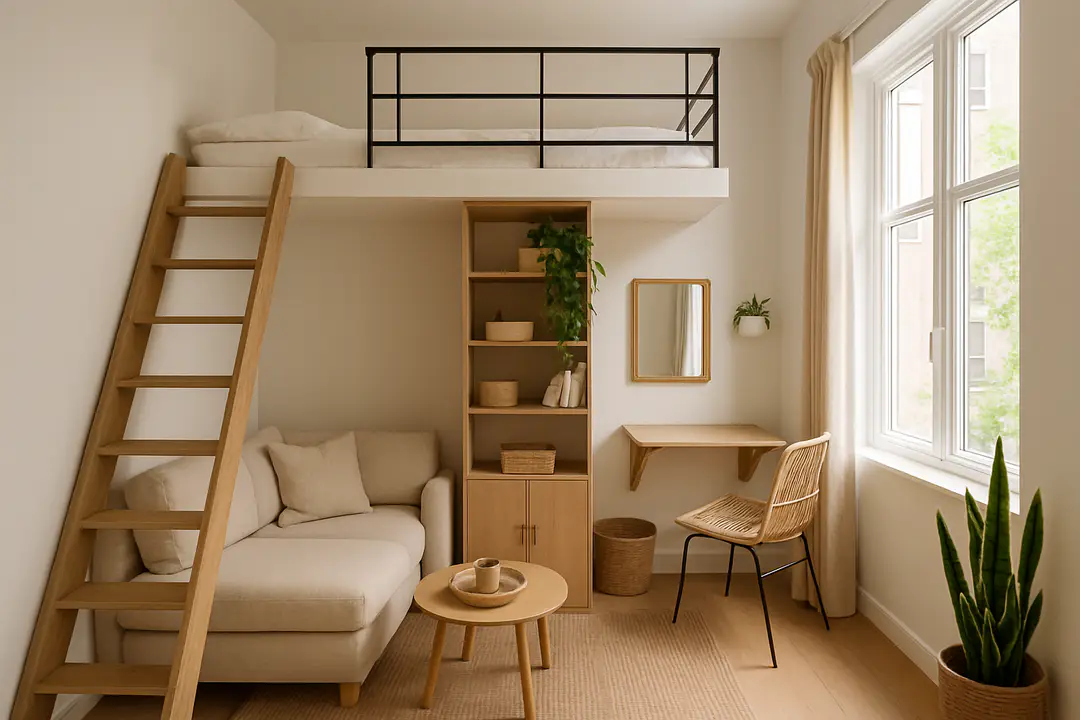

Living in a cozy apartment can feel both inviting and challenging. We often focus on sofas and cupboards but overlook how vertical storage shapes daily life. Harnessing wall space and ceiling height can transform a room in surprising ways. How can you make the most of that overlooked vertical real estate without sacrificing style?
By choosing adaptable pieces, clever layouts, and simple declutter routines, you can open up even the smallest space. Understanding multi-functional furniture, smart storage, and lighting tricks helps you plan better and avoid wasted buys. With a clear strategy, you’ll feel more confident, organized, and in control of your home’s potential.
Multi-Functional Furniture
Choosing furniture that serves more than one purpose is key in a tight space. A sofa that converts into a bed, a coffee table with hidden storage, or a fold-down desk can free up floor area and reduce clutter. Think of each piece as a tool that adapts to your daily needs.
- Murphy Bed – This wall-mounted bed folds up when not in use, revealing shelving or a sofa below.
- Expandable Dining Table – Compact when used solo, this design stretches to seat four or more guests.
- Storage Ottoman – Use it as seating, a footrest, or a hidden bin for blankets and pillows.
- Console Desk – Fits behind a sofa or against a wall, offering workspace without a large footprint.
- Nesting Tables – Pull out extra surfaces when you need them, then tuck them away in seconds.
Before buying, test fold mechanisms if possible. User reviews often mention jammed hinges or loose bolts over time. Investing a bit more in quality craftsmanship ensures your sofa bed or desk holds up to daily use. Place multi-functional pieces in logical zones: seating by the window for reading, work desks near outlets, and ottomans by the TV. Proper placement builds flow and makes each piece feel intentional rather than cramped.
Smart Storage Solutions
In small spaces, every inch counts. Smart storage means using hidden, open, and modular options to keep items off the floor and within reach. Start by scanning each room for dead zones: under the bed, above the door, or behind the sofa.
Under-bed boxes on wheels are perfect for shoes, off-season clothes, or paperwork. Open wall shelves can display decor, books, or baskets for smaller items. In the kitchen, magnetic strips on the fridge can hold knives or spice jars, while hanging racks under cabinets store mugs.
Don’t forget tall bookshelves or slim cabinets in narrow hallways. A pegboard in the entryway can hold keys, bags, and hats. Clear containers let you see what’s inside at a glance and reduce time spent searching for items.
To keep things sustainable, revisit your belongings every six months. Donate or sell items you no longer use. Label bins and baskets clearly. Group like items together so the system stays intuitive, even when you’re in a rush.
Using Light And Color
Light and color can trick the eye into seeing more room. Pale walls reflect light and feel open, while darker accent walls add depth without closing in the space. A consistent palette across floors, walls, and furniture creates a seamless look.
Natural light is the best tool. If you plan to let more sunshine in, learning how to install windows or enlarge frames can pay off. If a big renovation isn’t an option, swap heavy curtains for sheer panels or install blinds that retract fully.
Mirrors also amplify light and open up sightlines. Position a large mirror opposite a window or artwork. Even small mirrors placed on shelves catch reflections and brighten corners.
If budget allows, add recessed lighting in low ceilings to avoid bulky fixtures. LED strips under cabinets or shelves add function and ambiance. Smart bulbs let you adjust warmth and brightness with your phone.
Vertical Space Use
Floor space may be scarce, but walls and ceilings are blank canvases. Using vertical space can double your storage and display options. It starts by looking up rather than around.
Install floating shelves high on walls to store books, plants, or decorative items. Add a rolling ladder if the shelf is too tall. Hooks mounted near the ceiling can hold bike wheels, holiday decor, or hanging plants.
Ceiling-mounted racks in the kitchen for pots and pans free up cabinet space and give a professional look. In closets, double up hanging rods at different heights for shirts and pants.
Think in layers: low storage for daily items, middle for occasional use, and high for seasonal or decorative pieces. Use consistent baskets or bins to keep a unified look. A step stool hooked on the wall ensures you can reach top shelves safely.
Declutter Like Pro
A cluttered room feels smaller no matter how high the ceiling. A regular declutter routine keeps small rooms tidy and functional. Set aside time each month to purge and organize.
Start with one zone: a drawer, a shelf, or a closet. Empty it completely and sort items into keep, donate, or discard piles. Be honest about what you use. If you haven’t touched it in six months, let it go.
For papers, scan what you need and toss the rest. Consider moving digital files to cloud storage where they take up no physical space. Label digital folders clearly, just like your bins at home.
Adopt a one-in, one-out rule: when you bring in a new item, remove an old one. This habit prevents build-up over time. Keep daily essentials visible and everything else stored away for a calm, peaceful home.
Flexible Layouts
Furniture that moves easily helps you adapt the room for different activities. With a few simple shifts, your living area can serve as an office, dining room, or guest bedroom.
Use area rugs to define zones. A rug under a coffee table marks the lounge area, while a mat under a desk anchors your workspace. These visual cues guide movement and avoid confusion.
Choose lightweight seating like folding chairs or stools that tuck away when not needed. Rollable furniture on casters makes shifting pieces effortless. A small cabinet can double as a side table when pushed under another surface.
In open-plan studios, consider a sliding screen or curtain to separate the bedroom from living or work areas. This modular wall creates privacy and can be pulled back in seconds for entertaining.
Design with scale in mind: avoid oversized sofas or tables. A two-seater couch feels more spacious than a bulky sectional. Nesting furniture lets you adjust seating based on guests.
Conclusion
Making the most of a tiny space is all about creativity, planning, and smart choices. From multi-functional furniture to clever storage and lighting tricks, each strategy adds up to a room that feels larger, more inviting, and fully yours. By focusing on vertical surfaces, decluttering regularly, and staying flexible in your layout, you create a home that adapts to every need. Remember, small doesn’t have to mean cramped. With a bit of effort and the right tools, your compact home can shine brighter than any sprawling mansion. Start with one tip today, and watch how quickly your space transforms.
It’s a journey to find what works for your lifestyle. Test out a fold-down desk, hang new shelves, or swap a dark wall for a bright hue. Each change teaches you more about your habits and preferences. Over time, your space becomes a reflection of your personality—efficient, stylish, and peaceful. Apply these approaches one step at a time, and don’t be afraid to tweak as you go. Small adjustments often lead to big rewards: clearer floors, brighter rooms, and a calmer mind.


