
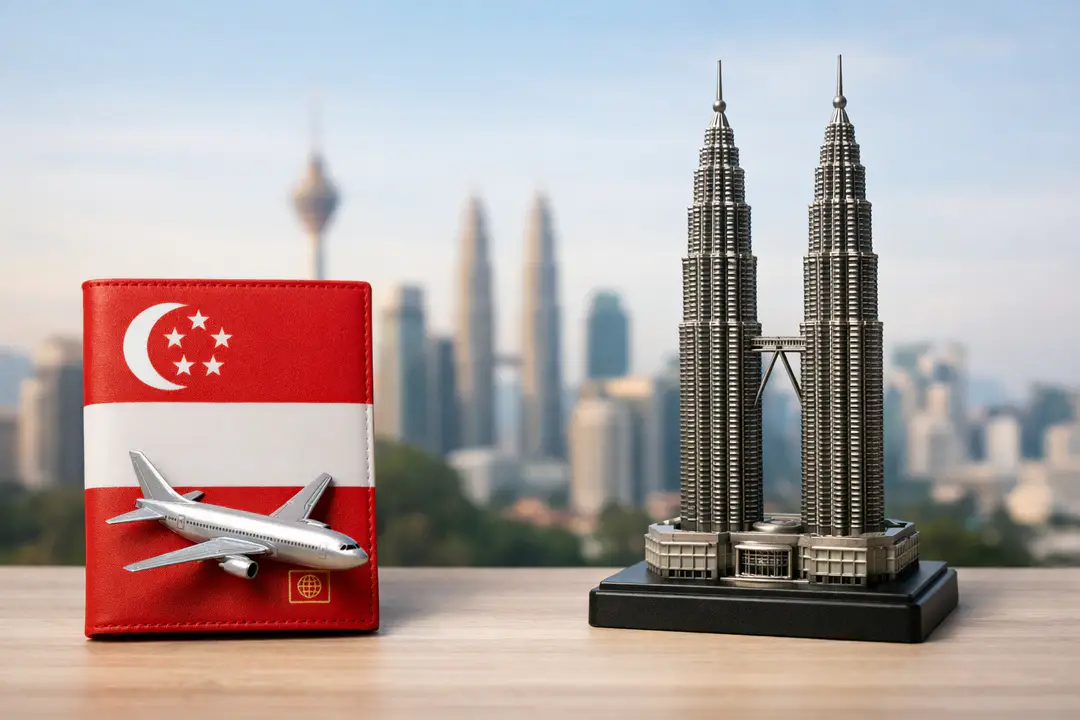

If you’re a parent in Singapore, you’ve probably had this exact thought: “We want a short getaway, but I don’t want the journey to be the stressful part.” Kuala Lumpur is close enough to feel doable, but between the border crossing, nap schedules, and “are we there yet?” energy, it can also feel like a lot to coordinate.
The good news: a family trip from Singapore to Kuala Lumpur can be simple and genuinely fun if you plan around the realities of traveling with kids—comfort, timing, and predictable breaks. You don’t need a complicated spreadsheet; you need the right transport choice, a border plan, and an itinerary that doesn’t try to do everything.
In this guide, I’ll walk you through the best ways to travel (bus, train, car, flight), what to expect at immigration/customs, and several sample itinerary options (day trip, weekend, and 3 days) with family-friendly pacing. You’ll also get realistic budget ranges, where to stay in KLCC and beyond, and a packing checklist built for Southeast Asia travel with children.
What Is a Family Trip From Singapore to Kuala Lumpur? (Overview)
A family trip from Singapore to Kuala Lumpur is a short-haul international getaway that combines a cross-border journey (via land or air) with a city break in Malaysia’s capital—often focused on family-friendly attractions like the Petronas Twin Towers, Aquaria KLCC, the KLCC park playground, and an easy half-day to places like Batu Caves.
What makes it different from a typical couple’s city break is that the “hidden” logistics matter more than the headline sights. Your trip success usually depends on three concepts:
- Journey pacing: Door-to-door travel by bus or train often lands around travel time 6-8 hours once queues and waiting are included, so timing matters.
- Border readiness: The border crossing can be fast or slow. Kids add complexity (bathroom breaks, stroller handling, paperwork).
- Kid-proof planning: You’ll want attractions clustered by area, downtime in the schedule, and meals that won’t turn into negotiations.
This trip is important because it’s one of the best “training wheels” international trips for families based in Singapore: minimal time zone issues, familiar food, and lots of indoor options for hot afternoons or rainy days. It also scales well—parents can do it as a day trip, a 2 day family trip, or a longer long weekend without needing extensive leave.
Throughout the guide, I’ll reference common parent-recommended tactics from Facebook groups, Reddit threads, and itinerary reviews you’ll see on Tripadvisor and Viator—because what works on paper isn’t always what works with a toddler at 5:30 a.m.
Quick Overview: Is Kuala Lumpur a Good Family Destination?
KL is one of the easiest “big city” trips for Singapore-based families: English is widely used, food is varied (and picky-eater friendly), and many top sights are stroller-friendly—especially around KLCC.
- Best for: Families who want malls + parks + indoor attractions, plus easy day tours.
- Age sweet spot: 3–12 (playgrounds, aquariums, science museums, easy walking routes). Teens also do well with shopping and viewpoints.
- Weather reality: Plan midday indoor blocks (aquarium, museums, malls) and do outdoor spots early.
- Getting around: Grab rides are common; trains work well for specific corridors; walking is best inside KLCC.
What families love most
- Compact “win” zones: KLCC lets you pair Petronas photos, Aquaria KLCC, a playground, and dinner without long transfers.
- Value: Hotels and meals often feel like a step up for the same budget compared to many city destinations.
Common mistakes parents make
- Overpacking the day: KL traffic is real; plan fewer sights and enjoy them.
- Underestimating the border: Land travel can be smooth, but queues can inflate travel time fast.
Parent reality check: If you want a “no variables” trip, fly. If you’re fine with some unpredictability to save money, bus or car works well with smart timing.
How to Travel From Singapore to Kuala Lumpur with Kids (Bus, Train, Car, Flight)
The best transport depends on your kids’ ages, your tolerance for queues, and whether you want to arrive rested or save money. Below is a family-focused comparison—comfort, predictability, and bathroom access matter as much as headline duration.
| Option | Typical door-to-door time | Comfort for kids | Best for | Watch-outs |
|---|---|---|---|---|
| Luxury coach / express bus | ~6–8 hours (with border crossing) | High (reclining seats, A/C) | Budget-friendly families | Immigration queues; motion sickness |
| Train Singapore to Kuala Lumpur | ~6–8 hours (transfers + waiting) | Medium-High (space to move) | Kids who need movement breaks | Schedules, connections, availability |
| Drive (own car or rental) | ~5–7+ hours (traffic dependent) | High (your car setup) | Families with car seats/gear | Tolls, fatigue, parking, border peak times |
| Flight | ~3–5 hours total (airport processes) | High, fastest | Short trips, toddlers, tight schedules | Airport transfers, baggage rules |
Bus: the popular “family value” pick
Parents often choose a luxury coach / express bus because it’s direct, air-conditioned, and affordable. A family vlog snippet widely shared on YouTube cites a $35 ticket price for a luxury coach option—pricing varies by operator and dates, but it’s a useful benchmark when you’re comparing costs.
- Pros: Budget-friendly, no driving stress, kids can watch shows, many departures daily.
- Cons: Everyone must get off at immigration/customs; queues can be long on weekends/holidays.
- Comfort tip: Choose front/middle seats to reduce motion sickness; bring a small footrest for younger kids.
Train: calmer pace (but plan connections)
The train Singapore to Kuala Lumpur route can feel less claustrophobic than a coach because kids can stand and stretch, but you may need to coordinate segments and timing. Total time can still land in the travel time 6-8 hours range once transfers and border-related waiting are counted.
- Pros: Space to move, less road nausea, novelty factor for kids.
- Cons: Less “one ticket, one ride” simplicity; missed connections are stressful with kids.
Car: best if your family has a strong car routine
Driving shines when you already have your child seats, snacks, and entertainment dialed in—and when your kids sleep well in the car. It also makes stops flexible (toilet, snacks, leg stretches).
- Pros: Control over timing and breaks; easier with bulky gear.
- Cons: Driver fatigue; KL parking; peak-hour jams near the causeway.
Flight: simplest for short trips
If your goal is to maximize “KL time” and minimize “journey time,” fly. Door-to-door can be surprisingly efficient if you pack light and stay near KLIA Express connections.
- Pro tip: For a 2D1N or tight weekend, flying often feels worth the extra cost because you avoid border uncertainty.
Border Crossing & Immigration: What to Expect With Children
The land border crossing is the part parents worry about most—and rightly so. The key is to treat it like an “airport moment”: documents ready, snacks accessible, and a plan for bathroom breaks. Whether you’re on a coach, in a private car, or joining a bus tour from Singapore to Kuala Lumpur, the basic flow is similar: exit one country, enter the next, then continue.
Step-by-step: how it usually works
- Approach the checkpoint: Traffic can stack up before you even reach immigration.
- Clear departure controls: You’ll queue as a family. If you’re on a coach, everyone disembarks together.
- Proceed to immigration/customs: Keep passports, any required documents, and arrival details handy.
- Re-board / re-group: Coaches typically do a headcount; families should pick a clear meeting point.
- Repeat on the other side: Entry lines can be longer at peak hours.
- Time reality: Community advice across Facebook groups and Reddit often pegs bus/train door-to-door at 6–8 hours once waiting is factored in. That’s normal—plan around it.
- Best times (family-friendly): Very early morning departures can beat queues, but only if your kids can sleep on the move. Otherwise, late morning can be calmer than Friday evening rush.
- Toilet strategy: Use the toilet before you join the immigration queue. Carry tissues and sanitizer.
What to carry in your “border bag”
- Passports for all travelers (check validity well ahead)
- Pen (for any forms), small folder for documents
- Snacks that don’t melt (crackers, cereal bars), water
- Light jacket for A/C + a spare top for toddlers
- Compact entertainment: sticker book, small toys, downloaded videos
Kid tip: Teach your child a simple “border rule”: hold hands in crowds, and if separated, stand still and call out your name. It sounds basic, but it helps in busy halls.
Sample Itineraries: Day Trip, Weekend, and 3 Days (Family Pace)
Your itinerary should be built around energy peaks (morning) and meltdown zones (late afternoon). Below are three options that parents actually manage without feeling like they’re speed-running KL.
Option A: 1-Day Family Day Trip (ambitious, but doable)
This is best if you’re joining a structured day trip to Malaysia by bus or booking a private tour that handles transport. Note: a self-planned day trip with land travel can feel long; consider flying if you want true “one-day” ease.
- 05:30–06:00 Depart Singapore (coach/private car). Pack breakfast snacks.
- 08:00–10:00 Border crossing + buffer (varies).
- 12:00 Arrive KLCC area; lunch in a mall (easy with kids).
- 13:00–15:00 Aquaria KLCC (cool, indoor, predictable win).
- 15:15–16:30 KLCC park + playground + ice cream.
- 17:00 Early dinner, then depart KL.
- Late evening Return Singapore (expect tired kids).
Pro tip: If you’re using a tour listing on Tripadvisor or Viator, check if it’s truly “door-to-door” and whether it includes waiting time at immigration/customs or just the driving time.
Option B: 2D1N (classic weekend reset)
This 2 day family trip is the sweet spot for most parents—enough time for KLCC plus one “big” outing like Batu Caves without rushing.
- Day 1 Morning: Travel + check-in (aim to arrive by early afternoon).
- Day 1 Afternoon: Aquaria KLCC + park playground.
- Day 1 Evening: Petronas area photos, dinner, early night.
- Day 2 Morning: Batu Caves early (beat heat/crowds); keep expectations realistic on stairs with small kids.
- Day 2 Afternoon: Lunch + last-minute shopping + depart.
Option C: 3 Days (most relaxed with toddlers)
- Day 1: Arrive + KLCC “easy wins” (aquarium, park, dinner).
- Day 2: One major outing + nap break at hotel (or quiet mall time).
- Day 3: Slow breakfast + one museum/indoor attraction + travel home.
Common itinerary mistake: Planning Batu Caves and multiple malls on the same day without a rest block. With kids, one “big thing” per day is usually the right rhythm.
Top Family-Friendly Attractions in Kuala Lumpur (What’s Worth It)
KL has lots to do, but families are happiest when they choose attractions that match attention spans and heat tolerance. Here are reliable crowd-pleasers, with simple planning notes.
1) Petronas Twin Towers (KL’s iconic stop)
The Petronas Twin Towers are the must-see photo moment for many kids (and grandparents back home). If you’re doing the skybridge/viewing deck, book ahead when possible and plan around crowds.
- Best time: Late afternoon into early evening for photos + dinner after.
- Kid tip: Set expectations: the “wow” is quick, but the lines can be long.
2) Aquaria KLCC (air-conditioned, toddler-friendly)
Aquaria KLCC is a predictable win: dark, cool, stroller-friendly, and easy to enjoy in 60–120 minutes. It’s ideal on arrival day when you want something fun without logistical complexity.
- Plan: Combine with KLCC park playground to burn off energy after indoor time.
3) KLCC Park + Playground (free, easy, essential)
The KLCC park is the “parent reset button.” Kids can run, parents can sit, and it breaks up mall time. This is also where KL starts to feel family-friendly rather than just busy.
- Bring: Hat, water, change of clothes if your kids play hard.
4) Batu Caves (big impact, but plan the climb)
Batu Caves is visually impressive and culturally interesting, but it’s not a relaxed stroller outing. With small kids, go early, bring water, and decide in advance how many steps you’ll do.
- Best time: Early morning.
- Common mistake: Starting late morning and getting stuck in heat + crowds.
5) Optional add-on: Malacca for a change of pace
If you’ve already done KLCC and want variety, Malacca is a popular add-on (or a separate trip). It’s often marketed as a day tour, but with kids it’s more enjoyable as an overnight because travel plus walking can tire them out.
- Good for: Easy riverside strolling, heritage vibes, slower tempo than KL.
Budget & Practical Costs (Tickets, Transfers, Meals)
Families plan better when costs are “range-based” instead of perfect numbers. KL can be excellent value, but your total depends heavily on transport choice and whether you book a private tour or DIY.
Transport cost benchmarks
- Coach: A shared YouTube family vlog snippet cites $35 for a luxury coach ticket (treat it as a ballpark; prices vary by operator and season).
- Door-to-door time planning: Even when tickets look fast, plan around travel time 6-8 hours for land routes with border crossing and waiting.
- Flights: Often more expensive upfront, but can reduce hotel nights if you’re doing a tight schedule.
KL on-the-ground spending (family reality)
- Meals: Food courts are your friend—cheap, fast, lots of choices for picky eaters.
- Attraction tickets: Indoor attractions add up quickly if you do several in one day; pick 1–2 “paid highlights” and balance with free parks.
- Rides: Grab rides are convenient; consider a larger air-conditioned vehicle option if you have a stroller and multiple kids.
Tour packages: when they’re worth it
Commercial listings on Tripadvisor and Viator often advertise full-day private Singapore→Kuala Lumpur tours and “top 10” style packages (some pages are even dated into 2026, which signals current listings and seasonal offers). They can be worth it if you want someone else handling the schedule and you’re traveling with grandparents or multiple young kids.
- Worth it when: You want a single booking that includes border coordination, parking, and a planned route.
- Not worth it when: Your kids need lots of unstructured playground time (tours can feel rushed).
Pro tip: Before you book, look up recent reviews and real family pacing in Facebook groups or Reddit. You’ll quickly see whether a “full day” itinerary is realistic or exhausting.
Where to Stay: Best Areas and Family-Friendly Hotels (By Vibe)
Where you stay in KL changes everything: nap breaks, meal convenience, and how much time you waste in traffic. For most first-timers with kids, staying near KLCC is the easiest choice because you can walk to multiple attractions.
KLCC: the easiest base with kids
- Pros: Walkable to Aquaria KLCC, park playground, malls, many dining options.
- Cons: Often pricier than other areas; can feel busy.
- Best for: First trip, toddlers, families who want “no-fuss” logistics.
Bukit Bintang: shopping + food, slightly more hectic
- Pros: Endless food choices, shopping, lively atmosphere.
- Cons: Can be crowded; walking with strollers may be less pleasant in some stretches.
- Best for: Families with older kids/teens who enjoy malls and night markets.
Sentral / KL Sentral: best if you’re arriving by train
- Pros: Convenience for rail connections; practical for quick stays.
- Cons: Less “holiday vibe” than KLCC; you’ll commute to attractions.
Family hotel checklist (what actually matters)
- Room layout: Connecting rooms or suites beat “we’ll squeeze in” optimism.
- Laundry access: A lifesaver for toddlers; even a nearby laundromat helps.
- Breakfast timing: Early breakfast options reduce morning friction.
- Pool: A pool can replace an entire paid attraction on a hot afternoon.
When planning your stay, it can also help to borrow a few small-space organization habits for keeping a hotel room functional with strollers, snacks, and everyone’s day bags—especially for shorter trips where clutter escalates fast.
Packing Checklist & Safety Tips for Families
Pack for comfort and predictability, not for every hypothetical scenario. The goal is to handle heat, A/C swings, sudden rain, and long waiting stretches during immigration/customs.
Family packing checklist (Singapore → KL)
- Documents: Passports, copies/photos of key docs, any required confirmations
- Border crossing kit: Snacks, water, tissues, sanitizer, spare top, wet wipes
- Weather gear: Compact umbrella/raincoat, hats, sunscreen
- Comfort: Light jacket for cold malls/coach A/C, travel pillow
- Kid essentials: Small first-aid kit, motion sickness items if needed
- Entertainment: Headphones, downloaded shows, coloring/stickers
Safety and “stress prevention” basics
- Meeting point rule: In malls (KLCC especially), choose a visible meeting point and repeat it to kids.
- Stroller strategy: Use a compact foldable stroller if you’re taking buses/trains; big strollers become a hassle at checkpoints.
- Heat management: Outdoor sights early; indoor attractions after lunch; schedule water breaks.
Digital safety (useful when you’re planning on the go)
If you’re comparing routes, tour confirmations, or maps while on public Wi‑Fi, it’s worth being mindful of basic mobile security practices—especially when you’re logging into booking apps or sharing devices between parents.
Kid tip: Give each child a simple card (or a note in their bag) with your contact number and hotel name. You’ll likely never need it, but it’s reassuring in crowded places.
Practical Tips & Best Practices (What Experienced Parents Actually Do)
These are the small decisions that make the trip feel smooth—especially if you’re traveling with toddlers or doing land travel for the first time.
- Choose your travel day carefully: If you can, avoid Friday evenings and Sunday late afternoons for land routes. The border crossing can balloon during peak periods.
- Plan one “anchor attraction” per day: Example: Aquaria KLCC + playground is a full day for many families once meals and transfers are included.
- Use malls strategically: KL’s malls aren’t just shopping—they’re clean toilets, high chairs, and A/C recovery zones.
- Build in a nap/quiet block: Even if your child doesn’t nap, a 60–90 minute hotel reset prevents evening meltdowns.
- Don’t over-optimize transport: The “fastest” land option on paper can still land at travel time 6-8 hours door-to-door. Pack for comfort first.
- Tour bookings: read the fine print: For a bus tour from Singapore to Kuala Lumpur or a private tour, confirm pickup point, vehicle type (air-conditioned vehicle matters), and whether meals/entrance fees are included.
Things to avoid: Tight connections, back-to-back outdoor attractions in midday heat, and “we’ll find food later” planning with hungry kids. Pick two reliable meal spots near your main attraction so you’re never searching while someone is already upset.
FAQ: Common Questions Parents Ask
Is a day trip from Singapore to Kuala Lumpur realistic with kids?
It can be, but it’s a long day—especially by land. Many families prefer a guided day trip or private tour so logistics are handled. If you want a true “one-day” feel, flying usually makes the schedule kinder for kids.
Bus or train—which is better with young children?
For kids who sleep well in a seat and do fine with limited movement, a luxury coach / express bus can be easiest and cost-effective. For kids who need to stand and stretch often, the train can feel calmer—though connections and timing can add complexity.
How long does it take door-to-door by land?
A common parent-planning range is travel time 6-8 hours by bus or train once waiting and the border crossing are included. Sometimes it’s faster, sometimes it isn’t—so build buffer into hotel check-in and meal plans.
What are the best “easy win” attractions near KLCC?
Start with Aquaria KLCC, then head to the KLCC park and playground. Add Petronas photos in the same area. This cluster minimizes transfers, which is often the biggest source of friction when traveling with kids.
Should we add Malacca on the same trip?
If you have 3 days, it can work (especially if you’re comfortable with extra driving). For a 2D1N, it usually feels rushed with children. Malacca is often better as its own overnight or as a slower-paced add-on after you’ve already done KLCC highlights.
Conclusion
A well-planned family trip from Singapore to Kuala Lumpur is less about “seeing everything” and more about choosing the right transport, reducing friction at immigration/customs, and building an itinerary that respects kids’ energy and comfort. For many families, KLCC is the easiest home base: it bundles the Petronas area, Aquaria KLCC, parks, food, and malls into a walkable zone.
If you want the simplest journey, fly. If you want the best value, a luxury coach / express bus (even around the $35 benchmark seen in a family vlog) can work brilliantly—just plan around the reality that land routes often total 6–8 hours door-to-door with the border crossing. Add one major outing like Batu Caves, keep afternoons flexible, and your trip will feel like a break rather than a marathon.
Next step: pick your trip length (day trip vs weekend vs 3 days), lock in transport and hotel, then plug in the timed sample itinerary blocks. Your future self—especially the one carrying a sleepy child—will thank you.


