
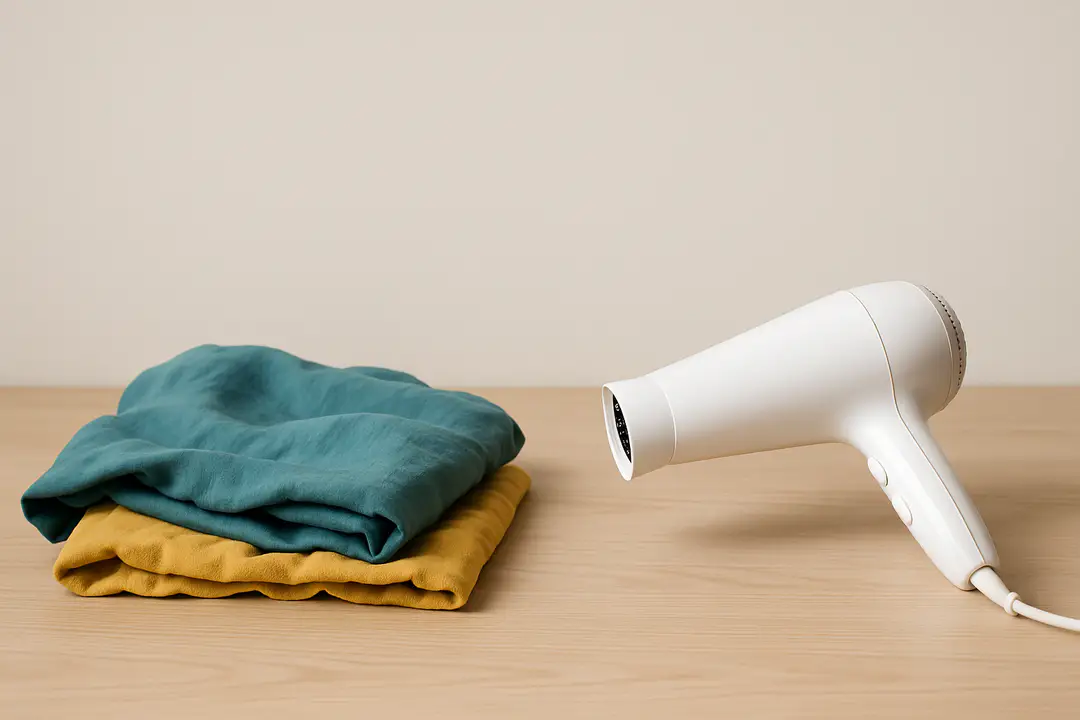

Have you ever paused over simple word choices in your daily writing routine? We worry about big grammar mistakes, but small spelling differences like drier versus dryer often fly under the radar. That one letter change shifts from describing a lack of moisture to a household appliance. Ever wondered which form to pick and why it matters?
Understanding this tiny but meaningful distinction clears up confusion and helps you write with confidence. Knowing when to use each term sharpens your editing eye, so your message stays clear and professional. Let’s unpack how mastering this detail can prevent awkward stumbles and keep your writing on point.
Meaning and Origins
The words drier and dryer seem close cousins at first glance. They share the same root d r y, which comes from Old English. Over time the gesture of adding -er formed a comparative adjective. Yet around the mid 1800s the same suffix began naming machines that remove moisture. In effect, one spelled drier described more dryness and the other spelled dryer defined an appliance.
This kind of split is not unique. Writers often face pronunciation or spelling debates in everyday English. In fact, you might explore pronunciation debates to see how similar roots can evolve different uses. History shows us language shifts and creates fresh distinctions. Recognizing that story brings clarity to modern usage.
Spelling Rule Basics
Knowing how to spell drier and dryer comes down to a simple test. If you mean more dry you reach for d-r-i-e-r. If you refer to the laundry machine go with d-r-y-e-r. No fancy grammar rule hides here. Just a clear split based on function.
Keep in mind that silent letters or unusual pairings can confuse even careful writers. Just as some users struggle with Excel versus Excell misspellings, you can bump into similar pitfalls choosing one form over the other. For guidance on managing close word pairs you might review the quirks of the Excel spelling pair. When you know this core rule the moment of doubt passes quickly.
Usage Examples
Seeing words in context cements the rule. Here are common examples that showcase drier and dryer side by side:
- The desert gets drier as summer progresses.
- I need a new dryer since the old one broke.
- Your hair will feel drier after sun exposure.
- Clean the lint trap before you start the dryer.
These lines show how meaning shifts with one letter swap. When you practice sentences like these you build a mental habit. Soon you’ll spot on the correct choice without hesitation.
Common Misuse Tips
Even seasoned writers slip sometimes. A quick tip is to scan each sentence and ask what idea it conveys. If you want more dryness check drier. If you mean household gear pick dryer. Simple prompts break down complex editing sessions.
- Tip 1 Keep a style note on your desk or in a digital guide.
- Tip 2 Search your document for dryer to confirm context.
- Tip 3 Use autocorrect or custom dictionary entries wisely.
These small habits save time when you juggle multiple edits. They also build confidence that every word lands as you intend.
Grammar Style Tips
Style guides sometimes differ in how they handle comparative forms. Most modern manuals accept drier for the adjective. Yet double check house style in formal reports and publications.
When you review style rules notice similar patterns. Editors track common errors like ninth versus nineth. Studying those examples can sharpen your eye. The goal is consistent usage across a document.
By building a very short list of trusted rules you remove guesswork. A dash of system and review keeps your writing precise and unified.
Choosing the Right Form
Ultimately the choice depends on the idea you need to express. If you refer to increasing dryness pick drier without backup context. If you write about the machine that spins and heats, go with dryer. Recognize the function first. Then apply the correct spelling.
For language learners or casual writers this step by step approach feels like a playbook. You categorize meaning then assign the form. After a few rounds of practice it comes naturally.
Keep checking your work and adopt quick reminders. Soon decisions on drier versus dryer become second nature. You can focus less on word form and more on the creative side of writing.
Conclusion
Mastering the difference between drier and dryer is a small win that boosts your overall writing skill. By tracing their shared origin, learning the straightforward spelling test, and practicing common examples you build a solid habit. When you encounter that moment of doubt remember your drier versus dryer checklist. Use it to confirm whether you mean more dry or a machine at work. Over time these small checks will slide into effortless use. Embrace the clarity this brings to your writing and let it free your mind to focus on bigger ideas and richer content.


