
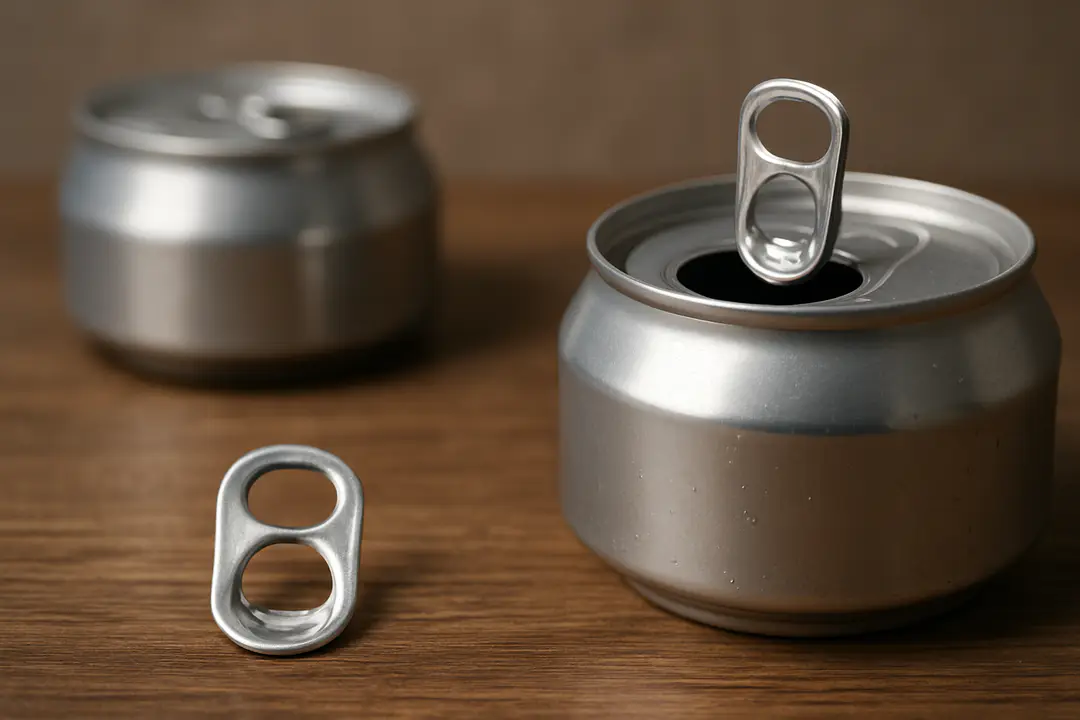

Pop the top on any soda can and you expect a quick drink. But we often forget to think about the tiny tab that makes it all possible. This little latch is more complex and essential than it looks. Ever wondered why that tab sometimes sticks or why it’s shaped in a half-circle ring?
That curved hook evolved from years of design tweaks to balance strength and ease of use. Knowing the soda tab meaning can help you open cans safely and spot quality issues before they bite. With this insight, you can enjoy your drink without surprises and even sort your recycling smarter.
Tab Origins Story
The first soda tabs were introduced in the 1930s as an integrated way to enjoy a carbonated drink without needing an opener. Early cans and beer bottles were sealed with crown caps that required a separate bottle opener. Inventors looked for a metal latch that could be built into the can top and tested various hooks and levers. These experiments included trials with steam sterilization to ensure the tab stayed clean after high-heat canning processes.
By the 1950s, the pull-ring tab emerged. It combined a lever action with a scored metal line, allowing the inner panel to fold back under the lid. This design allowed consumers a one-handed opening that was faster and safer than nails or loose keys. The pull-tab quickly became popular, boosting soda sales and simplifying production lines worldwide.
Yet the original pull-tab had a flaw: it detached entirely and often littered parks and sidewalks. In response, engineers developed the “stay-tab” in the 1970s so that the tab remained attached to the can. This small tweak significantly reduced litter and the risk of cuts. Today, the stay-tab is the universal standard for most drink cans, tying past innovations to present convenience.
International brands sometimes use slight variations of this stay-tab for different markets. For example, some premium craft beer cans feature colored pull tabs for branding. These tweaks show that even a small part can carry style points and functional updates. This journey from metal ring to stay-tab sets the stage for deeper design questions.
How Tabs Work
At first glance the soda tab seems simple, but it relies on four key components: the hinge, the lever arm, the rivet, and the scored opening line. When you lift the tab, the hinge acts as a fulcrum, turning force into a controlled tear along the scored channel. At the same time, pressure releases, pushing the metal flap inward and creating just enough space for liquid to flow. It’s a neat example of mechanical advantage in everyday design.
Modern bottlers rely on precise data and machinery to maintain can integrity. Any mistake in the mold shape or input data at the line control can cause weak scores that tear too easily or not at all. Quality control checks often include pressure tests and optical inspections of the tab. This attention to detail helps avoid sharp edges and ensures a smooth pop every time.
Understanding this action can help you handle stubborn cans better. If the tab won’t lift, try wiggling at the rivet base or tapping the scored line gently. Applying slow, steady force works far better than a quick yank. Mastering the mechanics keeps your fingers safer and your drink spill-free.
In cases where the tab deforms during shipping, some people use flat tools to reshape the lever before opening. While not recommended for every can, gentle adjustment can prevent a partial tear that leaves jagged metal. Ultimately, knowing how the pieces fit lets you intervene if the tab seems off. Next, we’ll see how the design itself evolved over time to make your life easier.
Design Evolution
The soda tab has changed more than you might think. Beyond the shift from pull-tab to stay-tab, designers have tweaked angles, thickness, and material grades. One big goal was reducing slivers of metal that cut lips or hands. To do this, engineers focused on smoother edges and a lowered profile that minimizes snagging.
By the late 1980s, computer-aided design allowed precise stress testing. Developers ran simulations on millions of cycles, combating fatigue in the hinge and ensuring the tab resists deforming under high pressure. They also experimented with color-coded tabs to indicate flavor or brand identity. This was a mix of function and marketing art.
Some specialty cans even use ergonomic raised ridges so your finger doesn’t slip. Others offer pull tabs that double as bottle openers once you finish the last drop. These niche innovations show that even a functional part can carry style statements or extra utility. As tastes and technologies shift, the humble tab will keep finding new roles.
Looking forward, smart tabs with QR codes or sensors are on the horizon. Imagine scanning your tab to see inventory details in real time or checking if your drink is chilled enough. While these ideas are still in testing, they hint at a future where the soda tab meaning goes beyond opening and enters the digital world.
Material Choices
Most soda tabs are aluminum, prized for its light weight and corrosion resistance. Early designs also tested tin-plated steel, but that option tended to rust and added extra weight. Some brands now experiment with eco-friendly alloys or recycled content to cut carbon footprint. To see why aluminum dominates, here’s a quick comparison:
| Material | Weight | Corrosion | Recyclability |
|---|---|---|---|
| Aluminum | Very light | High resistance | Excellent |
| Tin-plated steel | Heavier | Moderate | Good, but less common |
| Eco Alloy | Light | High | Depends on metals |
Recycling rates for aluminum tabs often exceed 75% in countries with robust systems. Recycled aluminum uses just 5% of the energy compared to new metal. That’s why you’ll see many craft workshops collect tabs for art or charity drives. The material choice links directly to sustainability goals and end-user convenience.
In some cases, aluminum foam tabs are tested for better grip and weight reduction, though cost remains higher. Manufacturers balance price, performance, and eco-impact when selecting alloys. If you pay attention to can labeling, you might spot the recycle code or alloy stamp near the base. That small mark carries big meaning for your planet.
Safe Handling Tips
Opening a soda can seems easy, but mishaps happen. Here are simple steps to stay safe:
- Check the tab alignment: Ensure the tab sits flat and unbent before pulling.
- Use your index finger under the hook: It gives more leverage and reduces strain.
- Lift gently until you feel the score give way: A quick jerk can cause spills or sharp edges.
- Press the tab flat after opening: This avoids accidental snags and stops ring marks on your lips.
- Dispose of old tabs properly: Metal pieces can cut trash bag liners or injure recyclers.
These practical moves save you from spills, cuts, and frustration. If a tab ever cracks or folds awkwardly, stop and try from the other side or use a clean tool. Taking a second to inspect before opening prevents many everyday accidents.
For kids or seniors, consider using tab lifters or key-like helpers sold in small tool sections. These gadgets hook under the tab and lift with less finger strength. While not a must-have, they show how one part can spin off extra accessories. When you travel, keeping a tiny cleaning brush helps remove sticky residues around the tab hinge, making the next sip smooth.
Recycling and Reuse
After popping your can, the tab holds value beyond opening. It’s pure aluminum, often sorted separately to boost scrap price. Here’s a quick process to recycle or repurpose tabs:
- Collect tabs in a clean container, free of debris.
- Rinse briefly to remove sticky soda residue.
- Separate tabs by color if using layered recycling for crafts.
- Take to your local scrap yard or recycling center.
- Consider donating to charities that turn tabs into funds or art.
Charity groups sometimes sell pounds of tabs to operators at metal scrap value, turning little pieces into cash for research or community projects. Upcycling tabs into keychains or mosaics has also gained popularity among crafters.
Whether you sort them for recycling or get creative, understanding the soda tab meaning adds a touch of purpose to each pop. Plus, you reduce landfill waste and support circular use of resources. Next time you twist off a can top, remember that little tab has a second life waiting.
You can also DIY garden tags by stamping tab surfaces and linking them with wire around seed heads. Schools and clubs sometimes run tab-collection drives, making it a team-building game. This small habit helps kids learn environmental lessons and spreads community spirit. Even our smallest actions carry weight when it comes to sustainability.
Conclusion
Understanding the soda tab meaning goes beyond that quick “pssh” when you open a drink. From its early pull-ring days to modern stay-tabs, each twist of the metal latch reflects design thinking, material science, and sustainability goals. Recognizing the simple machine at work helps you pop open cans more safely and appreciate subtle innovations born from everyday needs.
Whether you’re curious about the hinge action, admire the corrosion-resistant aluminum, or save tabs for charity art, this small detail shapes how we enjoy beverages. The next time you lift that tiny lever, think about its journey from factory line to your fingers. Small moments like these remind us that even humble parts carry stories and impacts worth noting.
Carry this insight into your daily routine: open cans with confidence, separate tabs for recycling, and share what you’ve learned. In doing so, you turn a little piece of metal into a symbol of clever design and environmental care. Now that’s a fresh perspective on something we use every day.


