

Potatoes are a kitchen staple in homes around the world, adding comfort and substance to nearly any meal. Yet many cooks overlook a key factor that affects their taste and shelf life: the way potatoes sprout and develop bitter spots when stored improperly. Those tiny shoots seem harmless, but they signal chemical changes that can alter flavor and safety. Understanding this can save you money and prevent waste. How do you keep potatoes from sprouting or going bad too quickly?
The answer lies in proper storage conditions, from the right temperature and humidity to the ideal container and location. By learning how to control light, airflow, and moisture, you can slow sprouting and maintain flavor. This knowledge helps you plan meals, reduces food waste, and ensures each potato reaches its full potential in the kitchen. Ready to take charge of your spuds and keep them fresher for longer?
Potato Varieties Overview
Choosing the right potato starts with understanding the main types and their uses. Some varieties hold shape when boiled while others mash into a fluffy consistency. Here are a few to know:
- Russet: Best for baking and frying; high starch, dry texture.
- Yukon Gold: Great for mashing and gratins; buttery flavor.
- Red Bliss: Holds shape; ideal in salads and stews.
- Fingerling: Small and waxy; perfect for roasting.
- Purple Majesty: Colorful mash or chips; antioxidant-rich skin.
- Kennebec: Versatile; works for chips and fries.
Tip: Match the potato to your dish. Firmer types suit salads and soups, while starchy ones excel in fries and mashed potatoes.
Growing Potatoes at Home
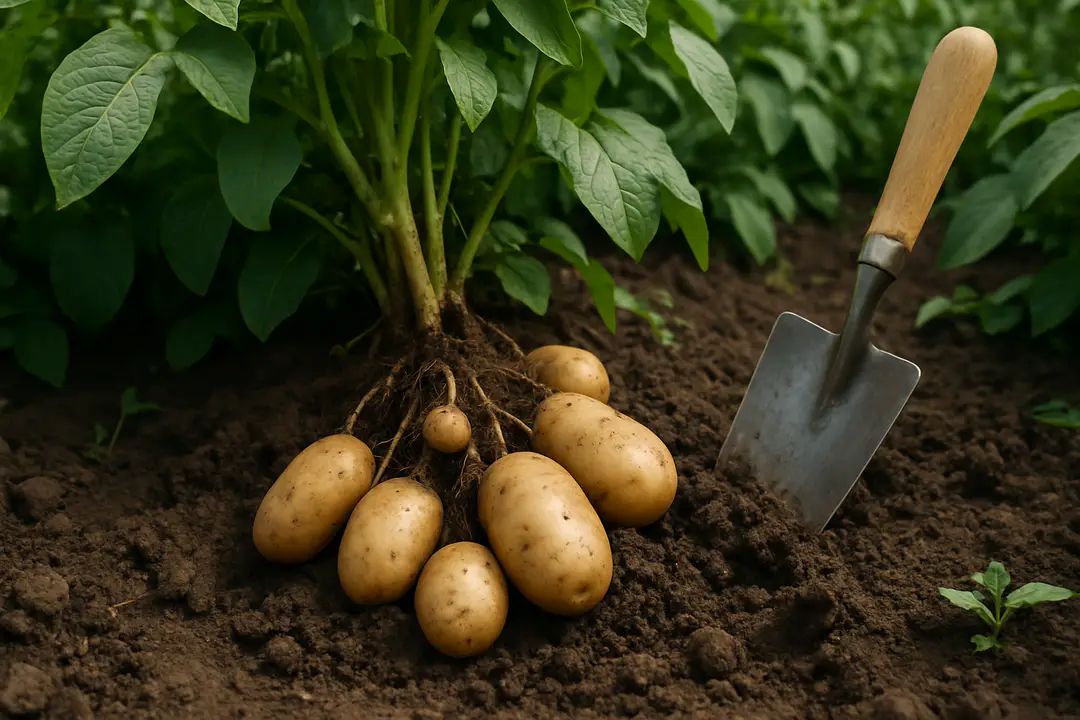
Growing potatoes in your backyard or containers can yield fresh, healthy spuds. Start with disease-free seed potatoes and choose loose, well-drained soil. Plant them in rows or bags, about 2–3 inches deep, with eyes facing up and 12 inches apart.
Maintain even moisture without waterlogging. Hill soil around stems when shoots reach 6 inches to encourage tuber formation and prevent greening. Thin weeds and watch for pests like Colorado potato beetles.
Harvest new potatoes after flowers fade, typically 10–12 weeks in. For mature spuds, wait until foliage dies back. Handle carefully to avoid bruises. Store harvested potatoes in a cool, dark spot and let skins cure for a day before use.
Storing for Freshness
Proper storage can extend potato life by months. Aim for a cool, dark, and well-ventilated spot. Ideal temperatures range between 45°F and 55°F. Avoid storing near onions, which release gases that speed spoilage.
Keep potatoes out of direct light to prevent green areas and bitter taste. A paper bag, mesh sack, or wooden crate works well for airflow. Discard any that show soft spots or mold to protect the rest.
For long-term storage, consider a basement or root cellar. Check periodically and remove sprouting or damaged tubers. This prevents waste and keeps your supply ready for soups, roasts, or fries.
Cooking Methods Compared
Different cooking methods bring out unique textures and flavors. Here’s a quick comparison:
| Method | Best For | Time | Key Tip |
|---|---|---|---|
| Boiling | Salads, mashes | 15–20 min | Start in cold water |
| Baking | Whole spuds, wedges | 45–60 min | Rub skin with oil |
| Frying | Chips, fries | 5–7 min | Dry thoroughly |
| Steaming | Veg blends, healthy sides | 10–15 min | Use a tight lid for proper steam |
Tip: For even cooking, cut potato pieces similarly. Test with a fork to avoid undercooked centers.
Nutritional Benefits of Potatoes
Potatoes are more than carbs. A medium potato (about 150g) offers 26% of daily vitamin C, 620mg potassium, and 2g fiber. They contain B vitamins and minerals like magnesium and iron.
Resistant starch in cooled potatoes feeds good gut bacteria, supporting digestion. The skin packs antioxidants, so leave it on when possible. Keep portions in check and pair with protein and vegetables for balanced meals.
Practical tip: Bake or steam potatoes to retain most nutrients. Avoid heavy creams and butters; flavor with herbs, spices, or a drizzle of olive oil.
Common Mistakes to Avoid
Even seasoned cooks slip up. Here are traps to dodge:
Washing before storage brings moisture that causes rot. Instead, brush off dirt and wash just before cooking. Exposing potatoes to light leads to green parts—cut or discard them.
High heat near stoves or ovens accelerates sprouting. Keep spuds in a separate cool corner. Cutting potatoes too early leads to oxidization and dark spots; chop just before cooking.
Tip: Inspect stored potatoes weekly. Catch issues early, and your next roast or mash will be flawless.
Potatoes bring comfort and nutrition when treated right. By choosing proper varieties, growing smart, storing carefully, and cooking well, you’ll enjoy better flavor and less waste. Embrace these tips to master every spud in your kitchen.


