
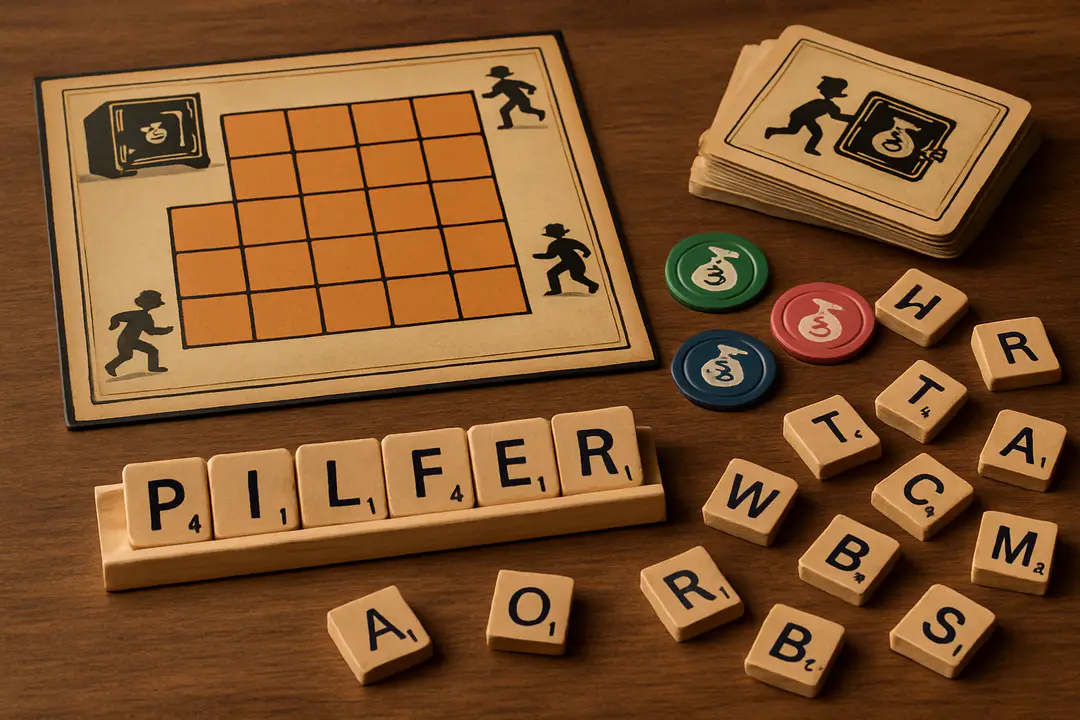

Word games are a fun way to build vocabulary and keep your mind sharp. But there’s one puzzle that’s often missed by word lovers: the Pilfer word game, where you ‘steal’ letters to build new words from a larger set. This adds a playful twist to the usual anagram or crossword format. How far can you push your skills before you run out of letters?
The Pilfer word game turns stealing letters into a smart learning tool by rewarding creativity and speed. Understanding its unique letter-stealing mechanic helps you plan better moves, avoid dead ends, and boost your word-building skills. With this insight, you can make smarter choices when selecting which letters to pilfer. You’ll find that mastering this aspect leads to faster wins and more fun.
What is Pilfer
Pilfer is a fresh take on word puzzles. It blends the thrill of making words with a playful letter-stealing twist. At its core, you start with a grid or pool of letters. You select letters from this pool to build valid words. But here is the twist: whenever you form a word, you can choose to take letters from an opponent’s unused pool or from the central board. This mechanic adds a layer of competition and strategy that simple anagrams lack.
The name comes from the idea of pilfering, or stealing. You aim to gather high-point letters from others while protecting your own. Each round ends when no more words can be made from the available letters. Scores are tallied by letter value and any bonuses earned. You win by outscoring competitors through smart theft and efficient word-building.
Official rules vary by platform. Some versions set time limits, while others let you play at your own pace. Certain apps allow two-player matches or solo practice against the computer. No matter the format, the core gameplay stays the same: choose letters, form words, and decide which letters to steal. This creates fast rounds where every choice matters.
Many players discover Pilfer through mobile puzzle apps or tabletop adaptations. It draws inspiration from classic word games, yet changes the rhythm by introducing theft. This encourages a blend of vocabulary skills and tactical moves not found in traditional puzzles. Understanding its background will help you appreciate why Pilfer stands out in the crowded word game market.
How to Play Pilfer
Starting a game is simple. You open the app or deal out tiles in the tabletop version. A central pool holds a fixed number of letter tiles. Each player receives a smaller personal rack of letters. From here, gameplay proceeds in turns.
On your turn, you pick letters from your rack and arrange them to form a valid word. You can submit a word by placing tiles on the board or by typing it in apps. Once the word is set, declare its length for points. But the key move is choosing where to take your next letters. You may draw new tiles from the central pool or steal a tile from an opponent’s rack. This choice shapes the entire challenge ahead.
If you steal, you grab a letter of your choice from your opponent’s rack. That opponent then replaces the lost tile from the central pool. This cycle continues until neither the central pool nor any player’s rack can make a new word. At that point, the round ends.
Scoring is based on letter values and any bonus squares on the board. Longer words or high-value letters earn more points. Some versions add time limits or bonus rounds. Always check the rule set before starting. Understanding each step will help you make smarter moves from the first game.
Solo players can practice against timers or AI opponents. Watching tutorials online also helps. You’ll find video walkthroughs demonstrating smart steals and word choices. Once you know the flow, you can focus on outmaneuvering rivals and building impressive vocabularies at the same time.
Top Strategies
Winning Pilfer means more than knowing unusual words. You need a plan. One solid move is to reserve common vowels in your rack. Holding onto at least two vowels makes it easier to form words quickly. Without them, you may struggle to use high-value consonants before the round ends.
Next, keep an eye on your opponents’ racks. If you see rare letters like Q or Z, plan to steal them when you can. Timing is crucial. Stealing a high-value tile early can give you a big lead, but it may also shift opponents’ focus onto you.
Create backup words before committing a steal. For example, if you have ‘QUIZ’ ready, wait to play it until you also spot possible three-letter words using nearby tiles. This double play secures points and leaves fewer letters for others to grab.
Use the board’s bonus squares. On tabletop versions, premium squares multiply letter or word value. Even a five-point J on a triple-letter square can swing the score. In apps, look for digital effects that signal these bonuses.
Practice common word lists. Familiarity with two- and three-letter words speeds up your turns. Also, study prefixes and suffixes. Adding ‘UN’ or ‘RE’ to roots can yield quick extra points.
Finally, balance offense and defense. Sometimes the best move is skipping a steal to build your own rack. Overly aggressive players might leave open combinations you can exploit later. Mix up your style based on the situation.
Word Lists and Tools
To get ahead in Pilfer, use word lists and study tools. A strong vocabulary base comes from frequent practice. Start with a basic two- and three-letter word list. This ensures you never miss quick plays. For more advanced words, keep a specialized list of high-scoring entries like ‘JINX,’ ‘XEROX,’ or ‘QUIZ’.
Online word-finding tools also help speed up your learning process. A quick search can reveal words containing rare letters. If you want more creative lists, explore puzzle websites. You can draw inspiration from community-driven sites like PlayBattleSquare, where users share unique word sets and themed challenges.
Beyond lists, try mobile apps that focus on vocabulary drills. They often include flashcards and timed quizzes. Some apps integrate directly with popular word games, giving real scenarios for practice. Use these drills daily. Short sessions, even five minutes, can boost recall under pressure.
For tabletop play, keep a small reference book nearby. Look up unfamiliar words on the fly. Modern Scrabble dictionaries or an official word list suit this need. A printed list guarantees no internet access issues.
To organize your study, create a simple spreadsheet or note on your phone. Group words by length or letters included. Check off lists as you master them. Seeing progress is motivating and shows areas needing more work.
Common Challenges
Even seasoned players face hurdles in Pilfer. The most common is running out of vowels mid-game. Without vowels, forming words becomes a scramble. To avoid this, track the vowel count left in the central pool and opponents’ racks.
Letter hoarding can also backfire. Holding too many high-value letters may leave you with no playable words. It is tempting to wait for a big play, but sometimes a small word has more impact overall.
Time pressure affects both digital and tabletop forms. Apps often impose timers, while friends may grow impatient in face-to-face games. Practice under timed conditions to build speed. Try setting a kitchen timer for three minutes per turn. This drills quick thinking.
Second-guessing your steals is another issue. You might hesitate and miss the window. Building confidence comes with practice. Set up solo challenges where you decide to steal or draw, then review results. Over time, you learn which choice fits each scenario.
For teachers using Pilfer as a learning tool, mixing in interactive vocabulary exercises can keep students engaged. Combining Pilfer rounds with regular word drills, similar to methods in interactive vocabulary drills, ensures no one gets stuck or distracted.
Lastly, be aware of end-game traps. As the central pool empties, options shrink fast. Count possible plays and plan several moves ahead. Knowing when to end a round can secure a win rather than chasing elusive points.
The Pilfer word game offers a fresh twist on classic word puzzles by blending vocabulary skills with strategic letter theft. From understanding basic rules to practicing top strategies and studying word lists, you can sharpen both your mind and your competitive edge. Overcoming common challenges like vowel shortages or timing issues becomes easier with deliberate practice and the right tools. As you play more rounds, you’ll recognize patterns and make smarter choices at each turn.
Whether you dive into digital versions, gather friends around a tabletop edition, or introduce Pilfer to a classroom setting, the game’s mix of offense and defense keeps every session lively. So grab your rack of letters, study a few new words, and challenge yourself to pilfer your way to the top of the leaderboard. With consistent effort, you’ll boost your vocabulary, hone your tactics, and enjoy every clever heist along the way.


