
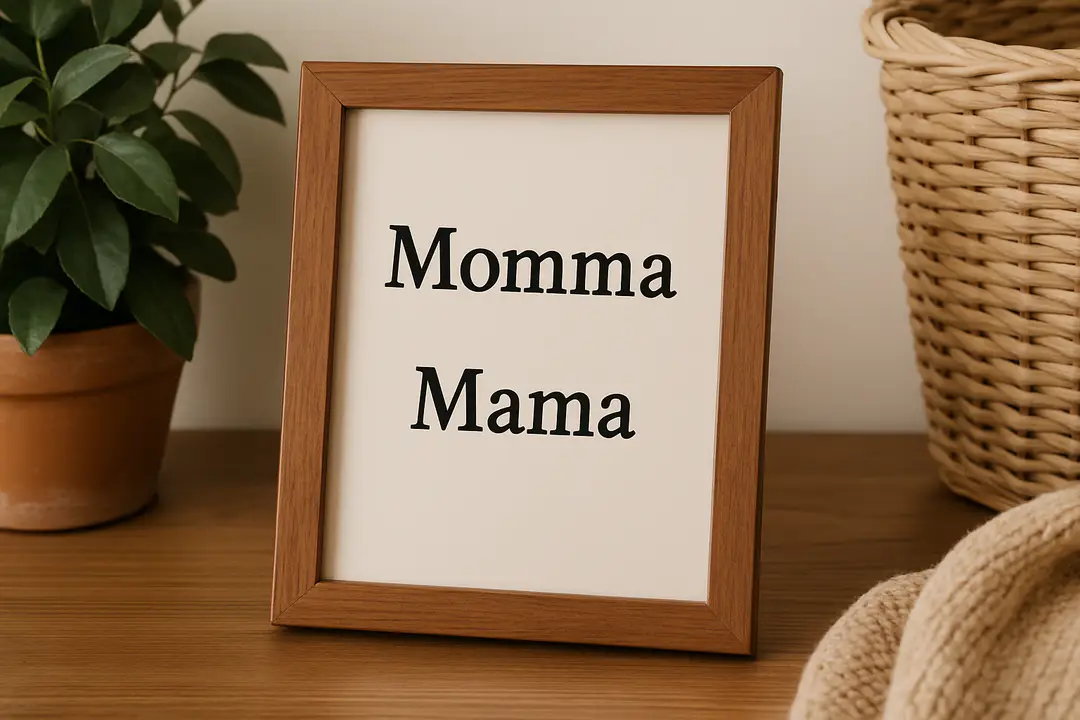

Ever noticed how a simple word can carry mountains of emotion, especially when it’s your name for that special person in your life. Moms hear “mom,” “momma,” or “mama” all the time, yet decision between “momma or mama” often hides deeper feelings and traditions. We usually focus on what feels natural but skip over how regional accents or family history shape that choice. Have you ever wondered why some homes say “momma” while others say “mama,” and what it really means for your bond?
In short, the answer lies in language roots, personal style, and the moments that turn a simple nickname into a lasting memory. By examining sound patterns and family stories, you can see how a small change sparks big feelings. Knowing this side of the story helps you pick a nickname that fits your family’s chapter and keeps surprises to a minimum. That insight can guide your choice, boost your confidence, and help you feel more connected every time you speak that name.
Why Nicknames Matter
Nicknames go beyond labels. They frame the roles we play in family life. When a child says “momma” instead of “mom,” it can feel softer, more playful. Over time, that tone shapes memories and trust in your relationship.
Calling your mother “mama” might evoke warmth from your own childhood or hint at roots in another region. A nickname can signal closeness at family gatherings. It offers comfort on rough days and joy on good ones. That simple shift in sound can open doors to deeper connection and understanding of each other’s history.
Practical tips: pay attention to how your loved ones naturally speak. Notice if they slide into certain sounds as a habit. Check in with older family members about how they were called. These small clues can help you honor family ties.
Cultural Origins
Every culture builds its own soundscape for caretaker names. The choice between “momma” or “mama” often comes down to regional speech patterns and native languages. For example, in the American South, the extra “m” in “momma” rolls off the tongue with a drawl. In parts of East Asia, the shorter “mama” follows the rhythm of local dialects.
A quick look at many languages shows how parent names evolve. This table highlights key differences:
| Language or Region | Common Term | Notable Trait |
|---|---|---|
| American South | Momma | Drawled, soft vowel |
| North America English | Mama | Short, crisp sound |
| Spanish-speaking | Mamá | Accent on second syllable |
| Russian | Mama | Simple tonal pattern |
These variations mirror other spelling debates we see in English. Understanding the roots can spark respect for different family traditions and help you choose a form that reflects your background.
Tone And Context
Even small sound shifts can change tone. Saying “mama” might feel light and playful. Saying “momma” can sound homespun or vintage. Context shapes how each form lands. A quick hug before nap time calls for a softer sound. A joke at dinnertime might use a bouncier tone.
Practical tip: match the tone to the moment. If you want calming vibes, try “momma” with a slow drawl. For excitement, use “mama” in a quick, bright way. Notice your child’s reaction. Their smile or giggle can tell you which feels best.
This approach mirrors how writers fine-tune voice to suit a scene. Just as editors weigh wording choices in usage in writing, you can test sounds to find your perfect match. Keep it natural. Let the moment guide your lyric.
Choosing Your Preference
Picking a nickname for your mom or child can be simple if you follow clear steps. Here is a playbook to help:
- Listen First: Tune in to how people naturally say it in your circle.
- Test Short Versions: Try “ma,” “mom,” “mama,” and “momma” in different settings.
- Get Feedback: Ask siblings or friends which feels warmer or more fun.
- Consider Tradition: Check family history or culture for clues.
- Make It Yours: Once you find one that clicks, use it consistently.
After a week of trials, note which gets smiles or softens tough moments. That reaction shows you where emotional impact lies. When your world feels busy, a well-chosen nickname can anchor your bond and give you a daily dose of comfort.
Teaching Your Child
Once you settle on “momma” or “mama,” share the story behind your choice. Kids love a good origin tale. You might mention how grandma used “momma” at bedtime or how “mama” came from a family across the ocean. That context makes the word richer.
Use games to lock in the nickname. Write it on a chalkboard, sing it in a rhyme, or draw a picture of your family and label each member. This playful practice turns learning into bonding time. Kids absorb names faster when they feel part of the process.
Practical tip: praise them when they use the new nickname. A simple “Good job, mama says?” encourages a smile and solidifies usage. Soon, the word becomes a sweet habit that feels as natural as a hug.
Conclusion
Choosing between “momma or mama” is more than a vocabulary choice. It carries echoes of where we come from and where we hope to go as a family. By exploring cultural roots, testing tones, and sharing stories, you can land on a name that feels just right.
That small decision becomes a thread that runs through bedtime routines and morning greetings. The right nickname can deepen trust, spark joy, and remind everyone of the unique bond you share. So take a moment, listen to your heart and heritage, and pick the word that will carry your love forward.
Now that you’ve seen the playbook, try it in your home. You might find that one extra “m” or a shorter vowel is exactly what you need to wrap your family in warmth every day.


