
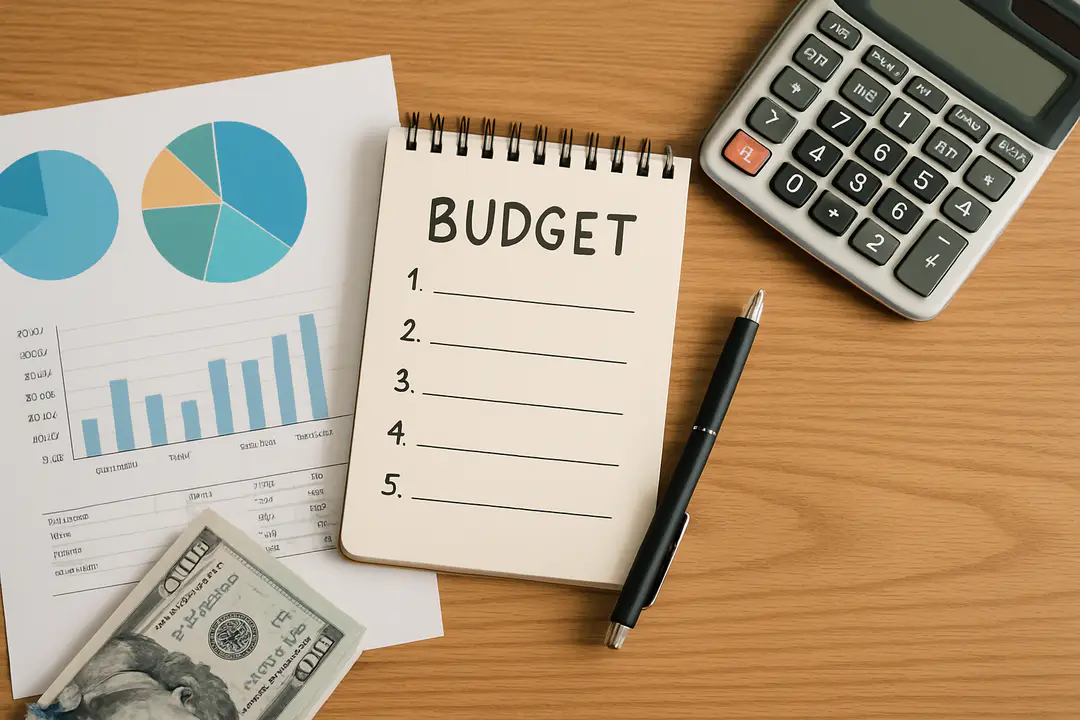

We all know budgeting is the backbone of smart money management. Yet too often we overlook how small, flexible categories shape our daily spending. When we lump every expense into one bucket, subtle overspending can slip through the cracks. That loose end can leave us scrambling at month’s end. So how can you spot those hidden leaks before they sink your plan?
The key is to split your budget into fixed and flexible parts and review them weekly. This simple step shines a light on odd patterns and helps you adjust in real time. Understanding this split not only keeps your goals on track, but also prevents unpleasant surprises. With clear categories, you’ll make choices with confidence rather than guesswork.
Why Budget Matters
Setting a budget gives you a clear picture of your money journey. It helps you see where every dollar goes instead of letting expenses run free. When you track and plan your spending, you avoid nasty surprises like missed bills or overdraft fees. A budget also reduces stress by creating a sense of control over your finances. Knowing where money stands each month frees up mental space for other priorities.
Besides peace of mind, budgets drive better decision making. They make it easier to choose between wants and needs by forcing you to compare priorities. Over time, you spot trends in your spending and adjust before small habits become big problems. This steady feedback loop turns budgeting into a growth tool rather than a chore. You end each period with insights instead of regrets.
Another benefit is progress toward goals. Want to save for a trip, a new car, or to clear debt? A budget sets clear targets and shows how far you’ve come. It breaks large goals into monthly or weekly milestones. Celebrating each step keeps motivation high and makes big dreams feel real.
Finally, budgets support long-term success. They encourage you to build an emergency fund and invest in your future. When you see how saving grows over time, it becomes easier to stick to a plan. This habit of consistent saving and reviewing builds wealth and confidence that lasts for years.
Allocating Categories
Creating a budget means dividing your expenses into clear categories. Broadly, these fall into fixed costs like rent and subscriptions, and flexible costs like dining or entertainment. You also want a savings category for goals and emergencies. This simple split gives a big picture view without too much detail. Keeping it basic yet clear makes your budget easy to follow.
Fixed expenses cover bills you pay regularly. Think rent or mortgage, car payments, and streaming services. Since these are stable, plan for them first when you set your monthly plan. Paying these on time lets you focus on the rest without stress. Automating fixed payments also cuts down on late fees.
Flexible costs include everything else you spend on day to day needs and wants. For instance, groceries often vary based on sales or seasonal prices like current chicken prices. And if travel is on your radar, you need a budget line for trips after comparing domestic vs international flights. By tracking these categories separately, you can see where you overspend and where you can trim back. Small adjustments here add up faster than you realize.
Finally, set a savings category for emergencies and goals. Aim to save a set percentage of income before you touch the rest. This makes saving a non-negotiable expense rather than an afterthought. Adjust each category as bills or habits change to keep the plan realistic. Regular tweaks ensure your budget grows with your life.
Tracking Your Expenses
Once your categories are set, the real work is tracking what you actually spend. You can go old school with a notebook or modern with spreadsheets. Both work if you stick with it. The key is consistency and honesty in logging every cost. Without accurate tracking, your plan is just a guess.
A spreadsheet offers flexibility and control. You can list dates, amounts, and categories in columns and watch totals update automatically. Many personal templates are available online to get you started. Color coding makes it easy to spot which categories burn most of your cash. Seeing the numbers laid out pushes you to stay accountable.
Apps on your phone add an extra layer of convenience. They sync with your bank and credit cards to pull in transactions. You get real-time updates and alerts when you approach limits. If you need more breathing room, consider boosting income through side gigs like part-time work for young earners. Extra income helps balance tight months and speeds up your savings goals.
No matter which tool you choose, set a daily or weekly check-in routine. Spend five minutes reviewing new expenses and updating your records. If a purchase doesn’t fit a category, adjust or add a line item. Making this a habit prevents data pileup and errors. Over time, this habit turns tracking into a quick, routine task.
Staying on Track
Budgeting consistently is partly discipline and partly design. You need a plan that reflects real life, not an idealized spending pattern. Rigid budgets that don’t allow any flexibility often fail. By building in small buffers for unexpected costs, you’re less likely to feel deprived. This mix of structure and breathing room keeps you motivated.
Slip-ups happen, and that’s okay. If you overspend on dining or entertainment, adjust your next week’s plan or borrow from a buffer category. Some people use an envelope system where cash for each category helps restrict spending. Others set alerts on their bank app when they hit 80 percent of a category limit. These tactics pull you back before you exceed your budget entirely.
Automation also helps maintain discipline. Set up recurring transfers to savings and automatic bill payments to cover fixed costs. Use app notifications to warn you when you’re close to a limit. These reminders act like guardrails that keep you from veering off track. They reduce the need for willpower by making good habits automatic.
Finally, celebrate progress in small ways. If you meet your grocery budget for a week, treat yourself to a simple reward like a coffee out. Just keep it within your flexible budget so you don’t erase the win. Recognizing small successes builds momentum. Over time, these wins fuel confidence and make budgeting feel rewarding instead of restrictive.
Reviewing and Revising
A budget isn’t set in stone; it’s a living document that needs regular checkups. At the end of each month, compare your actual spending to your plan. Look for categories that consistently overshoot or underspend. This review shows you which parts of your budget are realistic and which need work.
If you notice that dining out always exceeds the plan, consider lowering the limit or reallocating funds. Alternatively, if a category consistently comes in under budget, shift that surplus to savings or another goal. Small tweaks help refine the process until your budget mirrors your lifestyle accurately. The goal is continuous improvement, not perfection.
Life changes such as pay raises, new subscriptions, or shifting priorities mean your budget must evolve too. When bills change, update the fixed category. When you plan a big purchase, boost the savings line temporarily. Regular updates keep your budget aligned with your real-world needs and ambitions.
Finally, set fresh goals each quarter or year. Maybe you want to pay off a credit card faster, start investing, or save for a big trip. Incorporate these targets into your budget review process. Revisiting and revising your budget turns it into an active tool for growth and achievement.
Conclusion
Building and sticking to a budget is one of the smartest things you can do for your money. It transforms anxiety into clarity and gives purpose to your spending. When you see each category come together, you feel in control. This feeling of empowerment makes the work worthwhile.
Through allocating categories, tracking every expense, and staying flexible, you create a system that works with you rather than against you. Automated tools and simple habits cut down on friction. Regularly reviewing your plan ensures it stays relevant as life changes. You’ll find yourself making decisions with confidence.
Remember, budgeting is not a punishment. It’s a roadmap to achieving what matters most, whether that’s freedom from debt, a rainy-day fund, or the vacation of your dreams. Treat each small win as a milestone. They add up faster than you might expect.
Now it’s your turn. Set aside time this week to draft or revise your budget using these steps. Make this plan yours and watch how it transforms your relationship with money. The journey starts now, and every step brings you closer to financial peace.


