
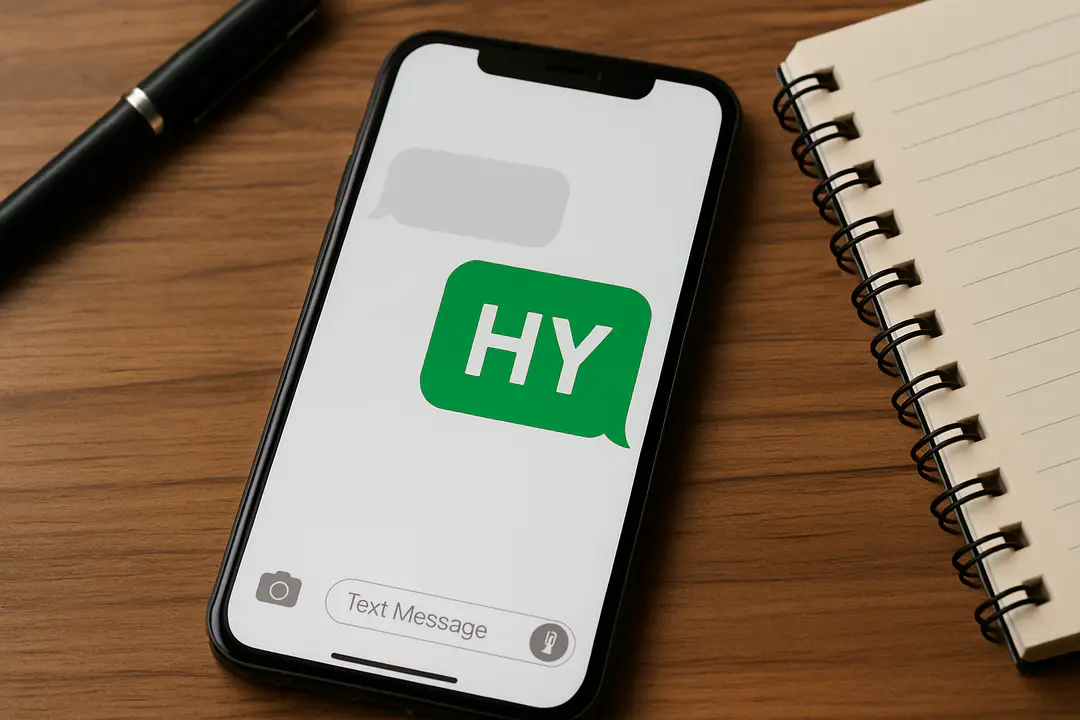

Ever scrolled through your messages and paused at a simple “hy”? We all know acronyms like LOL and BRB, but sometimes the shortest strings pack the vaguest punch. That tiny combo of letters often leaves people wondering if it’s a typo or a new slang entry creeping into our chats. What exactly does hy mean, and why does it leave us guessing its real message?
At its core, hy stands for a quick, casual greeting—essentially a stripped-down version of “hi” or even “hey you.” Grasping this nuance helps you reply with confidence, avoid awkward pauses, and keep conversations flowing. Understanding hy meaning can make you feel more in tune with your friends and prevent those little texting hiccups that stall a chat.
Common Chat Slang
When texting moves at light speed, shorter greetings rise to the top. Hy joins a family of quick hellos that fuel daily chatter. You might see:
- hi – the classic opener
- hey – a casual, friendly wave
- yo – informal and urban-flavored
- sup – shorthand for “what’s up?”
- hy – brief, modern hello
Hy can feel more clipped than hi and less laid-back than hey. It’s a quick knock on the digital door. People often favor hy in group chats where speed rules and tone is light. It’s perfect when you don’t need flair—just a fast checkpoint to say you’re there.
Practical tip: Match the chat’s energy. If everyone’s dropping quick tags, hy fits right in. In more formal spaces, stick to the full “hi” or “hello.”
Origins and Trends
Slang evolves alongside technology and social platforms. Hy likely surfaced on fast-paced messaging apps where screen space is a premium. Early smartphone users discovered every tap counts. Over time, hy spread across platforms like Instagram DMs, WhatsApp, and Discord.
Influencers and teen groups helped fuel it. When a few trendsetters adopt a shorthand, it snowballs. Soon you see hy in Twitter threads and comment sections. It’s quick to type and stands out among longer words.
Trend watchers note that hy pops up more in text-only spaces compared to voice or video calls. On platforms without voice layers, every keystroke matters. If you want to stay on trend, keep an eye on chat streams—new acronyms can emerge overnight.
Pro tip: Follow a few popular chat forums or Discord servers. Observe new shorthand in action before trying it yourself.
Hy vs Other Greetings
| Greeting | Length | Tone | Usage |
|---|---|---|---|
| hi | 2 chars | Neutral | All settings |
| hey | 3 chars | Casual | Friends, informal |
| yo | 2 chars | Informal | Urban, youth |
| hy | 2 chars | Modern casual | Fast group chats |
This quick comparison shows hy’s sweet spot: two letters, low fuss, casual tone. It’s less formal than hi but more universally friendly than yo. Use the table to pick the right opener for any chat.
Remember: context rules. If you need to make a good first impression, type out “hello” instead.
Avoiding Misunderstandings
Short slang can backfire if your reader misreads your intent. A friend might think hy is a typo or question your mood. Just like exploring the down bad meaning, context can shift your message drastically.
Tip: Pair hy with an emoji or follow-up question. For example, “hy 😊” or “hy, are you free?” That little extra cue prevents confusion. And if you see other acronyms flying around, understanding the BSF meaning or similar slang sharpens your overall chat skills.
Practical check: If someone doesn’t reply, don’t assume offense. Ask for clarification. It’s better than letting a simple hy derail your conversation.
Pros and Cons
Like any slang, hy has its ups and downs. On the plus side, it speeds up typing and feels fresh. It shows you’re up on current chat trends. But it can feel too curt in some circles and even look like a mistake to new contacts.
Pros include:
- Fast to type
- Cool, modern vibe
- Suits group chats
Cons are:
- Potential confusion
- Perceived as lazy
- Not always professional
Think about your audience. If you’re buzzing through memes with friends, hy shines. For strangers or formal threads, stick to more robust greetings.
Workplace Chat Usage
Work chats demand a bit more polish. Overly brief greetings can seem brusque. While rapid-fire messages keep the workflow moving, you still want to appear approachable.
Tip: Use hy sparingly and pair it with context: “Hy team, saw your draft—looks great!” That way you blend speed with clarity. If you’re messaging a manager or client, choose “hello” or “hi everyone.”
Practical tip: Save hy for internal, casual channels like Slack social threads. Monitor reactions—if people respond well, you’re on safe ground.
By matching your greeting to the setting, you’ll maintain professionalism without sacrificing efficiency.
Conclusion
Mastering hy meaning unlocks a tiny yet powerful tool in your texting arsenal. By knowing when and how to use it, you’ll keep chats moving smoothly and avoid those small but annoying miscommunications. Remember to adapt to context, pair hy with clarifying cues, and watch your audience’s reaction. Before you know it, you’ll be the one setting new slang trends—one two-letter greeting at a time.


