
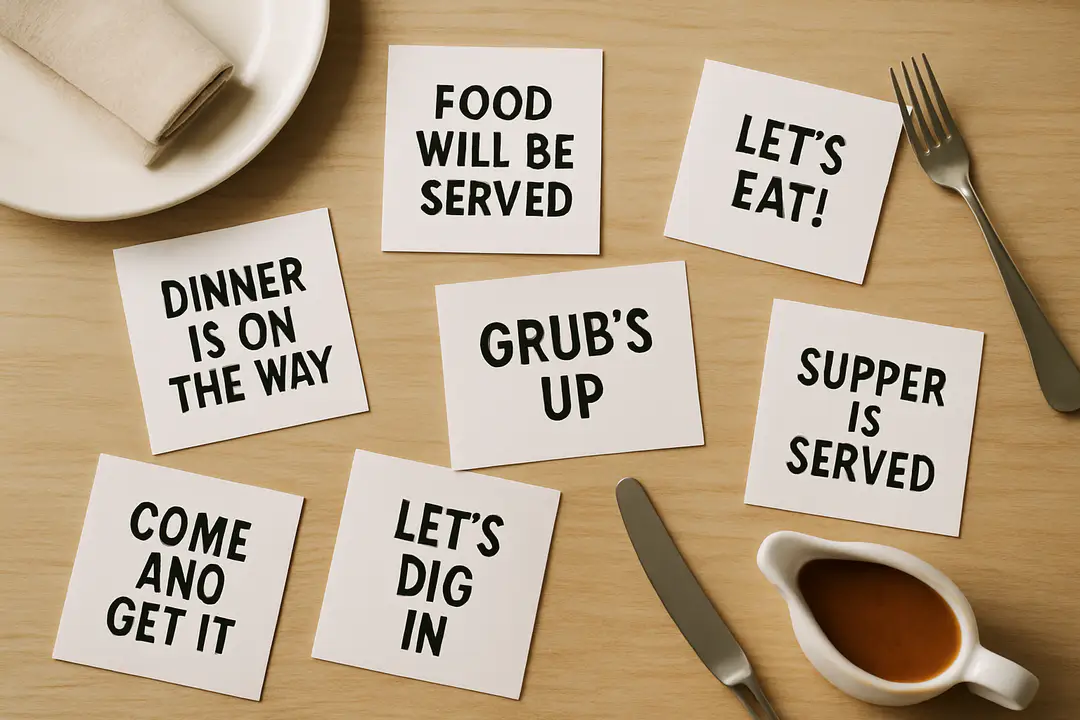

Inviting guests to a meal can set the tone before a single dish appears on the table. Yet, we often default to the bland phrase “food will be served.” That simple line misses a chance to build excitement and warmth. How can we invite people to dine without sounding dull or routine?
By choosing vivid wording and a touch of creativity, you can turn an ordinary notice into a personal invitation. Understanding this subtle art helps you spark appetites and engagement before the first bite. Guests notice the effort in your language and feel more welcomed and valued. This preparation can lead to a smoother event and happier attendees.
Direct Invitation Phrases
When you want to be clear and friendly, direct invitation phrases work wonders. Open with a warm request like “Please join us” and add a tasty detail to set the mood. For example, “Please join us for a fresh farm-to-table dinner this Saturday.” This style leaves no question about time, place, or the fact that a meal awaits.
To make direct phrases more inviting, consider adding a hint of personality. Swap “food” for “homemade treats,” “family-style spread,” or “chef’s special selection.” You could say, “Join us for a homemade Italian feast.” That small tweak paints a clearer picture and feels more personal. When guests know what to expect, they are more likely to RSVP promptly.
Another practical idea is to reference a highlight. If your event revolves around one dish, mention it upfront. Try “Come taste our slow-roasted brisket” or “Be first to try our new summer salad.” Drawing attention to a star menu item builds interest. Guests love knowing about a special feature before showing up.
Keep it short. Aim for one or two lines in an email or invite. Long blocks of text can feel heavy. A brief, upbeat sentence makes your announcement easy to scan. That clarity helps busy readers take action quickly.
Finally, don’t forget to include RSVP details right after your scented wording. A clear call to action like “RSVP by Friday” or “Let me know if you can make it” keeps responses organized. When you combine a friendly invitation with precise info, guests feel guided instead of left guessing. This direct style means you spend less time managing details and more time enjoying the gathering.
Menu Sneak Peek
Teasing your menu items adds excitement even before guests arrive. When people know what’s on offer, they can plan around dietary needs and build anticipation. A peek at a few signature dishes or a special dessert can boost interest and attendance.
Studies show that sharing one or two menu highlights can increase engagement by up to 20%. While this stat may vary by event type, it’s a good rule of thumb to mention your best dishes. If you are hosting a buffet, list a few crowd favorites. For plated meals, feature the main course and an irresistible dessert.
Here’s how to give a simple menu preview:
- Fresh strawberry shortcake with whipped cream
- Herb-crusted salmon with lemon dill sauce
- Vegetarian quinoa salad with roasted vegetables
- Decadent chocolate lava cake
A clear preview helps guests decide if the meal fits their tastes. It also reduces last-minute questions about ingredients and allergies. Tip: keep descriptions short but vivid. Words like “zesty,” “creamy,” or “handcrafted” spark the imagination.
Bonus tip: if you have multiple stations or courses, break your sneak peek into sections. For example, label appetizers, entrees, and desserts. This structure helps guests parse information and builds layered excitement. Consider grouping items under simple headings like “Starters” or “Sweet Treats.”
Theme-Based Announcements
Tying your food announcement to an event theme instantly makes it more memorable. A tropical luau, holiday party, or wine-tasting night can guide your wording and create a cohesive vibe. When guests see a theme, they start planning attire and mindset in advance.
Begin by naming your theme clearly. If you host a “Mediterranean Night,” follow up with a matching description: “Join us for a Mediterranean feast under string lights.” The pairing of theme and food suggestion invites guests into a mini experience, not just a meal.
Next, weave in sensory details. Mention the warm spices of a Moroccan spread or the smoky aroma of a backyard grill. These touches bring your theme to life in words. When you paint a clear sensory picture, people can imagine the scene and get excited about participating.
Practical tip: use theme-related props or images in your digital invite. A simple pineapple icon or grapevine border goes a long way online. If you send a printed card, choose matching colors or textures that hint at your menu. Visual cues and words together create a strong, inviting message.
Finally, clarify any theme-specific expectations. If it’s potluck style, note which dish categories guests should bring. If you are supplying everything, assure attendees by saying “no need to bring anything.” Clear guidance prevents confusion and keeps your theme on track.
Storytelling Teasers
Creating a mini-story around your meal can add drama and delight. Storytelling teasers engage emotions and spark curiosity. You might share a brief anecdote about why you chose a family recipe or the journey behind a menu item.
For example, start with “Last summer, my grandmother taught me how to fold perfect dumplings.” Then continue, “I can’t wait to show you her secret twist at our dinner next Friday.” These two lines connect a personal tale with an invitation to taste a piece of history.
Stories can highlight local ingredients too. If you buy fresh produce from a farmer’s market, mention the grower’s name and the market’s vibe. Saying “picked this morning at Sunset Farm” brings freshness to your words. Guests feel they are part of a small community and share in a real experience.
Data shows that people remember stories up to five times better than facts alone. By adding narrative, your invitation stands out and sticks in memory. Practical tip: keep your story under three sentences. A short, vivid snapshot is often more effective than a long monologue.
Wrap up your teaser with a direct link to the event details. A line like “Be there to taste the magic” moves your story into action. This blend of narrative and clarity can make even a simple potluck feel like a grand occasion.
Interactive Station Callouts
Interactive food stations serve as both a meal format and a conversation starter. Calling out these stations in your announcement can excite guests who enjoy hands-on experiences. Think taco bars, build-your-own salad counters, or pasta stations.
Clear station callouts help guests plan their arrival and dietary needs. For example, “Join us at the taco bar featuring fresh toppings and house-made salsas.” Or “Swing by the seafood grill where we’ll serve the day’s catch.” And if your menu is outdoors, you might tie in local experts like fishing guides thunderonthegulf who inspired your fresh fish station.
Here are a few station ideas to announce:
- Taco Bar with soft corn tortillas
- Interactive Pasta Toss booth
- Build-Your-Own Salad Counter
- DIY Sundae Ice Cream Bar
Each station title and brief note clarifies what guests can expect. When people know they can customize their plate, they arrive curious and ready to mingle. Plus, mentioning a hands-on setup sets the right casual tone for your event.
To make announcements smoother, include timing details if stations open at different times. You could write, “Stations open at 6:00 PM sharp.” This helps guests plan seating and mingling without missing their favorite station.
Informal Social Prompts
Sometimes, the most engaging invites feel like friendly chat. Use casual, social media–style language to let guests know when and what you’re serving. Phrases like “Who’s up for pizza night this Friday?” work for small groups and group chats.
To keep it fresh, tag the host or location in your post and add a fun emoji or two. For example, “Get ready for a taco 🌮 takeover at my place!” This real-time approach feels spontaneous and relatable. When a message lands in chat rather than a formal invite, people are more likely to reply quickly.
If you plan a craft activity alongside the meal, you can even embed inspiration links. For instance, while teasing a DIY dessert station, you might mention table decor ideas from fun crafts thunderonthegulf. A quick link gives guests a visual taste of what to expect.
Practical tip: post your prompt 24 hours before the event for maximum buzz. Likewise, a gentle reminder a few hours before can reduce no-shows. Keep messages short, upbeat, and open-ended to invite questions or menu suggestions.
These informal prompts work best with friends and close colleagues. They break down formal barriers and make the announcement part of the fun. Plus, when people respond in a group chat, the excitement becomes contagious.
Conclusion
Announcing that food will be served doesn’t have to be a bland formality. With the right phrasing—whether direct, thematic, or story-driven—you can set expectations and build excitement. Sharing menu highlights, teasing personal stories, or promoting interactive stations all serve to draw guests in and make your gathering feel special.
By tailoring your message to the style of your event and the preferences of your guests, you improve clarity and attendance. Don’t forget to match your invite tone to your menu theme, add simple details for planning, and include a clear call to action. Small touches in your wording can have a big impact on the overall success of your event.
Next time you send an announcement, take a moment to choose wording that reflects your personality and menu vision. A creative phrase can turn a routine update into a memorable invitation. In the end, when guests arrive excited and informed, you spend less time explaining and more time enjoying the moment together.
Whether you are hosting a casual potluck, a themed dinner party, or an upscale reception, the way you tell guests about the food matters. Use these creative approaches to craft announcements that fit your event goals. You’ll see better RSVPs, smoother planning, and more genuine enthusiasm at the table. After all, the journey to the first bite starts with the words you choose.


