
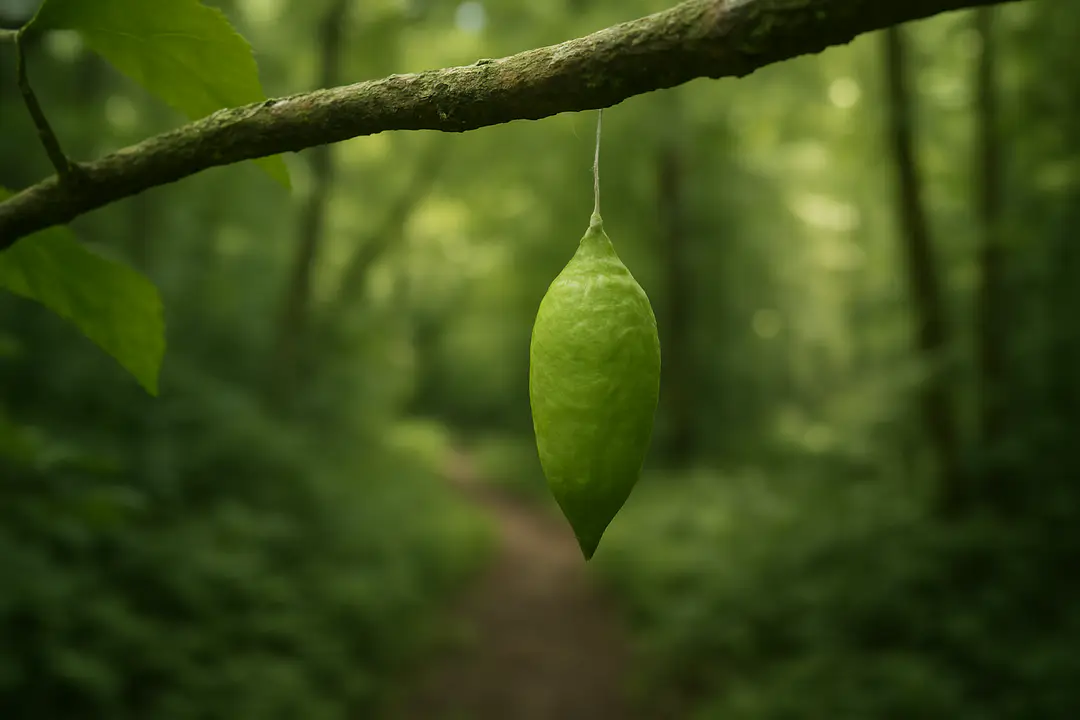

You’ve probably watched caterpillars munch on leaves, but few of us pause to admire their protective silken home. That cocoon stage hides a complex process of silk layering that often goes unnoticed. One tiny misstep in the structure can leave the pupa vulnerable to predators. Yet most guides skip over how temperature and silk properties interact. Have you ever wondered how a caterpillar weaves such a precise silk shell without any instruction?
Understanding that hidden weaving process shines a light on nature’s finest engineering. It helps gardeners know when to step back and when to offer gentle support. It guides educators to set up clear observation windows without harming developing insects. By seeing how each thread aligns, readers can prevent surprises later in the metamorphosis cycle.
Formation of Silk Shell
Caterpillars begin building a cocoon when they are ready to change. They crawl up to a secure spot and attach silk pads. These pads hold the entire structure in place. Next, the caterpillar releases silk from glands near its mouth. This liquid silk hardens as it meets air.
The caterpillar uses its back bristles and head movements to wrap the silk in loops. It forms a dense mesh that keeps predators out. Some silk threads appear shiny while others look dull. Silk color can range from white to golden brown depending on species. For example, silk from the silkworm moth is prized by humans for its sheen.
Indoor rearing kits often provide sticks for the caterpillars to anchor. In the wild, leaves or branch joints work just as well. Humidity and temperature change how silk dries during spinning. A cold environment slows the process and may cause gaps. A warm, dry breeze speeds up hardening and can crack finer threads.
By studying silk structure, we learn about natural engineering. Each species has a unique silk pattern and strength. Researchers are looking at synthetic uses inspired by these threads.
It is interesting to compare wild species. Some build loose shelters while others create hard protective shells. The swallowtail caterpillar, for instance, makes a silky button to hold itself upside down. That button serves as the start of its cocoon.
Metamorphosis Stages Explained
Inside a cocoon, a caterpillar will transform dramatically. Cells break down in a process called histolysis. New structures form through histogenesis. It leads to entirely new shapes and organs.
Stages include:
- Pre-pupal preparation
- Pupation
- Tissue reorganization
- Adult differentiation
After pupation completes, adult traits begin to appear. Wing buds grow and harden. Eyes and antennae form in distinct positions. The process takes days or weeks. Timing depends on species and temperature.
During these stages, internal enzymes break down old muscles. They reshape cells into new muscle and wing tissue. Hormones like ecdysone regulate transitions. Without proper timing, wings might not expand fully. If humidity is off, the adult can become deformed.
For clarity on terms such as pupa and chrysalis, it helps to review guides on correct word formation and sound. A natural language resource can shed light on how these names developed. You can follow a detailed guide to pronunciation for related terms. This makes field notes more precise.
Observing Cocoons Safely
Watching the cocoon stage demands care. Touching too much can damage the silk shell or disturb the pupa. Use soft gloves or a clean tool when you need to move a cocoon. Always support the base of the shell.
Keep a simple log of date, temperature, and humidity. This helps you spot trends in development and timing. A small notebook near your observation area can record daily changes. Sharp changes in weather can delay the hatch time.
Try to limit direct sunlight on fresh cocoons. Harsh rays can overheat the pupa. A gentle shade cloth works well. At night, you can open vents to let in cool air.
If you notice mold or rot, it may be best to remove the cocoon. Mold often signals excess moisture. Let air flow freely around the site to keep things dry.
Observing without disturbing builds trust with nature. Over time, you learn subtle signs of readiness. That experience is valuable for any hobbyist or educator.
Backyard Butterfly Habitat
Creating a butterfly habitat starts with host plants. Milkweed, parsley, and fennel are common choices for many species. Group these plants in clusters to make cover. Observing caterpillars in green spots is easier this way.
Plant native flowers for nectar sources near the host zone. Butterflies need energy after they emerge. Plants like coneflowers, zinnias, and lantana provide rich nectar. A mix of tall and low blossoms keeps them coming back all day.
Include a shallow water source or damp sand patch. Butterflies often sip on wet soil for minerals. A dish with pebbles partially filled with water works well. Change the water daily to avoid mosquitoes.
A small fence or net can keep curious pets at bay. Ring your plant area gently to let butterflies come in and out. This keeps cocoons and adults safe. Over time, you’ll see a steady increase in butterfly visits.
Seeing a butterfly feed and later spin a cocoon is rewarding. Your garden becomes a living classroom. It also supports local pollination and biodiversity.
Protecting Cocoons Outdoors
Outdoor cocoons face many threats. Birds, wasps, and small mammals may try to tear into the shell. Even heavy rain can wash away anchoring pads. You can take steps to guard each pupa.
| Threat | Protection |
|---|---|
| Bird pecking | Use fine mesh covering |
| Parasite wasps | Place cocoons in ventilated cage |
| Weather damage | Shield with a small roof |
It helps to employ strategies for combating threats in a gentle way. For example, keep mesh openings small enough to block wasps but allow air flow. A few hours each day in partial shade will reduce mold growth.
Regular checks without touching the cocoon are best. Look for wet spots or discolored silk. Address those signs with a gentle brush or cloth. If a cocoon falls, move it to a protected spot immediately.
By taking these simple steps, you give the butterfly inside a fair chance. Each safe emergence is a small victory.
Conclusion
The cocoon stage is more than a quiet rest for a caterpillar. It is a complex engineering feat involving silk chemistry, environmental cues, and precise timing. By understanding the weaving of silk, the hidden metamorphosis stages, and careful observation techniques, you become a better steward of these delicate creatures. Setting up a butterfly-friendly habitat and knowing how to protect cocoons outdoors ties each lesson back to real action. With a simple mesh cover, the right plants, and frequent notes, you can watch nature’s cycle unfold in your own backyard. Every cocoon you care for is a lesson in patience and design. So prepare your space, brush up on silk science, and join the quiet marvel of a butterfly breaking free from its silken shell.
Watching a cocoon you’ve protected hatch into a vibrant butterfly is a moment of pure wonder. It reminds us how small actions can support big changes in nature. Whether you are an educator guiding a class, a gardener seeking beauty, or simply curious, these steps bring you closer to a hidden world. Embrace the chance to learn from a creature that spins its own shelter and emerges renewed.


