

Being a chef means more than cooking delicious meals each day. Most discussions focus on recipes and techniques, but the unseen world of kitchen operations plays a huge role too. From timing to team coordination, these details make or break a service. Have you ever wondered why many chefs struggle with balancing creativity with the daily grind of kitchen operations?
By looking at the hidden mechanics behind every dish, you can learn how to streamline processes and avoid last-minute surprises. Understanding this side of the kitchen builds confidence before you step behind the stove and helps you plan effectively. In the end, this knowledge leads to better plates, smoother services, and happier teams.
Defining the Chef Role
At its core, a chef leads every part of kitchen life. They design menus, test recipes, and manage timing so orders leave on schedule. A chef also enforces quality control, ensuring each plate matches the restaurant’s standards. This role blends creative flair with strong management skills.
In many kitchens, the head chef acts like a conductor. Each station becomes an instrument, and the chef coordinates timing so elements arrive together. They track inventory, adjust orders on the fly, and train new cooks. It is a demanding job that requires endurance and close attention to detail.
In larger operations, roles branch out. Sous chefs serve as second-in-command, stepping in when the head chef is away and ensuring stations run smoothly. Pastry chefs focus on desserts and baked goods, sometimes running an entire separate section. Specialist chefs for sauces, grills, or sushi demonstrate how diverse the title can be. Each path needs its own skill set and mindset.
Knowing which path fits your goals makes a difference. You might thrive in pastries, where precision is key, or find your calling at the grill, handling high heat and fast pacing. Early exposure to different stations builds a broad understanding and helps you refine your specialty later.
Essential Kitchen Skills
Mastering basic skills lays the foundation for every chef’s success. These core abilities support speed, safety, and creativity, whether you run a café kitchen or a fine-dining restaurant.
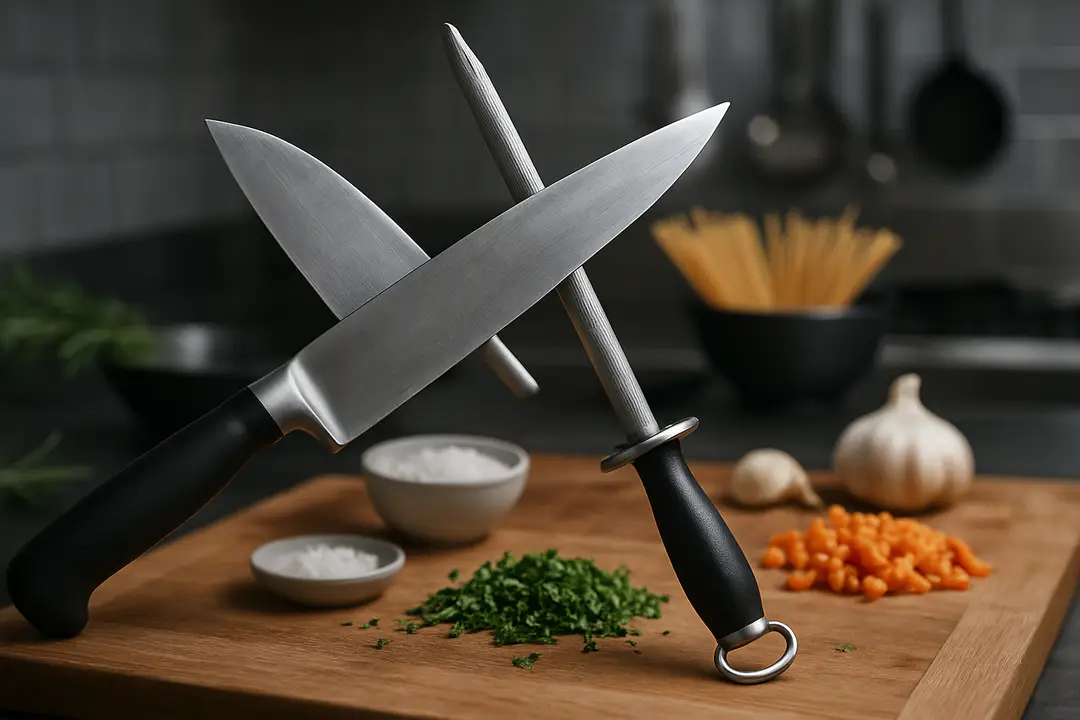
- Knife Handling: Learn cuts like chiffonade, julienne, and brunoise to prepare ingredients uniformly and safely.
- Cooking Techniques: Practice methods such as sautéing, roasting, poaching, and braising to build a versatile skill set.
- Temperature Control: Understand heat levels and doneness. A simple probe thermometer prevents overcooked or undercooked dishes.
- Timing and Organization: Mise en place—having all prep done before service—keeps you calm during rushes.
- Food Safety: Memorize basic rules: keep raw and cooked foods separate, store at correct temperatures, and maintain clean workstations.
Regularly revisiting these essentials helps you stay sharp and consistent under pressure. Many chefs credit their calmest services to strong fundamentals.
Tools and Equipment
The right gear makes your work smoother and more enjoyable. While fancy gadgets catch the eye, a few key tools truly matter for everyday use.
| Tool | Purpose | Tip |
|---|---|---|
| Chef’s Knife | All-purpose cutting | Invest in a quality blade and keep it sharp. |
| Sauté Pan | Searing and sauces | Choose a heavy-bottomed pan for even heat. |
| Thermometer | Check doneness | Probe styles work best for meats. |
| Cutting Board | Prep surface | Use separate boards for raw proteins and veggies. |
When budgeting for gear, checking average dish prices like those at a popular chain can help you estimate cost needs. For example, a quick look at local menu pricing reveals how ingredient costs translate to customer prices.
Menu Planning Tips
Planning a menu blends creativity with practicality. You want dishes that excite guests and keep costs under control.
- Research Trends: Visit local markets, scan food blogs, and watch social media to spot rising ingredients.
- Seasonal Ingredients: Use produce at its peak for the best flavor and lower costs.
- Balance Offerings: Include a mix of proteins, vegetarian options, and varying price points.
- Cost Calculations: Factor in ingredient waste, portion sizes, and labor when setting menu prices.
- Test and Refine: Run specials or tasting events to gather feedback before finalizing.
Clear planning prevents last-minute menu changes that stress the team and disappoint diners. A well-thought-out lineup ensures smooth service and happy customers.
Growth and Challenges
As you progress, you’ll face both rewarding gains and tough hurdles. Building a reputation for consistency takes time and dedication. The kitchen environment can be hot, fast, and high-pressure, testing your physical and mental limits.
Professional growth might include moving up from line cook to sous chef, then head chef, and maybe executive chef. Along the way, certifications such as ServSafe or guidelines from agencies like the Centers for Disease Control and Prevention, explained in detail at public health resources, play a critical role in ensuring safe operations.
Networking also matters. Working under different mentors and in varied kitchens exposes you to new techniques and management styles. Staying open to feedback helps you adapt and refine your leadership approach.
Remember that every challenge builds resilience. Facing a packed dining room on opening night or troubleshooting a broken piece of equipment becomes a story you’ll share with pride once you’ve mastered it.
Conclusion
Becoming a chef requires more than passion for food. It demands strong organization, clear communication, and constant learning. By focusing on both your creative side and the operational details, you set yourself up for success on every shift.
Whether you’re just starting or looking to refine your skills, remember that each dish tells a story of preparation, teamwork, and problem-solving. Embrace the challenge, stay curious, and let the rhythms of the kitchen guide you. You’ll find that as you hone your craft, you inspire others and create memorable moments one plate at a time.


