
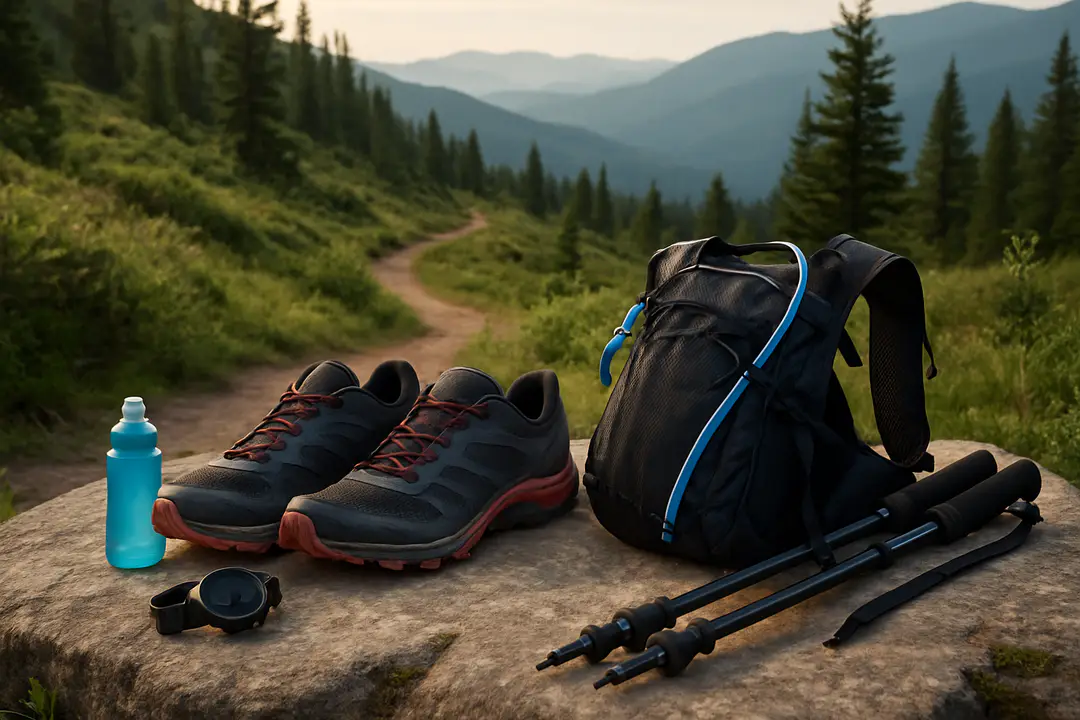

Hill running is more than a weekend hobby for many of us. It pushes mind and body beyond flat roads. Yet one part that often stays in the background is route planning before you lace up. How can a runner truly master route planning to avoid surprises on the trail?
By diving into maps, GPS tools, and local trail intel, you can set up safe, fun hill runs. Knowing elevation profiles, trail types, and weather trends turns a random run into a confident adventure. This insight helps you choose gear, pace yourself, and stay on track.
Picking the Right Shoes
Your feet bear the brunt of uphill and downhill. Trail running shoes make a real difference. Here are ten top picks that balance grip, cushioning, and durability.
- Salomon Speedcross 5
- Brooks Cascadia 16
- Hoka Speedgoat 5
- La Sportiva Bushido II
- Altra Lone Peak 6
- Merrell Trail Glove 6
- Inov8 Terraultra G 270
- ASICS Gel-Fujitrabuco 9
- New Balance Summit K.O.
- On Cloudventure Peak
When choosing shoes, try them on after a run or late in the day when feet swell. Look for good traction on loose or wet terrain. And break them in on shorter runs before racing.
Essential Gear Checklist
Beyond shoes, you need layers, protection, and safety tools. A lightweight pack, moisture wicking layers, and a durable shell are key. Don’t forget headlamp, whistle, and basic first aid supplies.
Smartphone apps help track progress and share live location. Many runners use apps for route mapping and terrain data, similar to how football coaches study strategy via specialized web pages. Gear weight adds up quickly, so test each item on a training run before packing it for a long day.
Hill Training Strategies
Building strength and endurance for hills takes focused workouts. Start with hill repeats: run uphill at a steady effort for 30 seconds, then jog down for recovery. Repeat 6 to 8 times after a warm up.
Include long slow distance runs at a comfortable pace on rolling terrain. Add stair climbs or treadmill inclines if you lack hills nearby. Rest days and easy runs help muscles adapt and prevent injury. Track progress by noting pace and heart rate on similar routes over weeks.
Hydration and Nutrition
Fuel and fluids keep you moving uphill. Here is a quick look at common hydration systems.
| System | Capacity | Weight | Best For |
|---|---|---|---|
| Hydration Pack | 1.5 to 3 L | 200 to 400 g | Long runs, remote routes |
| Bottle Belt | 0.5 to 1 L | 150 to 250 g | Medium runs, fast pace |
| Handheld Flask | 0.5 L | 100 to 150 g | Short runs, speed work |
Pair fluids with easy to digest carbs. Energy gels, bars, and fruit work well. Start sipping early, about every 15 minutes. Test foods and drinks on training runs, not on race day.
Tech Tools for Tracking
Modern hill runners lean on GPS watches and apps to measure pace, elevation, and recovery. Top picks include Garmin Fenix 7, COROS Apex, and Suunto 9. Many of these devices sync with sports analytics platforms for deeper insights.
- Garmin Fenix 7 for multi sport modes
- COROS Apex for long battery life
- Suunto 9 for build quality
- Polar Grit X for training plans
- Apple Watch Ultra for versatility
Compare metrics like VO2 max, elevation gain, and training load. Integrating data from these tools can reveal trends in performance and recovery.
Planning Race Travel
Races often require travel, and logistics can add stress. Look at timing for shuttles, gear check rules, and altitude differences. When booking your trip, weigh flight options. Research how domestic vs international flights affect layovers and cost.
Arrive a day early to adjust, especially for elevation changes. Pack a small day bag with essentials in case luggage is delayed. Check local weather and trail conditions a week before departure.
Conclusion
Mastering hill running blends smart planning with the right gear, steady training, and solid fueling. By focusing on route prep, you avoid surprises and enjoy every climb. Shoes that fit, tools that track, and a simple nutrition plan can make a tough effort feel smoother.
Next time you head out, review your checklist, test equipment, and trust your data. Whether tackling a new peak or racing a local hill event, a thoughtful approach turns tough trails into rewarding challenges. Lace up, stay curious, and keep climbing.


