
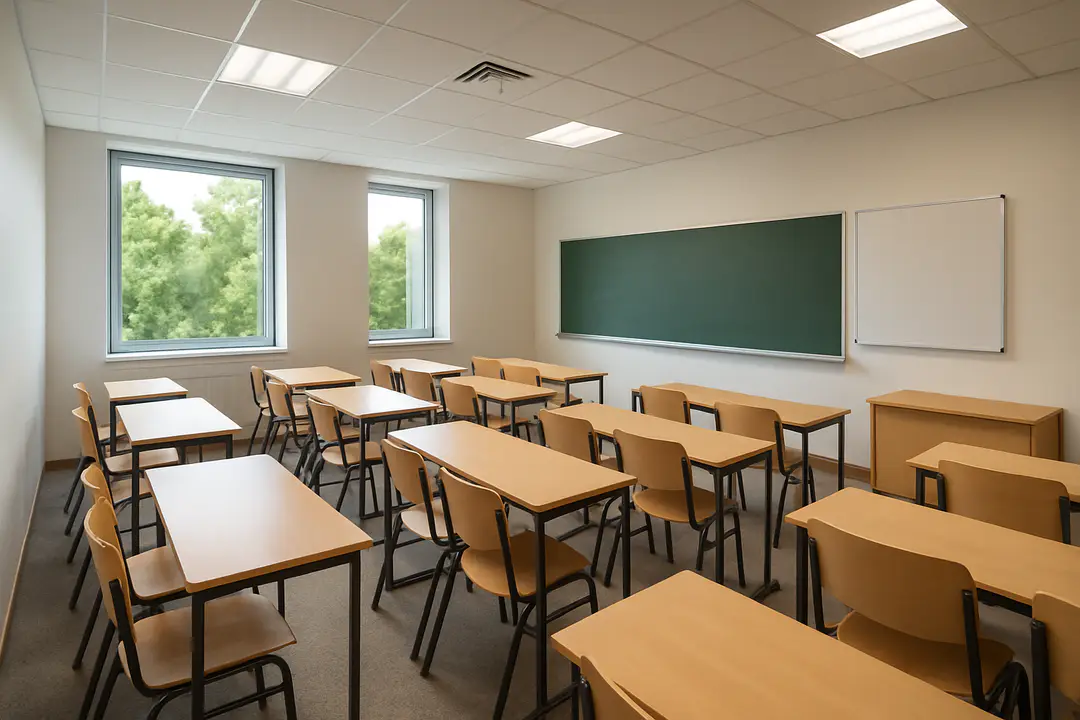

Managing a classroom of thirty students can feel like steering a ship through choppy waters. We focus a lot on curriculum and resources, but often overlook how seating and space design shape student behavior and learning. Have you ever wondered why some 30-student classes seem calm and engaged while others struggle with restlessness and noise?
Choosing thoughtful layouts and using proven management strategies can transform the 30x environment into a dynamic learning space. Understanding these design and behavioral elements helps you make informed choices that boost focus, minimize disruptions, and set the stage for stronger academic outcomes.
Class Size Impact
A group of thirty students brings both energy and noise. Research shows that as class size grows, opportunities for individual attention drop by up to 30 percent. Yet, it’s not just a numbers game. Factors like acoustics, lighting, and movement patterns play a big role in engagement and behavior.
Practical tip: Position desks so students face the front but also allow for easy pivoting toward peers. One study found that horseshoe arrangements in a 30-person class boosted peer collaboration by 18 percent compared to traditional rows. Also, use portable sound-absorbing panels near noisy corners. These panels reduce echo and keep voices at a conversational level rather than a shout.
Data point: In a large urban school, classes under 30 averaged a 75 percent on-task rate, while properly organized 30-student rooms reached an 82 percent on-task rate after layout changes. Remember, adequate spacing between desks—around three feet—reduces elbow bumps and distractions. Think beyond just fitting chairs; map zones for quiet work, group projects, and teacher-student check-ins to break up the room into clear functional areas.
Layout and Design
Design isn’t just about aesthetics—it shapes behavior. In a 30x setting, a flexible layout helps you manage discussions and movement. Instead of fixed desks, try clusters of four or five for group tasks, with space for the teacher to circulate.
Practical tip: Use color-coded rugs or tape to mark zones: blue for silent work, green for group talks, red for presentations. Students naturally follow visual cues and respect boundaries when they’re clearly defined.
Light is crucial. Natural daylight near windows can improve focus by 12 percent. If your classroom lacks windows, install full-spectrum LED bulbs. They mimic daylight and reduce eye strain during long lessons.
Furniture choice matters too. Lightweight, stackable chairs let you quickly shift from lecture mode to circle time. Invest in foldable tables for pop-up workshops. And don’t forget storage bins on wheels to corral supplies and keep walkways clear.
Tip: Do a quarterly walk-through from a student’s eye level. What obstacles block sight lines? Where do foot traffic jams occur? Small tweaks—like moving a bookcase or adding a standing desk—can improve flow and reduce off-task behavior in a busy 30-student environment.
Engagement Tools
Keeping thirty minds active takes more than lectures. Digital tools, when chosen well, give every student a chance to participate. For example, interactive math tools let students solve problems on their tablets, while the teacher monitors progress in real time.
Another tip: use game-based quizzes at the end of each lesson to recapture fading attention. Platforms like JoinMyQuizz let you create short challenges where students earn badges and compete in friendly teams. This injects energy and provides immediate feedback on understanding.
Data shows game-based learning can increase information retention by up to 20 percent. In a 30-student setting, you can split the class into six groups of five. Each group collaborates on quiz questions, then presents their reasoning. This structure pushes every student to engage rather than hide at the back.
Tip: rotate devices. If you have limited tablets or laptops, schedule stations—one for video demonstrations, another for real-time polling, and a third for peer review. This rotation keeps momentum and prevents tech bottlenecks.
Behavior Management
An organized behavior plan turns chaos into cooperation. Start the year by co-creating class norms. When thirty students help set rules, they feel responsible for upholding them.
Practical tip: post a simple chart with three key expectations. For example: speak respectfully, raise hands before speaking, and keep space tidy. Use a visible tracker to reward groups that follow these norms twice in a week. Positive reinforcement often beats penalties.
Another strategy is student leadership roles. In a 30x room, assign roles like materials manager, tech helper, and line leader. Rotate these weekly. Each student owns part of the daily routine, cutting down on off-task chatter and giving everyone a sense of purpose.
Tip: When issues arise, address them privately. Pull aside one or two students for a quick chat rather than calling out behavior publicly. This preserves dignity and allows for honest conversation about expectations.
Assessments and Feedback
Formative assessments guide your next lesson. In a 30-student class, you need quick methods to gauge understanding without grading a mountain of papers overnight.
Steps to follow:
- Plan a short exit ticket: three quick questions or a one-minute reflection.
- Collect responses digitally or on colored index cards.
- Scan answers on the spot and group them: mastered, partly there, needs review.
- Use the grouped data to plan the next day’s mini-lessons.
This process takes under fifteen minutes but informs your strategy for the next class. Tip: share group results visually on the board—students see where the class stands and feel motivated to improve.
Peer feedback also works well. Pair students randomly and give them a rubric to evaluate each other’s work. This saves your time and helps them learn to critique constructively. When managed right, peer review boosts critical thinking and ownership over learning in larger classes.
Size Comparison
Seeing a side-by-side view highlights trade-offs between a 30x room and smaller settings. Below is a quick comparison:
| Aspect | Classroom 30x | Classroom 15x |
|---|---|---|
| Teacher-Student Ratio | 1:30 | 1:15 |
| Individual Time | 5–7 mins per student | 10–12 mins per student |
| Noise Level | Higher without planning | Lower by design |
| Group Work Options | More diverse groups | Fewer perspectives |
| Resource Sharing | Critical rotation needed | One resource per two students |
While smaller classes simplify one-on-one time, they can limit peer diversity and rich discussions. In contrast, a well-managed classroom of thirty offers varied viewpoints and dynamic teamwork.
For contrast, settings like classroom 15x reduce complexity but also cut down on collaborative depth. The key is balancing size with strong design and clear routines.
Effective use of space, technology, and behavior plans makes even a full 30x room feel manageable and vibrant.
Conclusion
Optimizing a classroom of thirty students means planning more than lessons. It starts with thoughtful layouts that carve out zones for focus, collaboration, and presentations. Pair those designs with clear behavior norms and rotating leadership roles to build ownership and respect.
Next, integrate engaging tech like interactive tools and quiz platforms to keep energy high. Use quick formative assessments and peer feedback to pinpoint learning gaps before they grow. Finally, view larger classes as opportunities for richer discussions and diverse teamwork rather than hurdles.
By applying these strategies, you turn potential chaos into a lively hub of learning. You’ll see more on-task behavior, deeper collaboration, and stronger outcomes. Embrace the challenge—your classroom 30x can become a place where every student thrives.


