
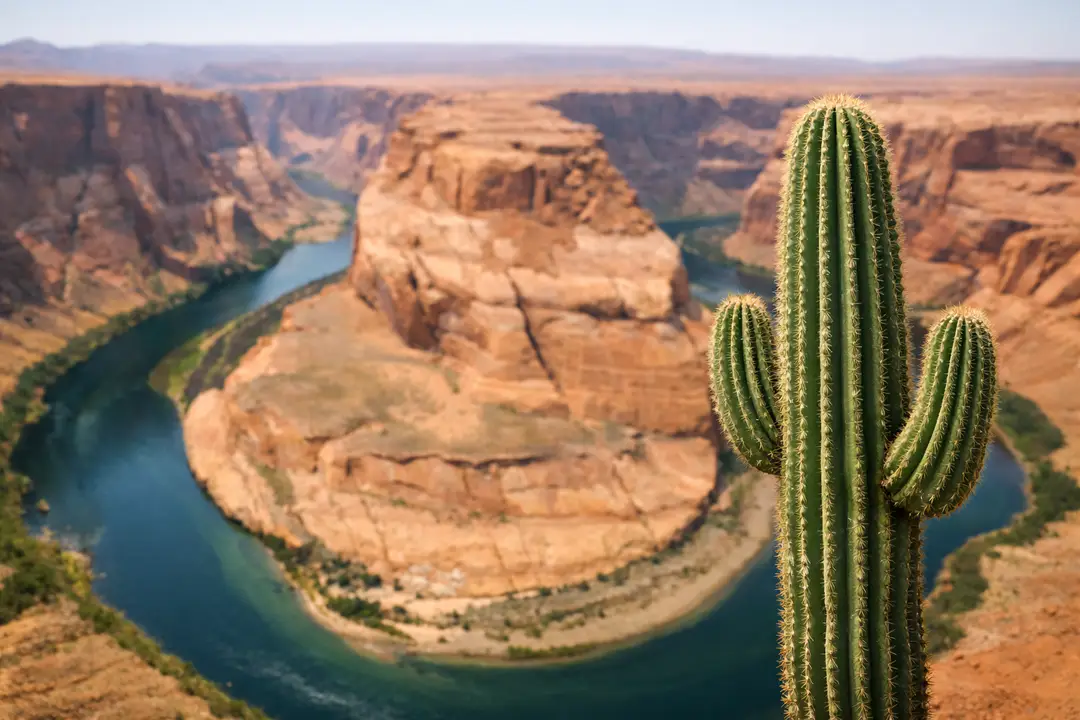

From sci‑fi badlands to lighthouse-lined coasts and small towns older than the country itself, the U.S. is packed with unusual attractions that don’t fit neatly into the usual “top 10” lists. The problem is choosing what’s actually worth the detour—especially if you’re building a road trip itinerary and don’t want to waste a day on something that looks better online than in real life.
This list rounds up unique places to see in America that deliver strong scenery, standout history, or straight-up quirky museums—without requiring expert-level planning. I prioritized places with memorable “signature” experiences (a scenic drive, a boardwalk, a wildlife loop, or iconic photo spots), plus practical logistics like nearby towns, where to base yourself, and how long you’ll want. Expect options for photographers, hikers, history buffs, and families—many are classic, but each has a twist that feels off the beaten path.
How to Use This List (Quick Map + Trip Types)
Think of this as an A–Z-style sampler across regions: pick 2–4 places that cluster, then stitch them into a long weekend or a 7–10 day route. Most entries below are easy to pair with a national park or state park nearby, so you can mix big landscapes with small-town food stops and unusual attractions.
- Best for a 3–4 day escape: Choose one region (New England, Southwest, Rockies/Plains, Pacific).
- Best for a 7–10 day road trip itinerary: Combine 2 regions connected by a scenic drive (ex: Black Hills + Badlands).
- Best for families: Prioritize boardwalks, wildlife viewing, and short hiking trails.
- Best for photographers: Build around sunrise scenic overlooks and blue-hour lighthouse shots.
Keeping a simple trip memory log (notes + a few favorite photo spots per day) makes it easier to plan your next loop without repeating the same stops.
Unique Places to See in America — By Region (The List)
1. Acadia National Park, Maine – Iconic Coast + Fast Payoff Hikes
What it is: A rugged Atlantic-coast national park known for granite peaks, carriage roads, and sunrise views over the ocean. It’s also one of the top 10 most visited U.S. national parks, so it’s popular for a reason—and still easy to make feel like a hidden gem if you time it right.
- Best time to visit: Late May–June for long days; September for cooler weather and fewer crowds.
- Why go / highlights: Park Loop Road scenic drive, Ocean Path, Jordan Pond, and classic coastal photo spots near Sand Beach.
- Practical tips: Base in Bar Harbor; ride the Island Explorer shuttle in peak season to reduce parking stress.
Best for: First-time Maine visitors who want maximum scenery with short hiking trails.
Quick tip: Start before 8 a.m. for quieter scenic overlooks—midday traffic is real.
2. Badlands National Park, South Dakota – Sci‑Fi Landscapes + Bighorn Sheep
What it is: A sharply eroded landscape of ridges, spires, and striped rock formations that reads “other planet” in photos. Badlands National Park is famous for its sci‑fi like terrain and is a solid bet for bighorn sheep sightings along the road.
- Best time to visit: April–May or September–October (summer heat can be intense).
- Why go / highlights: Badlands Loop Road scenic drive, early/late light at the main scenic overlooks, and quick hikes like Door/Window.
- Practical tips: Fill up gas before entering; services inside are limited. Pack more water than you think.
Best for: Road-trippers who want dramatic views without long hike commitments.
Quick pro: Sunrise is calmer and cooler—great for photos and wildlife movement.
3. Custer State Park, South Dakota – The 18‑Mile Wildlife Loop Road
What it is: A Black Hills state park that feels like a full safari day—minus the airfare. Its headline experience is the 18-mile Wildlife Loop Road, where you can often spot bison, pronghorn, prairie dogs, and more from your car.
- Best time to visit: May–June for green hills; September for crisp air and fewer RV crowds.
- Why go / highlights: Wildlife Loop Road, Needles Highway (another scenic drive), Sylvan Lake, and straightforward hiking trails with big payoff.
- Practical tips: Keep distance from bison (they’re faster than they look). Consider a campground stay for pre-dawn wildlife viewing.
Best for: Families and wildlife lovers who want an easy, unforgettable loop.
Quick comparison note: If you’re choosing between Badlands and Custer, do both—Badlands for geology, Custer for animals and forests.
4. Cape Cod (Barnstable, Sandwich, Woods Hole) – Small Towns + Lighthouse Coasts
What it is: A classic New England peninsula that’s more diverse than many visitors expect: beach villages, maritime history, and ferry-town energy. Make time for Barnstable and the cluster of small towns where the “Cape” vibe is at its most walkable.
- Best time to visit: June (warm-up season) or September (best mix of weather and breathing room).
- Why go / highlights: Harbor walks, fresh seafood shacks, and iconic light house photo spots along the coast.
- Practical tips: Visit Sandwich (est. 1639) for historic sites and an easy town-stroll day; use Woods Hole for ferry connections and ocean views.
Best for: Couples and families who want beach time plus history.
Quick tip: Park once and walk—Cape traffic can eat your day in peak summer.
5. Hyannis & Hyannis Port, Massachusetts – Coastal Americana + Easy Day Trip Base
What it is: A lively Cape Cod hub where you can mix harbor scenery, classic Main Street wandering, and nearby beaches without constant car-hopping. Hyannis has the most “basecamp” convenience, while Hyannis Port is a quieter detour for coastal views and historic context.
- Best time to visit: Late spring for lighter crowds; early fall for warm water and calmer streets.
- Why go / highlights: Waterfront strolls, boat tours, and low-effort photo spots at sunrise and golden hour.
- Practical tips: Book ferries/boat tours early in summer weekends; pack a wind layer—Cape breezes are no joke.
Best for: Travelers building a Cape loop that includes Sandwich and Barnstable.
Quick pro: Lots of dining options—handy when weather shifts and you pivot plans.
6. Adirondacks, New York – Big Wilderness Without the National Park Crowds
What it is: A huge upstate New York region of lakes, mountains, and forest hamlets—ideal if you want a “deep nature” feel while still having towns to refuel. The Adirondacks can feel off the beaten path compared to more famous Northeast mountain destinations, especially midweek.
- Best time to visit: Late September–early October for fall color; February for winter sports (if you’re prepared).
- Why go / highlights: Scenic overlooks, paddling lakes at sunrise, and hiking trails ranging from short viewpoints to High Peaks challenges.
- Practical tips: Cell service can be patchy—download maps. Bring layers; weather swings quickly.
Best for: Hikers and campers who want a strong wilderness payoff without one “must-do” line.
Quick tip: Choose one lake town as your base and build day loops to avoid constant packing.
7. Antelope Canyon, Arizona – Slot Canyon Light Beams (Guided Only)
What it is: A narrow, wave-like slot canyon on Navajo Nation land, famous for sunbeams and sculpted sandstone walls. It’s not a national park, but it’s one of the Southwest’s most photogenic unusual attractions—especially if you like chasing light.
- Best time to visit: Late March–early October for higher sun angles; midday tours for stronger beams (when conditions line up).
- Why go / highlights: Surreal textures, constant “how is this real?” photo spots, and short walking distance for huge visual reward.
- Practical tips: Tours sell out—book ahead. Bring a lens cloth; sand is everywhere.
Best for: Photographers and first-timers in Page, AZ.
Quick con: It can feel crowded; pick the earliest available slot for a calmer experience.
8. Bonneville Salt Flats, Utah – Minimalist Landscapes + Surreal Driving Views
What it is: A vast salt pan that looks like an infinite white floor when dry, and a mirror when lightly flooded. It’s one of those places where the “scenic drive” to get there is part of the fun—big sky, long horizons, and a sense of scale you don’t get in cities.
- Best time to visit: Late summer–early fall for drier conditions; winter/spring can be wet and reflective (beautiful, but messy).
- Why go / highlights: Abstract photo spots, sunset color gradients, and a genuinely weird “no landmarks” feeling.
- Practical tips: Don’t drive onto wet salt (you can get stuck and damage the crust). Bring water and sunglasses.
Best for: Road-trippers who love stark, unusual scenery.
Quick pro: It’s a short stop that feels huge—perfect as a “wow” break between cities.
9. Mammoth Hot Springs (Yellowstone), Wyoming – Boardwalks Over Living Geology
What it is: A Yellowstone area where travertine terraces form step-like shapes that change color and texture over time. You’ll walk a boardwalk system and viewpoints that make it easy to see fragile features without impacting them.
- Best time to visit: May–June for shoulder-season balance; September for calmer roads and crisp mornings.
- Why go / highlights: Terraces that look almost architectural, easy-to-access scenic overlooks, and frequent wildlife sightings in nearby meadows.
- Practical tips: Stay on boardwalks—thermal ground can be thin. Start early to avoid parking bottlenecks.
Best for: Families and geology-curious travelers who want big visuals with minimal hiking.
Quick tip: Pair with a short drive to Lamar Valley for classic Yellowstone wildlife viewing.
10. Chaco Culture National Historical Park, New Mexico – Remote Ruins + Dark Skies
What it is: A cluster of monumental ancestral Puebloan great houses set in a wide, quiet desert landscape. This is a historic site that feels genuinely off the beaten path—partly because the last stretch of road can be rough, and partly because it’s far from the usual Southwest circuit.
- Best time to visit: April–May and September–October for comfortable temperatures.
- Why go / highlights: Massive stone architecture, long sightlines, and legendary night skies for astrophotography.
- Practical tips: Check road conditions; consider higher clearance. Bring more food/water than usual—services are limited.
Best for: History buffs and travelers who like remote landscapes with meaning.
Quick pro: Campground on-site = unbeatable stargazing convenience.
11. The Wave (Coyote Buttes North), Arizona/Utah – Permit-Only Hike for Pattern Lovers
What it is: A famous sandstone formation with flowing lines and color bands—like the rock version of modern art. Access is limited via a permit lottery, which keeps the hike feeling more like a hidden gem than a stampede (even though it’s widely known).
- Best time to visit: Spring and fall for cooler hiking conditions.
- Why go / highlights: Striking patterns, fewer people than most iconic Southwest stops, and endless composition options for photos.
- Practical tips: Navigation matters—download maps and carry a GPS/offline app. No shade: bring serious sun protection.
Best for: Confident hikers who plan ahead and want solitude.
Quick con: Permits are competitive; have a Plan B (like nearby slot canyons or scenic overlooks).
12. Marfa, Texas – Desert Minimalism + Quirky Art Energy
What it is: A small West Texas town where contemporary art, wide-open desert roads, and odd local legends collide. It’s a rare combo: a tiny place with outsized cultural pull, plus the kind of empty-road scenic drive that makes you feel far from everything.
- Best time to visit: October–November or March–April for mild days and cool nights.
- Why go / highlights: Art spaces, minimalist architecture, open desert photo spots, and the famous “Marfa Lights” viewing area.
- Practical tips: Lodging fills on event weekends—book early. Plan fuel stops; distances are long out here.
Best for: Travelers who like unusual attractions and small towns with character.
Quick pro: Great add-on if you’re already looping through Big Bend region.
Quick Comparison Table (Top Picks at a Glance)
| Place | Type | Signature experience | Effort level | Suggested visit length |
|---|---|---|---|---|
| Acadia National Park, ME | national park | Park Loop Road scenic drive + short hikes | Easy–Moderate | 2–4 days |
| Badlands National Park, SD | national park | Sci‑fi overlooks + bighorn sheep spotting | Easy | 1–2 days |
| Custer State Park, SD | state park | 18-mile wildlife loop road | Easy | 1–3 days |
| Cape Cod (Sandwich/Barnstable), MA | small towns + coast | Lighthouse photo stops + historic streets | Easy | 2–5 days |
| Chaco Culture NHP, NM | historic sites | Remote ruins + dark skies | Moderate (logistics) | 1–2 days |
Quirky Museums & Unusual Urban Spots (Fast, Fun Add-Ons)
If your trip needs a “break day” from driving and hiking trails, plug in one of these quirky museums or unusual attractions. They’re also great rainy-day backups.
- International Cryptozoology Museum (Portland, Maine): A playful, well-curated stop for Bigfoot lore and oddball exhibits—perfect if Acadia weather turns moody.
- Museum of Bad Art (near Boston, Massachusetts): Exactly what it sounds like, in the best way. A quick visit that’s surprisingly memorable.
- City Museum (St. Louis, Missouri): Part playground, part art installation—great for families and anyone who likes interactive spaces.
- Salvation Mountain (near Slab City, California): A colorful, folk-art landmark in the desert—excellent for bold photo spots (bring sun protection).
When you’re hunting for more oddities in your exact route, remember that Atlas Obscura catalogs 12,327 “cool and unusual things to do” in the United States—handy for filling gaps between major stops.
Practical Tips: When to Go, Getting Around, Safety
Timing: plan around heat, crowds, and light
- Best time to visit desert parks: spring/fall for safer hiking and better sleep.
- Coastal New England shines in June and September (good weather, fewer peak-summer issues).
- For photo spots, build days around sunrise scenic overlooks (cooler temps, softer light, easier parking).
Getting around: build your days around one “spine” route
- Choose one main scenic drive per day, then layer short stops (boardwalks, viewpoints, quick trails).
- Download offline maps for remote areas (Adirondacks, Chaco, desert routes).
- Keep a flexible “weather swap” option (museum or town day) so you don’t force a miserable hike.
Safety: wildlife, heat, and roads
- Wildlife: In places like Custer’s wildlife loop, stay in your vehicle and give animals space.
- Heat: In Badlands/Southwest stops, carry extra water and start early.
- Road conditions: Remote historic sites may involve rough roads—check alerts and don’t assume your rental car is a good idea on every route.
Sample 7–10 Day Road Trip Itineraries (Steal These)
Option A: New England Coast + Small Town History (7 days)
- Day 1: Arrive Boston area → evening in Sandwich (historic walk, early night).
- Day 2: Barnstable + Hyannis waterfront day; sunset at a lighthouse photo spot.
- Day 3: Woods Hole morning → ferry/harbor wandering → back to Hyannis base.
- Day 4: Drive to Maine coast; overnight near Bar Harbor.
- Day 5: Acadia National Park: Park Loop Road + short hiking trails.
- Day 6: Acadia sunrise → Jordan Pond → chill afternoon in Bar Harbor.
- Day 7: Return travel day with a few scenic overlooks en route.
Option B: South Dakota “Geology + Wildlife” Loop (5–7 days)
- Day 1: Arrive Rapid City → sunset drive in Badlands.
- Day 2: Badlands Loop Road scenic drive + short hikes.
- Day 3: Transfer to Black Hills; evening wildlife loop in Custer State Park.
- Day 4: Needles Highway + Sylvan Lake; optional campground night.
- Day 5: Second pass on the Wildlife Loop Road at sunrise → depart.
Option C: Southwest Surreal Landscapes (8–10 days)
- Day 1: Fly into Las Vegas or Phoenix → drive toward Page, AZ.
- Day 2: Antelope Canyon tour + nearby overlooks.
- Day 3: Drive toward Utah; sunset at Bonneville Salt Flats (if routing fits) or other desert photo stops.
- Day 4: Buffer day for weather + scenic drive day.
- Day 5: Apply/use permit day for The Wave (or Plan B hike).
- Day 6: Drive to New Mexico.
- Day 7: Chaco Culture day trip + evening stargazing.
- Day 8: Return via small towns and scenic overlooks; add an extra day if you want slower pacing.
FAQ: Unique Places to See in America
What’s the easiest “off the beaten path” place on this list?
Custer State Park is easy logistically (roads, services) but still feels wild thanks to the wildlife loop. If you want remote, Chaco Culture feels truly off-grid—just plan the road and supplies.
Which stops are best for short hiking trails with big views?
Acadia and Badlands are the best “quick payoff” combo: short trails, frequent scenic overlooks, and lots of variety in a single day.
How do I find more unusual attractions near my route?
Search by the town you’re sleeping in, not just the big destination. That’s where you’ll find quirky museums and odd roadside stops that turn a basic drive into a memorable day.
Wrap-up: Your Best Picks by Travel Style
If you want iconic nature with smart infrastructure, start with Acadia National Park (base in Bar Harbor) and build days around the Park Loop Road scenic drive. For a quick-hit landscape that feels like another planet, Badlands National Park delivers huge views and bighorn sheep potential with minimal effort. If wildlife is your priority, Custer State Park is hard to beat—its wildlife loop is a ready-made adventure.
Prefer coastal small towns and historic sites? Build a Cape route through Sandwich (est. 1639), Barnstable, Woods Hole, plus time in Hyannis and Hyannis Port for classic seaside wandering and lighthouse photo spots. And if you’re collecting truly unusual attractions, keep an eye on remote options like Chaco—or add a quirky museum day to balance the driving. For travel-day planning on the road, a quick skim of a simple guide to handy digital tools can help when you’re mapping routes on spotty service.


