
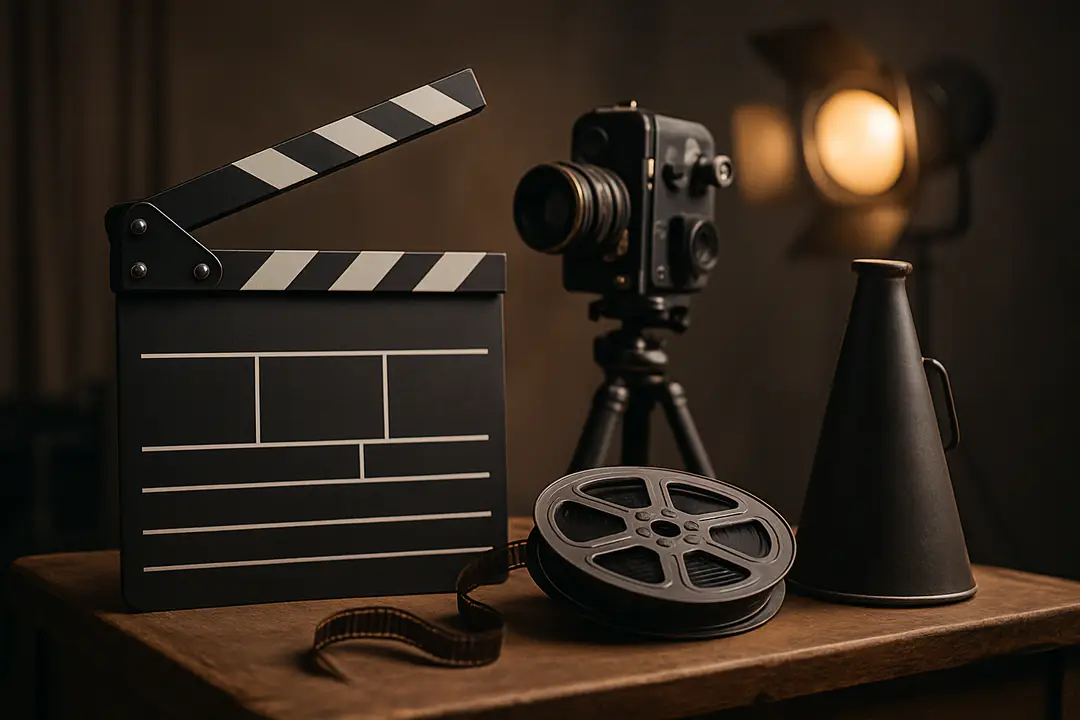

Ever notice how “that’s a wrap” signals the end of a shoot or meeting, yet many of us use it without thinking about where it comes from. The phrase plays a key role in film sets, wrapping up days of work smoothly, but its origins often get overlooked. Most people focus on the excitement of finishing, not the story behind the words. We slide it into chats, emails, and social media without pause. But have you ever wondered why it marks the close rather than the start?
It actually dates back to early movie studios, where clarity and timing on set mattered most. Understanding this history can help you use the phrase in the right setting—be it a team meeting or a birthday party—so your message lands correctly. With that insight, you’ll avoid awkward moments and gain confidence in dropping those few golden words at just the right time.
Phrase Origins Explained
The phrase can be traced back to the early days of cinema in the 1920s. Studio heads needed clear signals so cast and crew would know a day’s shoot was over. They borrowed “wrap” which was slang for finishing a piece of work, likely from British shipping or tailoring. Wrapping up meant to bundle or close something completely. That direct meaning fit perfectly on set.
By the 1930s and 1940s, “that’s a wrap” appeared in call sheets and radio patterns for sound stages. It gave directors a no-mistakes sign that cameras, lights, and action could stop and no scenes were left unshot. Early documentation shows studio secretaries typing memos with instructions like “Record wrap time at 6 pm.” Writers and technicians loved its brevity and strength. Soon, marketing materials also featured it to build excitement.
Over time, this concise phrase crossed out of studios and into newsroom copy, press kits, and home videos. Nonfilmmakers heard it in interviews, TV shows, and radio broadcasts. They picked up the phrase as a way to seal any project or event. The clear end marker felt energetic and professional.
Today the term sits in dictionaries as part of film jargon, but it proves its power whenever someone needs a sharp closure line. It reminds us that work has an official finish, not just a pause. Knowing where a phrase comes from can sharpen our use of words. It can also prevent us from stretching it until it loses its original punch.
Film Set Usage
When the director calls “that’s a wrap,” it marks the official end of filming for the day or a scene. Crew members drop everything and prepare to pack up lights, cameras, and props. This announcement helps avoid confusion about whether there are extra shots pending. It also signals editors to get ready for the next day’s rushes and assembly.
- Director announces the wrap.
- Crew cuts power to cameras and lights.
- Operators secure film or data storage.
- Sound team notes final audio takes.
- Props and set dressers clear the stage.
- Assistant director records wrap time and notes.
Beyond the simple call, it’s common to hear countdown or timing cues before wrap. Skilled teams use countdown terms like t-minus to coordinate final moments down to the second. This further reduces mistakes and helps everyone line up for group shots or final checks. When timing syncs perfectly, it leads to a smoother shutdown.
The wrap call also kicks off post-shoot routines. Editors download footage while script supervisors compile scene logs. Producers review daily progress reports and calculate when shooting will finish. This keeps budgets and schedules in tight alignment.
Learning these steps can benefit anyone planning a live project, event, or broadcast. Whether you’re running a webinar or hosting a seminar, clear signals to start and stop can save time and calm nerves. The phrase just makes that process feel a bit more cinematic and fun.
Everyday Conversations
Today “that’s a wrap” pops up far beyond studios and cinemas. You hear it in offices, classrooms, and online to show you are done with a task. It feels upbeat and clear, so groups can move on quickly. Yet not every setting will appreciate the film flavor behind it. Here are some smart ways to drop it into everyday chat.
- Wrapping up team meetings or project calls
- Signing off on email threads or group chat threads
- Ending social media stories or live streams
- Closing a game night or virtual event
- Finishing presentations or class sessions
Notice how each example uses it as a shorthand for completion. It plays like a friendly signal rather than a formal statement. To keep it natural, say it with a smile or a light tone. You can even pair it with gestures like a wave or thumbs up.
Of course, context matters. In a legal or medical report, you might choose “meeting adjourned” or “case closed” instead. Reserve “that’s a wrap” for creative or casual scenes. Use it sparingly so it retains a fresh feel. With these tips, you’ll nail the timing every time.
Cultural Significance
Across films, TV series, and behind-the-scenes specials, “that’s a wrap” has become a beloved sign-off phrase. Viewers often cheer when they hear it, sensing the end of dramatic tension or the end of a blooper reel. It also pops up in podcasts and interviews to signal an end-of-show moment. This nod to film culture reminds us of the hard work it takes to capture a scene just right.
In everyday slang, it stands alongside other casual phrases that mark boundaries. Terms like negative ghost rider express a quick no or end, while “mic drop” signals a powerful finish. These phrases thrive on being concise and vivid. They grab attention and wrap up ideas with a bit of flair.
Research into script archives shows “that’s a wrap” appears in hundreds of production logs and memoirs. A quick search in film databases finds it in more than 300 movie call sheets and thousands of DVDs or Blu-ray special features. That popularity illustrates how it crossed from tech sheets into general vocabulary. It proves we love words that capture motion and closure.
Beyond entertainment, marketers use the phrase to advertise end-of-season sales or event finales. Brands might say “that’s a wrap on summer” to drive urgency in campaigns. It adds a cinematic twist to otherwise ordinary announcements. This broad reach shows how one simple set phrase can influence many fields.
Variations and Spelling
While “that’s a wrap” is the most common form, you can find a few variations in print and speech. Some drop the contraction and write “that is a wrap” for formal documents. Others shorten it to “wrap it up” or even just “wrap” in quick notes. These small shifts can change tone from friendly to businesslike.
| Variation | Context | Tone |
|---|---|---|
| that’s a wrap | Film/Informal | Casual |
| that is a wrap | Formal/Business | Neutral |
| wrap it up | Instructions/Tasks | Direct |
| we’re all wrapped | Team settings | Inclusive |
For writing, watch out for apostrophes and spacing. Mistyping “thats a wrap” without the apostrophe can look sloppy. If you need a more formal style, spell it out fully. But in most creative or friendly contexts, the contracted form feels right.
To pick the best variation, consider your audience and medium. If you write an email update to stakeholders, “that is a wrap” shows polish. In a text to friends, “wrap it up” strikes an easygoing tone. When live streaming or podcasting, using the classic “that’s a wrap” taps into your viewers’ love of film lingo. Test different forms and see what feels natural.
Remember that overusing any phrase can make it lose its impact. Save “that’s a wrap” for key moments you really want to highlight. Otherwise, readers or listeners may start to tune out your signature sign-off. Keep it special, and it will always feel like the grand finale.
Tips For Using It
Think about context first. If you’re ending a project meeting, pause and smile before you say “that’s a wrap.” That pause gives people a moment to finish talking or to close documents. It also signals that your phrase is part of a ritual, not just a throwaway line.
Match your tone to the setting. In a casual team chat, you can grunt or laugh when you say it. In a slightly more formal workshop, deliver it clearly but with a nod of respect. Avoid sounding sarcastic unless you really intend a playful jab.
Practice your timing. Drop the phrase at the exact moment you want closed. Saying it too early can leave tasks unfinished, while saying it too late feels tacked on. Use a quick glance or nod to show you’re checking for final approvals.
Pair it with body language. A small hand wave, thumbs up, or thumbs down can enhance your point. You might also stand up or push back from your desk. These simple actions make the phrase more memorable.
Finally, read the room. Gauge whether your audience knows the phrase. If someone looks confused, add a brief “just wrapping up here” to clarify. Over time, your crew or colleagues will come to expect and appreciate your signature sign-off.
Conclusion
We’ve seen how “that’s a wrap” rose from early film sets into everyday life. It’s more than just words. It’s a clear signal of completion, a nod to teamwork, and a moment of satisfaction. By tracing its origins and exploring variations, we can drop it with purpose.
Whether you’re leading a creative project, hosting an online event, or sending a fun message to friends, this phrase adds flair. Remember to choose the right version, match your tone, and pay attention to timing. Those small details keep the phrase fresh and impactful.
So next time you close a deal, sign off a meeting, or end a presentation, think of the golden phrase. Give it your own spin, and let it signal more than just an ending. That intentional touch can leave your audience feeling both informed and entertained.