
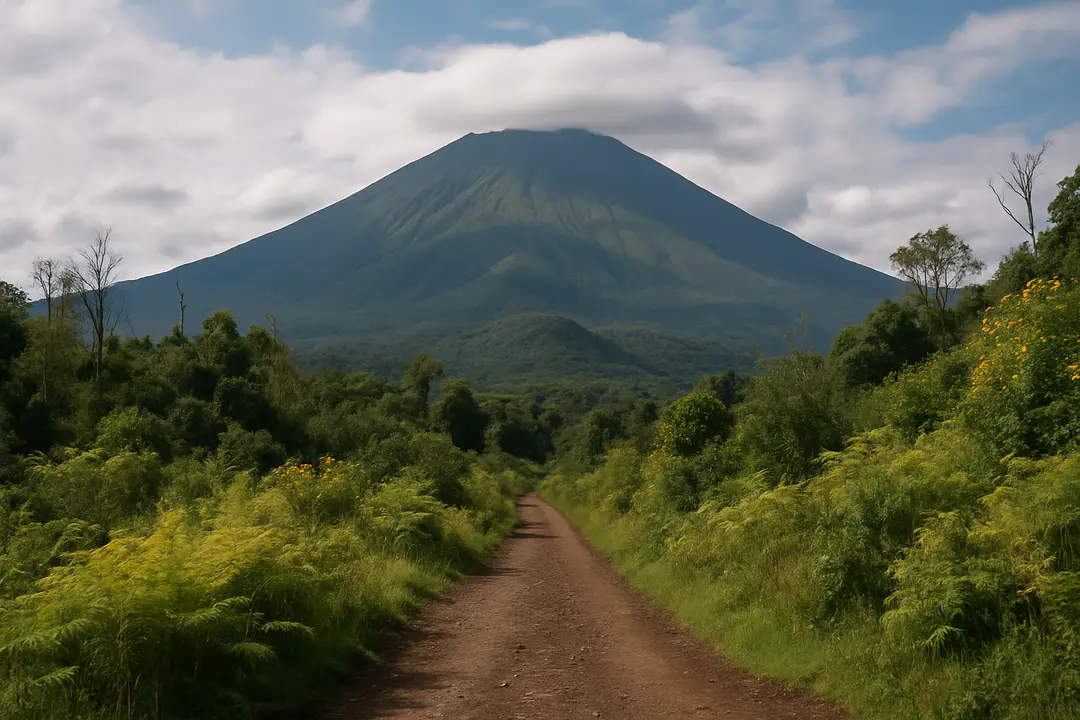

Mount Karisimbi is more than a tall volcano. It shapes local climate, biodiversity, and adventure culture in Rwanda and DR Congo. Yet many visitors focus on the trail and overlook the effects of high altitude on the body. Have you ever wondered how to prepare yourself for altitude sickness on Karisimbi?
Proper acclimatization and pacing can make your climb safer and more enjoyable. By learning about altitude, planning rest stages, and listening to your body, you can prevent headaches, fatigue, and serious illness. This knowledge lets you make smart choices on gear, schedule breaks, and enjoy stunning views without surprise health setbacks.
Geography and Formation
Mount Karisimbi stands at 4,507 meters, making it the highest of the eight Virunga volcanoes. It forms a massive conical shape of layered lava and ash. The summit ridge marks the border between Rwanda and the Democratic Republic of Congo. Guides often point out the old lava flows that shaped the west slope.
Geology matters because it affects route choices and trail conditions. Some parts can be loose volcanic rock. Hikers should carry a topographic map or reliable GPS device. Knowing ridge lines and steep sections helps you avoid unstable ground.
A practical tip is to review recent trail reports or local park updates. Volcanoes National Park rangers share notes on erosion or rockfall. This local insight keeps your trek smooth and reduces surprises.
Climate and Weather
Karisimbi has a harsh alpine climate above 3,500 meters. Daytime temperatures hover around 5°C to 10°C, while nights can drop below freezing. Rain falls heavily in two main seasons: March to May and October to November. Storms can blow in quickly, reducing visibility.
You can track rising winds and storms using geospatial analysis tools. A weather app or handheld anemometer helps you spot incoming fronts. Planning your summit push in the early morning reduces exposure to afternoon showers.
Always pack waterproof layers and test them before the trip. A light shell and overpants should keep you dry without overheating. Checking a reliable weather source on the eve of departure lets you adjust your schedule and pack list.
Flora and Fauna
The slopes of Karisimbi host diverse plant zones. Montane forest thrives up to 2,500 meters, then gives way to bamboo and heath. Above 3,200 meters you find alpine grasses and lichens. Each zone supports unique wildlife.
Birdwatchers may spot the Rwenzori turaco or the handsome francolin. Golden monkeys live in the upper forest, while buffalo and elephants roam lower slopes. Over 200 bird species have been recorded in Volcanoes National Park.
Practical tip: bring binoculars and insect repellent. Early morning hikes boost your chance to see shy animals. Remember to stay quietly at a distance and follow park guidelines.
Planning Your Hike
Successful climbs require careful gear choices and logistics. Start by booking accommodation at Kinigi or nearby lodges. Arrange transportation to the park gate early in the morning. Hiring a local guide is mandatory for safety and navigation.
You will need basic gear for cold, rain, and rocky terrain. Here is a quick packing list:
- Sturdy hiking boots
- Waterproof jacket and pants
- Warm mid-layer (fleece or down)
- Gloves, hat, and buff
- Headlamp with extra batteries
- Plenty of water and snacks
- First-aid kit
- Sunscreen and sunglasses
Don’t forget to install route planning apps before you go. These help track your position, altitude, and distance. Reviewing elevation profiles in advance sets realistic daily goals.
Safety and Permits
Climbing Karisimbi takes more than stamina. Proper permits and guides protect you and the environment. Below are the basic steps:
- Visit the Volcanoes National Park office in Kinigi.
- Complete a registration form with your personal details.
- Pay the park and guide fees at the counter.
- Receive a wristband and park receipt.
- Attend the mandatory mountain briefing.
After that, meet your guide at the trailhead. Carry your permit at all times. Guides know safe campsites, rest points, and first-aid protocols.
Always share your itinerary with lodge staff and check in at each camp. In case of emergency, rangers can mount a quick response. This level of planning gives peace of mind on remote slopes.
Conservation Efforts
Volcanoes National Park protects Karisimbi’s rich biodiversity. Park rangers patrol to prevent poaching and illegal wood harvesting. Research teams monitor changes in vegetation and wildlife populations. Their data helps shape conservation policy.
Communities around Kinigi rely on tourism for income. Local guides and porters gain jobs through sustainable trekking practices. Profits support schools, clinics, and forest restoration projects.
As a visitor, you can help by sticking to trails and carrying out all your waste. Using reusable water bottles and eco-friendly gear reduces plastic pollution. Small choices add up to a healthier mountain.
Supporting certified tour operators ensures that fees go back into the park. You’ll leave Karisimbi knowing you helped preserve it for future generations.
Conclusion
Climbing Mount Karisimbi is a rewarding challenge. With the right preparation on altitude, gear, permits, and safety, you can reach the summit without unwanted surprises. Weather changes fast, so pack for rain and cold. Respect the fragile ecosystems by following park rules and leaving no trace.
Your adventure not only tests your endurance but also supports local conservation and communities. By understanding geology, climate patterns, and wildlife, you’ll appreciate each step on the volcano’s slopes. Plan carefully, hire a guide, and embrace the journey. When you stand on the roof of the Virungas, you’ll know every detail you covered made that moment possible.


