
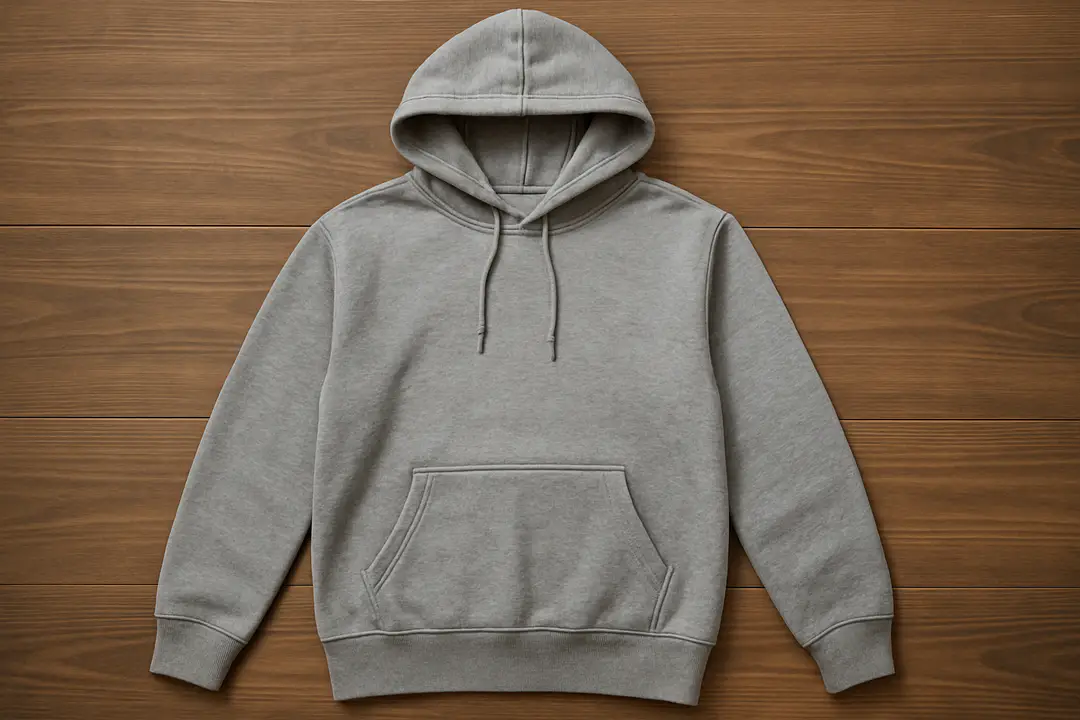

We all love throwing on a hoodie when the weather cools or we need a quick outfit fix. Yet most of us overlook the small details that make one hoodie feel premium while another feels cheap. One detail that often flies under the radar is the weight and weave of the fabric itself. It’s surprising how this hidden factor can affect warmth, drape, and durability. But how do you pick the right fabric weight for your needs?
Choosing the right fabric weight can transform your hoodie from just another piece of clothing into a versatile wardrobe staple. By understanding the grams per square meter (GSM) of different hoodies, you can match styles to seasons and activities. This knowledge helps you avoid hoodies that fade, stretch, or lose shape after a few washes. With the right basic insight, you’ll make more confident choices and sidestep annoying surprises.
History and Origins
Long before hoodies became a fashion statement, they started as a practical garment. In the 1930s, a sportswear brand introduced the first hooded sweatshirt to help workers stay warm in cold warehouses. It featured a thick cotton build and a simple hood without any fancy adjustments. Over time, athletes and outdoor workers embraced the piece for its blend of comfort and function. Tip: Seeking that vintage feel? Look for heavyweight cotton blends with a smooth inner lining—they last longer and soften uniquely with each wash.
In the decades that followed, hoodies found a new home in college libraries and track fields. Athletes used them to warm up and stay loose, while students covered late-night study sessions with the hood up. By the 1970s, they moved from the sidelines into mainstream culture. Suddenly, hoodies popped up on hip hop artists, film stars, and graffiti artists seeking an urban edge. This era cemented the hoodie as a symbol of both resistance and comfort.
Luxury labels took note in the 1990s and began adding designer flair and premium fabrics. Today, you’ll find versions with cashmere blends, moisture-wicking performance weaves, and even sustainable recycled fibers. Understanding these roots helps you appreciate why some hoodies can carry a premium price tag. Always weigh heritage and material when hunting for a statement piece.
Key design details evolved too. The kangaroo pocket arrived to keep hands warm or stash small items. Drawstrings on the hood gave wearers control over coverage and style. Zippered versions let people layer without pulling garments over their heads. Each tweak shaped the modern hoodie and opened doors for customization, from graphic prints to hidden pockets.
Now, you can choose hoodies that glow under UV light, have built-in earbud loops, or feature smart textiles that adapt to temperature. The journey from a utility piece to a tech accessory shows how far we’ve come. That same spirit drives brands today to innovate while staying true to a classic foundation.
Hoody vs Hoodie
Spelling debates pop up whenever we type the word for our favorite casual layer. Some write it with two o’s in the middle, calling it a “hoody,” while others stick to the “hoodie” form with -ie on the end. Both terms describe the same item, but usage varies by region and over time. To see which version you might encounter, here’s a simple breakdown:
| Spelling | Region |
|---|---|
| Hoodie | Global English |
| Hoody | Less common UK variant |
Pronunciation remains the same, despite the spelling switch. For those who dig deeper into these language puzzles, our post on pronunciation pitfalls shows how tiny errors ripple through speech and writing. Online searches for “hoody” have dipped in favor of “hoodie,” but both tags still yield similar style guides and shopping results.
If you are writing copy for an international audience or creating tags for an online store, stick with “hoodie” to match search trends. Yet if you spot a “hoody” on a vintage thrift find, you’re not seeing a different garment—just an alternate spelling. Knowing this quirk protects you from overthinking product tags or missing out on great deals in niche markets.
Choosing the Right Fabric
Fabric choice shapes everything from how warm your hoodie feels to how long it lasts. Cotton blends give softness, while synthetic fibers add stretch and moisture control. Some fabrics wick sweat, making them ideal for workouts, while others trap heat for chill days. Understanding key materials will help you pick a hoodie that matches your lifestyle. Always check the label for blend ratios and care symbols to avoid surprises at the laundry.
Heavyweight fleece, usually above 350 GSM, feels substantial and cozy. It works great in colder months or for layering under a jacket. Midweight options around 250–350 GSM strike a balance—they stay breathable on cool fall days without overheating on mild afternoons.
Lightweight hoodies below 250 GSM offer easy packing and a more casual drape. They feel airy and often come in stretchy, performance blends. If you plan to wear hoodies to the gym or during a run, look for polyester or nylon blends with spandex. These offer quick drying and retain shape after repeated use.
Beyond weight, consider inner lining. Brushed fleece gives a soft, pillowy feel, while terry cloth feels smoother against the skin. French terry hoodies wick moisture effectively, making them popular for low-intensity workouts. Tip: Try turning the hoodie inside out and rubbing your palm lightly against the fabric to test softness and texture.
Once you pick a fabric, follow proper care. Thrive fabric performance by washing in cold water and drying gently. When moving hoodies to the dryer (not drier), be mindful of heat settings to avoid shrinkage, see our guide on dryer vs drier for spelling tips. With the right fabric knowledge, you’ll end up with a hoodie that looks and feels great for years.
Styling Your Hoodie
A hoodie can blend into any style genre, from streetwear to smart casual. You just need the right pairing and fit. Here are practical ways to style your hoodie across different settings.
- Layer Under a Blazer: Pair a slim-fit hoodie under a tailored blazer for a modern business casual look. Stick to neutral colors and slim cuts to maintain a clean silhouette.
- Classic Jeans Combo: Match your favorite hoodie with well-fitted jeans. Dark denim and a crisp white hoodie make a timeless, easy outfit for weekends or social outings.
- Sporty Athleisure: Team a technical fabric hoodie with joggers or cycling shorts. Add clean sneakers and a cap to nail that polished gym-meets-street aesthetic.
- Monochrome Minimalist: Go head-to-toe in similar tones for a sleek, uniform vibe. Shades of gray, black, or beige create an understated but stylish statement.
- Pop of Color: Use your hoodie as the focal point by wearing bright hues or bold prints. Keep the rest of your outfit simple, letting the hoodie speak for itself.
Don’t forget accessories. Layer on a watch, simple necklace, or cap to elevate the look. A clean backpack or crossbody bag can tie together casual outfits. Tip: Choose one statement piece per outfit to avoid a cluttered appearance and keep the focus on your hoodie’s design.
Care and Maintenance
Proper care ensures your hoodie retains shape, color, and softness. Always read the care label before tossing it in the wash.
Sort by color and fabric. Heavyweight cotton hoodies can release lint, so wash them separately the first few times. Use cold water to minimize fading and fiber breakdown.
Choose a gentle cycle and mild detergent. Avoid using bleach or harsh chemicals, which can weaken fibers and ruin dye. Turn the hoodie inside out to protect prints and embellishments.
Dry with care. Air drying on a flat surface maintains shape best. If you must use a machine dryer, pick a low-heat setting and remove the hoodie while it’s slightly damp to prevent over-drying.
Store smartly. Fold hoodies neatly instead of hanging to avoid stretching shoulder seams. Lay heavier hoodies at the bottom of the stack. For seasonal storage, consider breathable garment bags to keep moths away and allow air circulation.
Buying Checklist
When shopping for a hoodie, keep these key points in mind to ensure you get both style and longevity:
- Material Quality: Examine the fabric blend and finish. Look for dense weaves and minimal pilling in reviews or samples.
- GSM Rating: Check the grams per square meter (GSM) if available. Higher GSM means a heavier, warmer hoodie but may feel bulky.
- Fit and Cut: Decide on slim, regular, or oversized fits based on your body type and personal style. Try on different sizes to see shoulder and sleeve length.
- Stitching Details: Inspect seams around cuffs, hem, and hood. Tight and even stitching ensures better durability and less fraying.
- Hood Construction: Check the shape and depth of the hood. A properly shaped hood sits well on your head and offers good coverage.
- Pocket Style: Kangaroo pockets are classic, but zippered pockets offer security for small items. Choose based on daily needs.
- Brand Reputation: Read customer reviews and return policies. Brands known for quality often back their hoodies with good care guides and warranties.
Don’t skip trying different washes or finishes such as pigment-dye or enzyme washed options. These treatments can add character but may change the fit slightly. Always try on a washed sample or read notes on shrinkage and colorfastness before ordering.
Conclusion
From its utilitarian roots in 1930s factories to its status as a fashion staple, the hoodie has come a long way. Whether you spell it ‘hoodie’ or ‘hoody,’ the core appeal remains the same: comfort and versatility in one piece. By diving into fabric weights, styles, and care methods, you can confidently choose hoodies that suit your day-to-day life.
Knowing the subtle differences in spelling and pronunciation helps you navigate product listings with ease and avoid any confusion. Taking time to inspect materials and follow proper laundering practices will keep your hoodie looking fresh wash after wash. And by applying simple styling tips, you can transform this casual essential into outfits for nearly any occasion. Next time you’re shopping or organizing your wardrobe, let these insights guide you. With a bit of knowledge and attention, your hoodie game will stay strong for seasons to come.


