
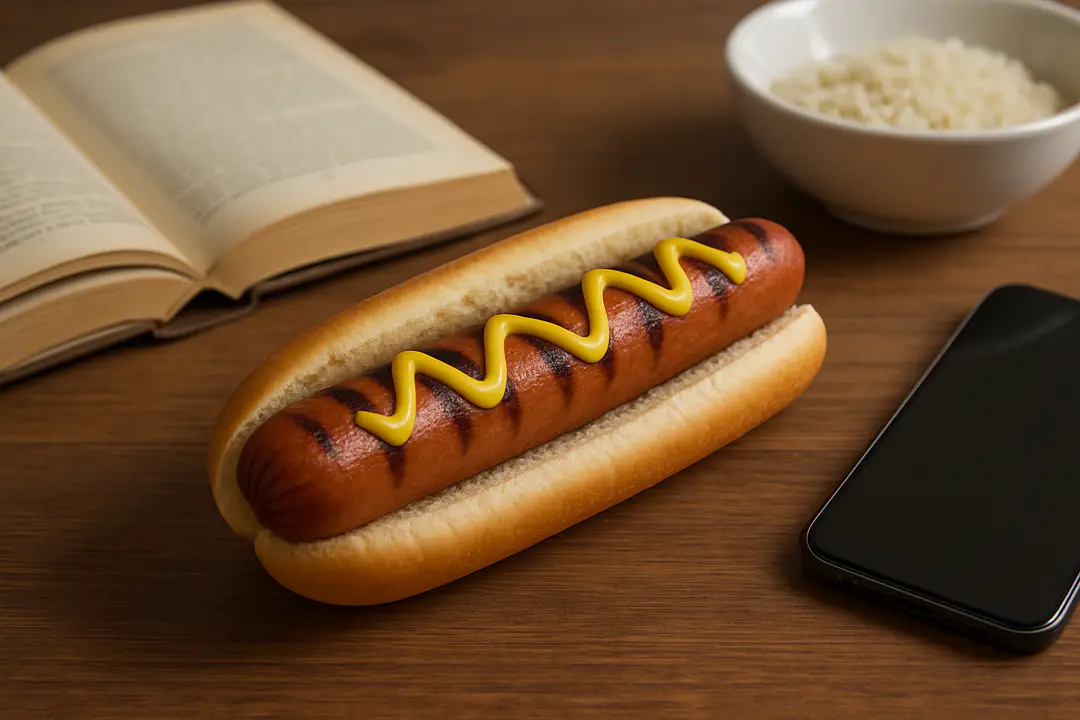

Glizzy has become a staple in slang and food culture for fans of quick bites across the U.S. Behind the easy use of this catchy word lies an interesting shift in meaning. For many, glizzy is just a fun way to say ‘hot dog’ at a barbecue or in a meme. The overlooked twist is how it moved from referring to something serious to something playful. Have you ever wondered how a slang term can flip roles so completely?
Originally, glizzy tagged something serious, then BBQ lovers reclaimed it for frankfurters. Knowing that journey helps you use glizzy in the right way. You can drop the word in casual chats with confidence or avoid it when it might confuse. This insight lets you join memes and menus without missing context. Understanding glizzy’s background means you’ll never wonder ‘did I get that wrong?’ again.
Slang and Origins
Glizzy first showed up in street slang around Washington, D.C. It began as a code word among local groups. Back then, it referred to a long firearm. People used it in whispers to avoid detection. Over time, that meaning faded.
Then something changed with the word’s life. Social media users snatched glizzy and paired it with hot dog memes. Food stands saw the joke and spread it further. Suddenly, ordering a glizzy made sense at lunch trucks. The shift gave the term a friendly twist.
This kind of change highlights how fast slang moves. When one group reclaims a word, it often gains new life. Similar terms like BSF or down bad show that pattern. You watch, share, and soon the term is everywhere. It’s a fascinating cycle.
Dictionaries and urban glossaries now track glizzy next to frankfurter. That recognition helps serious students of language. If you study these guides, you spot regional twists early. For instance, some places still lean on the original gun sense. Context clues will guide your understanding.
Practically, you can use glizzy to sound in tune with pop culture. Drop it when talking about hot dogs with friends. Mix it into captions or tweets to add flavor. Just make sure your crowd knows you mean food, not weapon. Clarity keeps the joke alive.
Understanding this origin story ties back to our main goal. You’ll feel confident dropping glizzy into casual chat. The next section will show how different regions play with the word. Stay tuned for how glizzy wears many hats across cities.
Regional Variations
While glizzy now generally means hot dog, its use varies by region. Different cities add their own flair to the same slang. You might hear a glizzy described with extra adjectives or in a local accent. That local twist often shapes how the term feels in conversation. Tracking these changes can be fun and eye-opening.
In Washington, D.C., glizzy still carries a bit of its original edge. Some older speakers will wink at you when they mention a glizzy. It’s a nod to the word’s past weapon reference. At food trucks, they’ll serve you a glizzy platter with fries. The context there feels more playful than serious.
Head north to New York City, and glizzy picks up energy from street culture. Vendors shout the term with pride at busy corner stands. It leans into the fast-paced vibe of subway riders. You’ll also see memes tagging glizzys in videos of crowded carts. That sense of hustle gives the word fresh life.
In the South, especially in Texas, you might hear a glizzy at a backyard cookout. Here, people mix it up with chili and cheese. The slang feels warm and homey when paired with family gatherings. You’ll find it in social media posts about barbecue too. That friendly sense contrasts sharply with the word’s early days.
Finally, you can track these local spins in online glossaries and apps. Some language tools even let users add regional tags. Keeping notes on where you hear glizzy adds depth to your slang study. Next time you chat, you can surprise friends with your knowledge. This prepares you for the term’s social media journey in the next section.
Social Media Growth
Glizzy’s rise owes much to online sharing. Platforms like TikTok and Twitter turned simple jokes into viral trends. Users post clips of eating glizzys with dramatic flair and catchy music. Those moments get thousands of likes and tweets. The excitement spreads quickly across feeds.
Memes featuring glizzy challenges ramp up the energy. People dare each other to eat three glizzys at once. That kind of stunt fuels shares and reactions. It also creates follow-up clips of who can really handle the heat. This cycle keeps glizzy in the spotlight.
You’ll often spot glizzy tagged alongside other viral slang. For instance, trends like Negative Ghost Rider show how quick terms can appear and disappear. By studying these patterns, you predict which slang will stick around. You can even jump in early and set your own trend. Staying aware makes your posts feel fresh.
Brands have joined the fun too. Some fast food chains teased special glizzy meals on Instagram. That crossover shows how slang can shape marketing campaigns. When a term reaches that level, it’s officially part of pop culture. Watching corporate use gives you insight into wider acceptance.
To join the conversation, use glizzy in relevant hashtags. If you add a dash of humor, your post may catch on. Track the top-performing tags and copy the style. Over time, you’ll learn which tone lands best. This hands-on method boosts your social media savvy.
Cooking Hot Dogs
Even if you know glizzy means hot dog, you still need a good recipe. A well-prepared glizzy can elevate any gathering. Simple steps help you cook a juicier sausage with a crisp skin. You’ll impress friends and family alike.
Follow this quick method:
- Choose Quality Meat: Look for hot dogs with real beef or pork, not fillers.
- Prep the Grill or Pan: Heat to medium and oil grates lightly to avoid sticking.
- Score the Skin: Lightly slice the hot dog surface to let steam escape and add texture.
- Cook Evenly: Rotate every two minutes for about eight minutes total until golden brown.
- Warm the Bun: Toast or steam buns briefly for extra softness and warmth.
Pro tips boost your game. Always keep the grill lid slightly closed to trap heat. Avoid overcrowding the pan so each glizzy gets even air flow. Use a meat thermometer; aim for 140°F inside to ensure safe cooking. These small moves make a big difference.
Once your glizzy is cooked, it’s time to dress it up. Traditional toppings include yellow mustard, ketchup, and diced onions. You can also go bold with chili, shredded cheese, or sauerkraut for a richer taste. Mix and match to find your favorite combo.
Don’t forget the side dish. Serve your glizzys with crispy fries, coleslaw, or a pickle spear. A simple salad or chips keep the meal balanced. Presentation matters, so arrange your glizzys neatly on a platter. That final touch makes your dish pop.
With this guide, cooking a glizzy feels easy and fun. You’ll avoid dry sausages or scorched skins. Soon, you’ll master this quick cookout classic. Now, shift your focus to how glizzy appears in music and film in the next section.
Cultural References
Glizzy isn’t just food slang; it pops up in music and film too. A few rap artists dropped glizzy lines to hype up street food scenes. On screen, characters order glizzys to show their local roots. These moments help cement the term in popular culture. You start to recognize it in places you wouldn’t expect.
In television, some series use glizzy as a nod to urban life. When a character mentions grabbing a glizzy from a corner stand, it signals authenticity. Fans pick up on these cues and spread them online. That ripple effect brings the slang to new audiences. Soon, major brands notice and take note.
Video games and streaming shows also adopt glizzy to spice dialogue. NPCs in certain indie games will mock you by asking if you want a glizzy with that. That playful jab makes the gaming scene feel more real. Viewers share clips to highlight these cultural easter eggs. It shows how a simple slang term can cross media types.
Memes combine glizzy with other trending themes in clever ways. You might see mashups like “glizzy gobbler” for Thanksgiving jokes. Seasonal twists keep the term alive year-round. That kind of creativity is a win for slang lovers. It also sparks new ways to use the word.
Avoiding Slang Mistakes
Even slang fans can stumble when using glizzy. Misunderstanding context can lead to awkward moments. You might confuse someone who thinks you mean something else. That misstep could break the flow of a conversation. Let’s cover key errors to avoid.
First, don’t use glizzy in formal settings. Unless you work at a hot dog festival, skip slang in office emails or reports. Stick to standard terms like “hot dog” or “sausage.” This ensures clarity and avoids unprofessional tone. Save glizzy for casual chat.
Second, watch your audience. If listeners are not into internet culture, an unexplained glizzy mention can confuse. Follow up with a quick explanation if needed. For example, say “glizzy, a slang word for hot dog.” This tip keeps everyone on the same page. It also shows respect for varied backgrounds.
Finally, avoid mixing too many slang terms at once. Combining glizzy with obscure acronyms or jargon may overwhelm listeners. Choose one or two familiar terms per sentence. That approach makes speech more digestible. You’ll maintain style without muddling the message.
By steering clear of these pitfalls, you’ll use glizzy confidently. Practice in low-stakes settings like group chats or social posts. Over time, you’ll develop a natural rhythm. That skill lets you enjoy slang while keeping communication smooth.
Conclusion
Glizzy meaning has traveled a long way from a secret code to a pop culture staple. By digging into its origins, regional twists, and social media rise, you now have a clear picture of the term. You also learned cooking tips to turn that slang into a tasty meal and saw how it appears in music, film, and memes.
Understanding the dos and don’ts helps you use glizzy with confidence. You can avoid missteps and fit slang into everyday talk smoothly. Armed with this guide, you’ll know when to drop glizzy in a chat or skip it for formal talk.
Keep exploring how language evolves and don’t be surprised when new slang emerges. Stay curious, watch trends, and practice smart posting. Next time you bite into a hot dog, you’ll see it not just as food but as part of a wider cultural story. Enjoy your glizzy journey!