
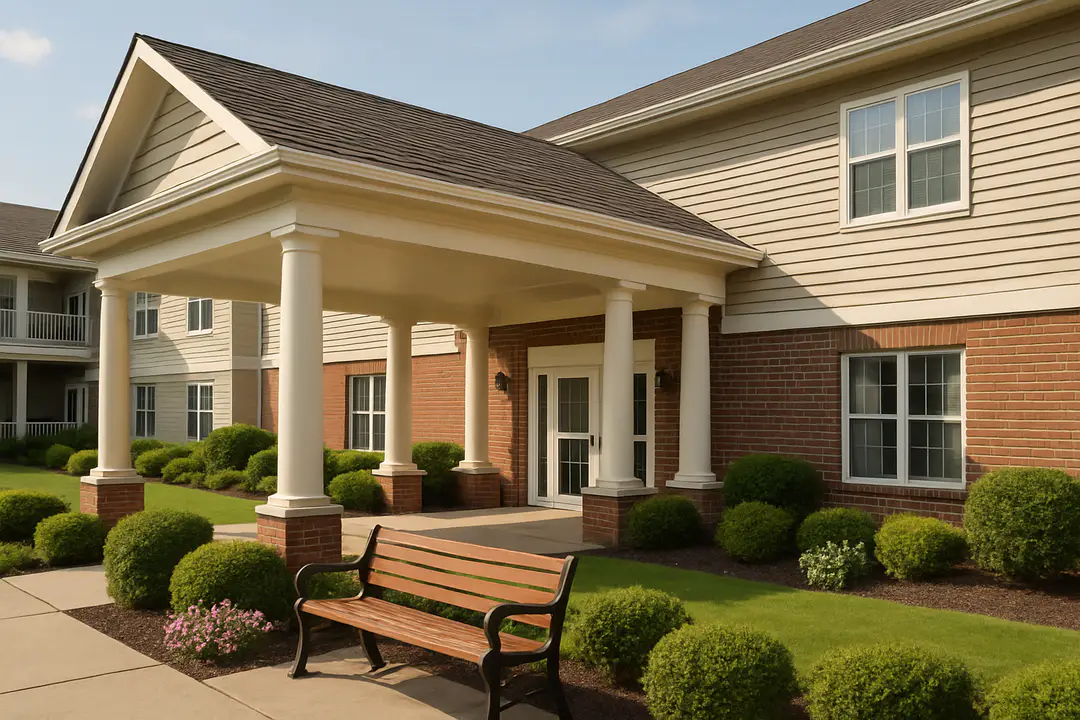

When looking at where to spend your golden years, the type of community you choose can deeply shape daily life and peace of mind. Yet, many overlook how the hidden culture and daily rhythms differ across senior living, retirement, assisted-living, and continuing care options. How can you truly understand which setting fits your lifestyle and long-term needs?
By unpacking the subtle differences—from resident activities to care transitions—you gain clarity on what to look for. Understanding this aspect helps avoid unexpected costs, ensures a smooth move, and empowers you to choose a community that feels like home.
Choosing the Right Community
Finding the best fit starts with defining your priorities. Do you want an active social scene, easy medical access, or quiet solitude? Make a list of “must-haves” and “nice-to-haves.” Visiting different models—independent living, assisted-living, or continuing care—can reveal what daily life really feels like.
Ask residents about day-to-day routines. This simple conversation often uncovers unadvertised details, like popular clubs or peak dining times. Also, look at how the community handles care transitions—will you stay in place if needs change, or face a move? This insight prevents surprises down the road.
Finally, tour at least three communities and keep notes. Compare amenities, meal quality, and staff warmth. If you’re also thinking about diversifying retirement portfolios, consider the financial flexibility each option offers. A thorough research phase pays off in finding a community that matches both heart and budget.
Cost Considerations
Retirement communities come in a wide price range. Independent living might start at $2,000 a month, while assisted-living or continuing care can exceed $6,000. Look beyond sticker rates. Ask about extra fees for utilities, activities, or care increases. A clear fee schedule avoids budget strain.
Consider entry fees—some communities require a large up-front payment, often refundable upon exit. Others use monthly rent with no refund. Decide which aligns with your financial goals. A refundable model can protect estate value, while rental setups avoid large cash outlays.
Another factor is insurance. Long-term care policies can cover assisted-living costs, but they vary widely. Also, don’t forget home coverage if you plan to downsize. Reviewing home insurance options before selling can save unexpected costs and ensure your belongings remain protected.
Assisted Living Services
Assisted-living blends independence with help for daily tasks. Common support includes medication management, mobility assistance, meal prep, and housekeeping. The best communities tailor plans to each resident, updating care as needs change.
Look for licensed nursing staff on-site and ask about their hours. Some communities offer 24/7 care, while others schedule nurses during the day. Staff ratios matter—a lower resident-to-staff count means more attentive service.
Check extra services like on-site physical therapy or regular wellness checks. Robust activity programs help with mental health and social interaction. Practical tip: bring a friend on your tour to ask questions you might miss when focused on details.
Continuing Care Options
Continuing care communities (CCRCs) provide multiple care levels on one campus. You can move from independent living to assisted-living or memory care without relocating again. This model offers stability but often comes with higher entry fees.
Comparing options side by side can help. Below is a simple breakdown of typical care levels and costs:
| Care Level | Starting Cost | Services Included |
|---|---|---|
| Independent Living | $2,500/mo | Housing, meals, social programs |
| Assisted Living | $4,000/mo | Daily care, meds, housekeeping |
| Memory Care | $5,500/mo | Specialized dementia support |
Tip: Ask how price increases are capped annually. A predictable rate hike keeps budgets safe over time.
Top Rated Communities
These communities earn high marks for service, amenities, and resident satisfaction:
- The Villages, Florida
- Mather, Illinois
- Harbor Retirement, California
- Holiday Springs, Florida
- Brookdale Senior Living, Multiple States
- Sunrise Senior Living, Nationwide
- Acton Estates, Massachusetts
- Trinity Services, Texas
- Delmanor, Ontario (close to U.S. border)
- Vi at La Jolla, California
Plan visits during meal times and activities. Seeing residents interact in real scenarios reveals the true spirit of each location.
Planning Finances
Retirement budgets must cover housing, healthcare, and leisure. Start by projecting monthly expenses, then add a 10% buffer for unexpected costs. If you haven’t explored investment strategies, now is the time to revisit your mix of stocks, bonds, and cash.
Consider meeting a financial planner who specializes in senior transitions. They can align your goals with your care plan and help maximize benefits like pensions or Social Security. Keep all documents organized—wills, powers of attorney, and insurance policies become critical later.
Tip: Look for communities offering financial counseling for residents. These workshops often cover tax implications and estate planning, ensuring you and your family stay informed.
Conclusion
Choosing the right senior living community is both personal and practical. By understanding key differences—from costs and care levels to community culture—you can make decisions that boost confidence and well-being. Use detailed tours, resident feedback, and clear financial planning to guide your path.
Remember to ask honest questions about hidden fees, care transitions, and daily life. A well-researched choice reduces stress and enhances quality of life. With the right information, you can find a place that feels like home now and grows with your needs in the years ahead.


