
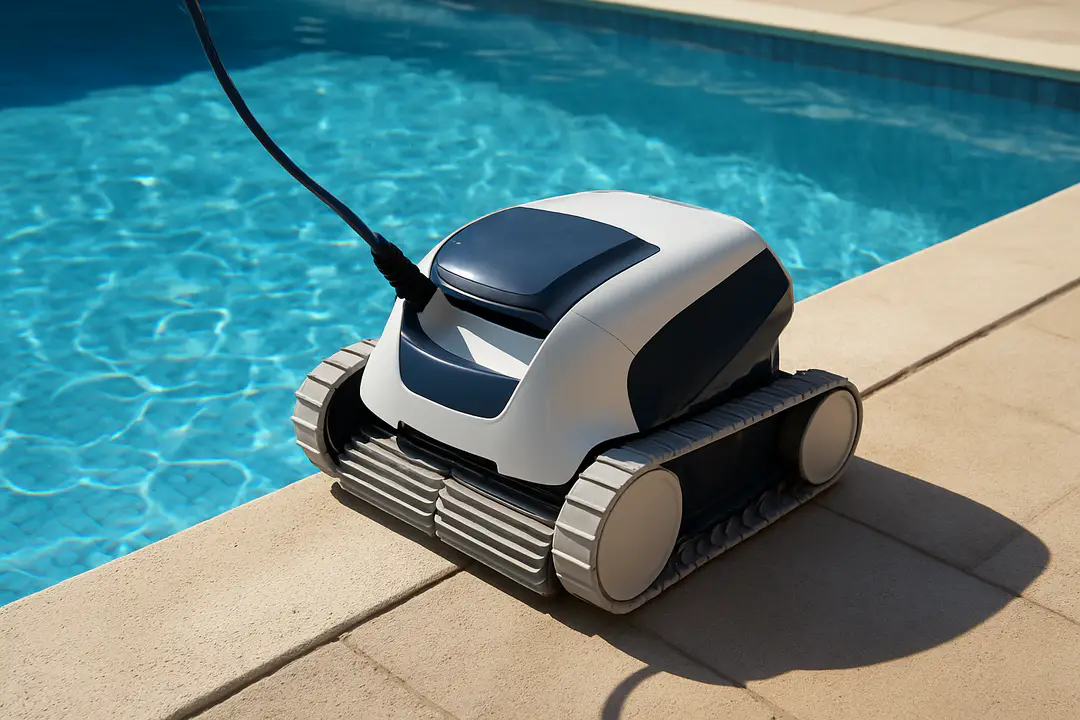

Keeping your pool clean is more than a chore; it can be a key part of enjoying summer days with family and friends. Many pool owners focus on the suction power or the type of brushes when picking a robotic cleaner. Yet one often overlooked element is the filter design and how it handles fine debris. This detail can make the difference between crystal clear water and constant maintenance headaches. Have you ever wondered why the filter choice matters as much as the robot’s motor?
Filter design affects how often you need to empty debris and how well the cleaner captures leaves, sand, or algae. By understanding different filter options—such as fine mesh cartridges or cyclonic systems—you can choose a robot that suits your pool’s specific needs. This knowledge helps you save time on cleaning and avoid surprise clogging right when you plan to swim. Armed with this insight, you can make confident decisions and keep your pool sparkling all season long.
Why Use Robots
Most people start with a net or manual vacuum to clean their pool. It takes time and can be hard on your back. A robot pool cleaner automates that work. It runs on its own on a set schedule.
Robotic cleaners use less energy than a pump-driven system. They connect to your pool’s power outlet and use low voltage motors. You get strong suction without high running costs.
Modern models offer smart navigation and sensors. They map the pool floor to avoid obstacles and cover every corner. You can even control them via a smartphone app. For more on how home robotics is evolving, check emerging trends on emergingtechs-net.
Not only do robots save time, they clean more consistently. You avoid algae build up and water cloudiness. That means healthier water and less chemical use. Over time, you protect both your pool and your budget.
Key Features to Check
When you shop for a robot cleaner, focus on these core features:
- Filter Type: Fine mesh, bag, or cyclonic. Each captures debris differently.
- Brush System: PVC brushes for smooth surfaces, stronger bristles for rough tiles.
- Navigation: Random pattern or smart mapping. Smart mapping usually cleans faster.
- Cord Length: Ensure the cable reaches across your pool without straining.
Tech updates keep evolving; you can follow pool robotics breakthroughs on innovation news outlets.
Another factor is cycle time. Some robots finish a clean in under two hours. Others take up to five. Balance speed and thoroughness. Also look at whether the cleaner climbs walls or only handles the floor.
Warranty and support matter too. A two-year warranty is common. Check if the company offers local service or community forums. This can save you hassle if you need replacement parts.
Choosing by Pool Type
Your pool’s shape and surface play a big role in finding the right robot. Here is a simple guide:
| Pool Surface | Recommended Model | Key Feature |
|---|---|---|
| Vinyl or Fiberglass | Model A | Soft brushes |
| Plaster or Concrete | Model B | Strong bristles |
| Tile or Pebble | Model C | Dual scrubbing brushes |
| Irregular Shape | Model D | Smart mapping |
Model A and B are budget friendly and cover basic cleaning. Model C excels at stains and algae on hard surfaces. Model D handles unique layouts. Always check the maximum pool length and depth the robot can manage.
Consider extra tools too. Some models come with remote controls for spot cleaning. Others offer a cleaning mode for the waterline. These add real value if your pool has high use or hard-to-reach spots.
Maintenance Best Practices
After each cycle, remove and rinse the filter. This prevents clogging and keeps suction high. If you see fine dirt, swap to a finer mesh cartridge.
Inspect brushes weekly. Worn bristles can leave a film on pool surfaces. Replace brush cartridges as recommended by the maker. This ensures the cleaning action stays strong.
Check the cord and wheels for tangles or damage. Debris can wrap around them and slow the robot. A quick untangle takes just a minute and cuts repair costs.
Store the robot under shade and away from chemicals. Harsh sun and pool chemicals can degrade plastic parts. Keep it in a cool, dry spot when not in use.
Cost vs Value
Entry level robots start around $300. Mid-range options cost $500 to $800. High-end models can exceed $1,000. You get faster cleaning and more features as cost rises.
To decide value, weigh the run time against pool size. A $300 model may work fine on a small pool. For larger pools, a mid-range cleaner with longer cord and bigger filter is worth the extra cost.
Look at energy savings too. Many robots use just 60 watts per hour. Compare that to a pump-driven system that draws over 1,000 watts. Over a season, robot cleaners can cut your pool’s energy bill by half.
Finally, factor in labor saved. If you spend hours cleaning, that time has value. A reliable robot frees you for family time, hobbies, or rest. That peace of mind counts for a lot.
Installation Steps
Follow these simple steps to set up your robot cleaner:
- Place the robot at pool edge and feed cord into water until fully submerged.
- Connect the cord to the power supply unit and plug into an outlet.
- Select the desired cleaning cycle on the control panel or app.
- Start the cycle and let the robot move freely. Avoid pulling the cord while it runs.
- Once done, switch off power, pull the cord in slowly, and remove the robot.
- Empty the filter and rinse any parts that look dirty.
- Store the robot in a shaded area away from direct sunlight.
This setup takes less than five minutes. After the first run, you can adjust timing and cycle type for best performance.
Conclusion
Robot pool cleaners have changed the way we keep our water safe and clear. By focusing on filter design, brush types, and smart navigation, you set yourself up for stress-free maintenance. Tailoring your choice to pool surface and size ensures the best fit. Regular checks and simple care routines extend the life of your investment. As you weigh cost against long-term savings, remember that free time and clean water deliver real value.
With the right model, finishing a cleaning cycle hands off your chores and gives you peace of mind. Now that you know what to look for, pick a machine that matches your pool’s needs. You’ll enjoy more swim days and fewer work days. Dive into a worry-free season and let technology handle the dirty work.


