
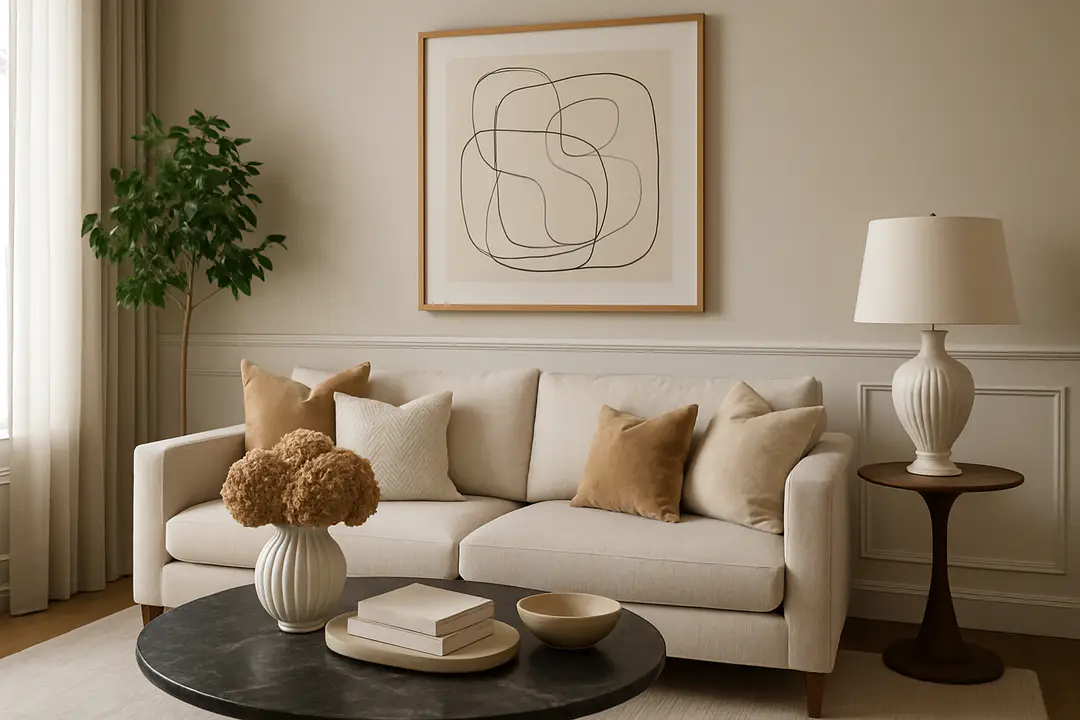

Luxury interiors set a scene that feels welcoming yet grand. Many people focus on furniture and finishes, but they often downplay the power of flow in a room. How can a space look opulent but still feel effortless and lived in?
Understanding how people move and interact with furniture solves this dilemma. When you design with flow in mind, you prevent awkward layouts and wasted corners. This knowledge helps you make informed choices and avoid costly redesigns down the line.
Foundations of Luxury
A truly luxurious interior starts with a solid foundation. Think of your space as a story and the floor plan as its first chapter. It needs to guide visitors naturally from one area to another.
Start by identifying key zones: lounging, dining, work, and display. Each zone must serve its function without crowding the next. You can use rugs or furniture groupings to define areas.
Balance is essential. Mix large statement pieces with smaller accents. When a grand sofa sits opposite a slim console table, the visual tension feels intentional. This contrast creates rhythm.
Tie the zones together with a consistent color scheme or material palette. If you choose warm wood tones in the living area, repeat them in cabinetry or shelving elsewhere. The continuity makes the whole layout feel coherent.
Finally, give each zone breathing room. Avoid pushing items right to the wall or tucking seating in dead corners. A few extra inches of space can make a room feel open and inviting rather than cramped and cluttered.
Color and Material Choice
Choosing the right materials and color palette can turn a plain room into a luxurious retreat. The trick is to mix textures and tones in a way that feels layered, not chaotic.
Here is a quick comparison of popular high-end materials:
| Material | Pros | Cons |
|---|---|---|
| Marble | Elegant, durable, timeless | Cold to touch, porous |
| Velvet | Rich look, soft feel | Shows marks, hard to clean |
| Brass | Warm glow, versatile | Tarnishes over time |
When picking colors, start with a neutral base. Shades like taupe, gray, or cream let your accents shine. Then add depth with darker hues on trims or a feature wall. Finish with a few bold accents like a jewel-toned pillow or metallic lamp.
Practical tip: always test paint and fabric samples in the room’s lighting. Natural and artificial lights can change a shade dramatically.
Lighting to Set Mood
Good lighting makes every material pop and every corner glow. Layering light sources creates flexibility for day and night.
- Ambient lighting: general overhead fixtures or recessed lights.
- Task lighting: desk lamps, reading sconces, or under-cabinet lights.
- Accent lighting: spotlights on artwork, LED strips under shelves.
- Decorative lighting: chandeliers, pendant lamps, or artistic fixtures.
Here are some tips to refine your lighting plan:
Place dimmers on all main lights. A simple wall dimmer gives you control without changing fixtures. Mix warm and cool LEDs depending on the mood you want. Warm bulbs feel cozy at night, while cooler tones help focus during the day.
Remember to layer with natural light. Install sheer curtains or blinds that filter sunlight without blocking it completely. This way you get brightness and privacy at once.
Furniture Layout Tips
After nailing the bones of a room, you must arrange furniture for comfort and conversation. A good layout feels natural and makes the most of the space.
- Measure first. Never guess distances or assume a couch fits. Write down exact dimensions.
- Draw a plan. Use simple grid paper or a free online tool to map out furniture placement.
- Anchor the space. Center a rug or coffee table to create a focal point and work around it.
- Allow six feet of clearance for major walkways. This prevents traffic jams in busy areas.
- Balance opposing pieces. If you have a heavy armchair on one side, offset it with a tall plant or slender console on the other.
These steps help you avoid wasted space or awkward gaps. Testing the layout with cardboard cutouts or lightweight placeholders saves time and effort.
Sourcing Unique Pieces
Filled with personal stories, a luxury space should also showcase rare finds and custom items. Scouring local artisan markets or online auctions can pay off.
Look for brands that blend heritage with innovation. One established company with a deep design legacy offers tailored lighting and furniture lines to suit diverse tastes inspired by decades of craftsmanship. Their collections bring history into modern homes.
Travel can spark fresh ideas. A stay in a Provence villa leads to soft lavender tones and sun-bleached wood accents. You can bring that charm home by mixing stoneware pottery with linen fabrics drawn from classic villa inspirations.
Finally, collaborate with makers. Custom upholstery or bespoke cabinets let you choose dimensions and materials. Although custom projects take longer, the one-of-a-kind result elevates your space and often adds lasting value.
Conclusion
Designing a luxury interior is more than picking high-end finishes. It starts with a clear plan so flow and function complement beauty. By choosing materials carefully, layering light, and arranging furniture thoughtfully, you set the stage for a refined experience every day.
When you bring in unique finds or custom pieces, you add charm and depth that off-the-shelf items cannot match. Keep testing samples, measuring twice, and letting inspiration guide your choices. The result is a home that feels both grand and welcoming, reflecting your taste without sacrificing comfort.
Take these insights into your next project, and watch as your space transforms into a retreat where luxury lives in every detail.


